
 EN
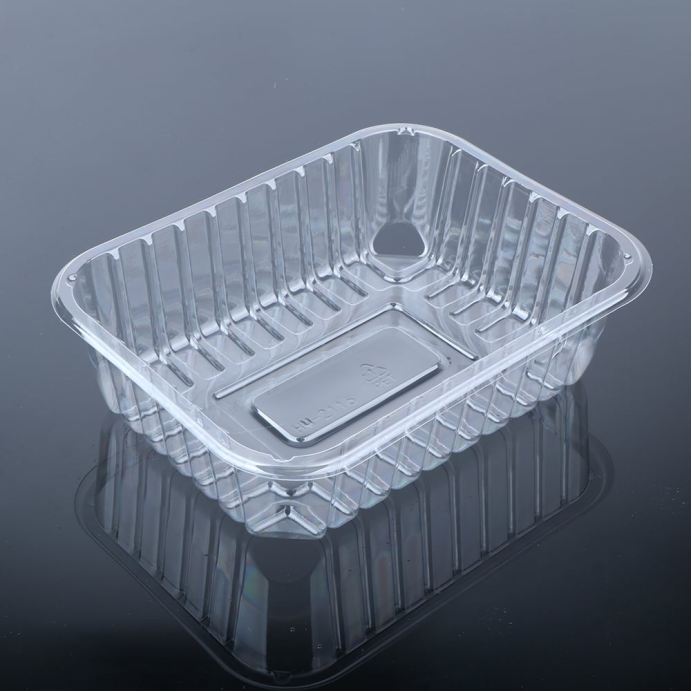
A Recall Scare That Started With a Tray
A MAP meat packaging system is only as safe as the materials and process behind it, and that point became clear for one mid-size processor after a retailer questioned a tray. The pack looked fine, yet the buyer asked for food-contact proof and the processor could not produce it quickly. The incident showed how easily MAP meat packaging trust collapses without paperwork. Since then, the team treats compliance as a core spec, not a footnote. That shift changed how the plant qualifies every new component and every new supplier it brings on board during the year.
The processor realized that MAP meat packaging involves a tray, a film, and a gas mix, and each part must meet food-contact rules. A weak link in any component can void the safety claim. The lesson spread through the plant: every lot of MAP meat packaging should ship with verifiable evidence, not with assumptions carried from a past supplier relationship.
What the Processor Found During the Review
During the review, the processor discovered the tray resin grade was documented but the FDA 21 CFR 177 test was outdated. The film supplier had changed a coating without notice, and the MAP meat packaging no longer had a current migration report. The team pulled samples and ran a fresh test, which passed, but the gap had already shaken the retailer's confidence in the MAP meat packaging program.
The processor then required current certificates from every component maker and added incoming checks. A MAP meat packaging line that logs each resin lot and film batch is easier to defend during an audit. The review turned a near miss into a stronger system, and the retailer later renewed the contract after seeing the documented MAP meat packaging controls in place. The plant also trained receivers to flag any pack that looked off, which closed the loop between the dock and the quality file.
Risks of Assuming Compliance
Assuming compliance is the quiet risk in MAP meat packaging. A buyer who trusts a verbal claim may discover at customs that the tray lacks FDA 21 CFR 177 evidence. A film coating change made without notice can invalidate the MAP meat packaging safety file. These gaps are expensive because a held container or a rejected retail lot costs far more than a careful document review. The cost shows up not only in the blocked goods but also in the lost shelf slot that a competitor fills while the dispute is resolved.
Another risk is mixing components from makers that do not share data. A MAP meat packaging pack built from an untested tray and film combination has no single owner of the safety claim. The buyer should demand a coherent evidence set for the full MAP meat packaging assembly, so responsibility is clear if a question ever arises during an inspection or a customer complaint.
How MAP Meat Packaging Stays Safe
A MAP meat packaging pack stays safe through controlled materials, a reliable seal, and an unbroken cold chain. The tray and film must be food grade, the seal must lock the gas in, and the temperature must stay low from plant to shelf. A MAP meat packaging failure in any one of these areas shortens life and raises risk. Each control depends on the others, so a weak link in one place can undo the others even when the rest look correct on paper.
The MAP meat packaging design also depends on the cut and the target shelf life. A longer window needs a tighter seal and a more stable gas mix. The buyer should specify these needs clearly so the supplier engineers the MAP meat packaging around them rather than shipping a generic solution that may underperform in the retailer's case.
Gas, Film, and Tray Interaction
The gas mix in MAP meat packaging balances oxygen, carbon dioxide, and nitrogen to hold color and limit bacteria. The film controls gas transmission, and the tray provides the sealing surface. A MAP meat packaging pack fails when the tray rim is not flat, because the film cannot bond and the gas escapes. Flatness and clean edges are therefore safety features, not just cosmetic ones. The same logic applies to the lidding film, which must be matched to the tray's neck and to the gas ratio the pack is designed around.
A modified atmosphere packaging setup links every component, so changing the film without retesting the tray risks a leak. The buyer should ask the supplier to confirm compatibility for the specific MAP meat packaging grade and to share seal-strength guidance. Treating the tray, film, and gas as one system keeps the pack safe and stable through distribution.
Temperature and the Cold Chain
Temperature is the silent partner of MAP meat packaging. Even a perfect pack spoils if the cold chain breaks, because bacteria grow once the meat warms. A MAP meat packaging program should include temperature logging from the plant to the shelf, with alerts for excursions. The tray and film do their job only when the product stays within the designed chill range. Logging also creates a record the buyer can show a retailer or an inspector, which turns a hidden risk into a managed one that is easy to defend.
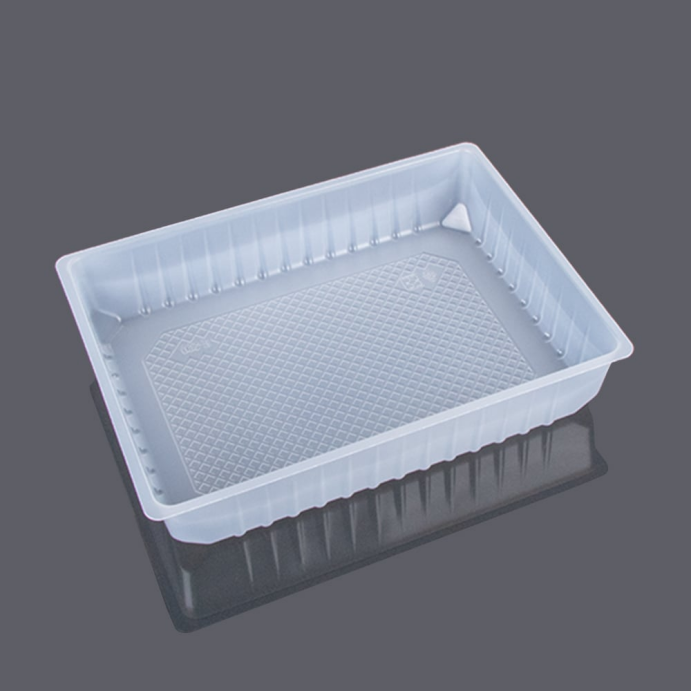
A food grade meat tray supports this by resisting condensation and staying rigid when cold. A MAP meat packaging pack that sweats or warps signals a temperature or material problem worth investigating. Buyers should train receivers to check pack condition on arrival and to flag any MAP meat packaging that shows softening, fogging, or seal lift before it reaches the display case.
How to Verify Compliance Before Shipping
Verifying compliance before shipping protects the brand and the buyer relationship. The check covers documents, the supplier's system, and a sample trial of the actual MAP meat packaging assembly. A lot that ships without this verification bets the contract on hope, which is poor practice for a food business.
Documents That Prove Food-Contact Safety
The documents for MAP meat packaging should include a valid BRCGS certificate, an FDA 21 CFR 177 test report for the tray, and the film's food-contact evidence. EU-bound packs also need EU 10/2011. A MAP meat packaging file should list the resin grade and the coating so the buyer can trace every component. These papers are the proof a retailer or customs officer will request. Keeping the file in one shared folder also speeds the next audit, because the buyer is not hunting for papers under pressure at the worst moment.
The buyer should verify certificate dates and the issuing body directly. A MAP meat packaging claim backed by an expired certificate is no claim at all. Hengmaster holds BRC certification and produces trays in a GMP-standard clean workshop, with products that pass FDA food-contact testing. For map packaging for meat FDA compliant confidence, that evidence set is the practical starting point a buyer should require from any maker.
Frequently Asked Questions
What makes MAP meat packaging FDA compliant?
Answer: MAP meat packaging is FDA compliant when every food-contact component meets FDA 21 CFR 177 limits for migration and additives. The tray, film, and any coating must be made from approved resins and tested as used. A current test report from a recognized lab is the proof. BRCGS certification shows the maker runs a documented system. Hengmaster holds BRC certification and its trays pass FDA food-contact testing in a GMP clean workshop.
Is a BRCGS certificate enough on its own?
Answer: A BRCGS certificate shows the maker runs a documented food-safety system, but it is not the whole proof for MAP meat packaging. The buyer still needs FDA 21 CFR 177 or EU 10/2011 evidence for the actual tray and film materials. BRCGS and material testing work together. A MAP meat packaging file should include both the system certificate and the component test reports, with current dates verified by the buyer.
How can a buyer verify a tray is food grade?
Answer: A buyer verifies a food grade meat tray by requesting the resin grade and an FDA 21 CFR 177 migration test for that exact material. The maker should provide the report from a recognized lab with current dates. A MAP meat packaging buyer should also confirm the tray is made in a clean workshop under GMP discipline. Hengmaster produces such trays with BRC certification and FDA-passing test results for traceable safety.
Does a film change affect MAP meat packaging safety?
Answer: Yes, a film coating change can affect MAP meat packaging safety because the new material may not have current food-contact evidence. The gas transmission and seal behavior can also shift, risking leaks. The buyer should require retesting of the full pack whenever a component changes. A MAP meat packaging program with lot logging catches these changes before they reach the shelf and protects the compliance claim.
What should receivers check on arrival?
Answer: Receivers should check MAP meat packaging for rim flatness, seal integrity, and cold condition on arrival. Flag any pack that shows softening, heavy fogging, or seal lift, because these signal a temperature or material problem. Compare the tray against the approved sample for color and wall thickness. A MAP meat packaging lot that fails this quick check should be quarantined and traced before reaching the display case.
Can MAP meat packaging extend shelf life safely?
Answer: MAP meat packaging can extend shelf life safely when the tray, film, and gas mix are matched and the cold chain holds. By slowing bacterial growth and holding color, the pack gains saleable days. A MAP meat packaging failure in sealing or temperature removes that benefit and raises risk. The buyer should validate the full assembly with a seal and migration trial, then monitor temperature from plant to shelf.