
 EN
EN
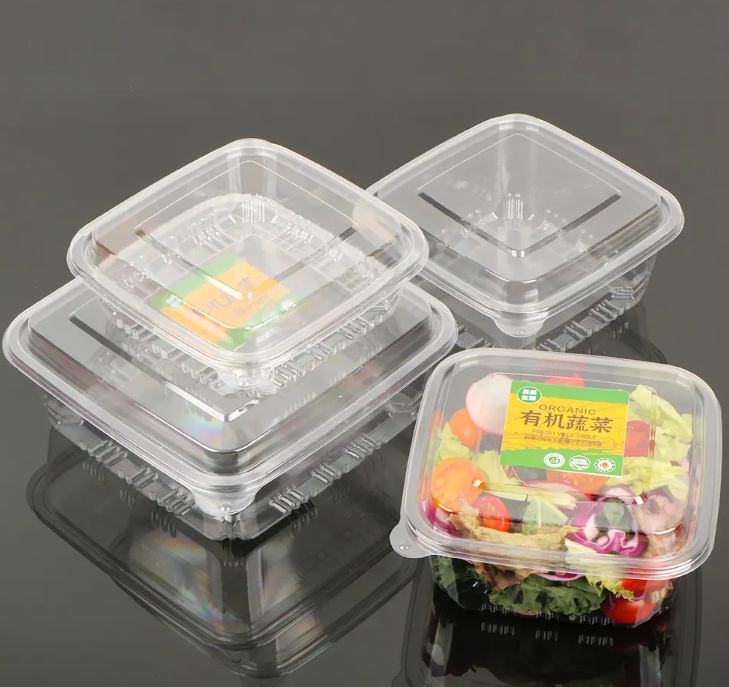
Choosing the right disposable food container for skin packaging applications is a critical decision for businesses in the food industry. Skin packaging is a popular and effective method where a thin film of plastic is heated and vacuum sealed over a product placed on a rigid backing, typically a disposable container. This process creates a tight, secure, and visually appealing package that locks in freshness and protects the contents. For producers of fresh foods like meats, cakes, and other perishables, the selection of the base container is as important as the packaging film itself. The container must provide a sturdy foundation, ensure product safety, and enhance shelf appeal. This guide will walk you through the key considerations to make an informed choice that safeguards your product and supports your brand.
Understanding Material Compatibility and Performance
The foundation of a successful skin pack lies in the material of the disposable food container. Different plastics offer varying properties that affect durability, clarity, and barrier protection.
Common Plastic Types
Two of the most common materials used are PET and PP. PET plastic containers are known for their excellent clarity, stiffness, and strong barrier against gases and moisture, making them ideal for products where visibility and prolonged freshness are paramount. PP containers, on the other hand, offer good chemical resistance and can withstand higher temperatures, which is beneficial for certain filling processes or ready to eat meals.
Material Strength and Stability
The container must possess sufficient rigidity to prevent warping or collapsing during the vacuum and heating stages of skin packaging. A weak container can compromise the seal integrity, leading to potential contamination or spoilage. Evaluating the thickness and structural design of the container is essential for consistent performance on automated packaging lines.
Prioritizing Food Safety and Hygiene Standards
When the product is intended for direct consumption, safety cannot be compromised. The disposable food container must be manufactured in a controlled environment to ensure it meets all relevant food contact regulations.
Importance of Manufacturing Environment
Opt for suppliers who produce containers in certified clean rooms. For instance, facilities that operate a GMP standard 100K class clean workshop, like the production base of Hengjiang Plastic in Zhejiang, China, significantly minimize the risk of particulate or microbial contamination during the manufacturing process. This level of care is crucial for containers used in skin packaging for fresh meats and delicate cakes.
Compliance and Certification
Ensure the container material is FDA compliant or meets equivalent international standards for food contact. Reputable manufacturers will have their materials tested and certified, providing documentation that guarantees the plastic is free from harmful substances and safe for packaging your specific food type.
Evaluating Design and Functional Features
The design of the container directly impacts the efficiency of the skin packaging process and the final presentation of the product.
Precision and Consistency
A precisely molded container with consistent dimensions is vital for high speed, automated skin packaging. Containers with uneven edges or variable depths can cause sealing issues, leading to production slowdowns and waste. Advanced injection molding techniques ensure every disposable food container is uniform, facilitating a smooth and reliable packaging operation.
Enhancing Product Presentation
Consider the shape, depth, and color of the container. A clear container can showcase the product’s quality, while specific compartments or contours can hold items like cakes or cut meats securely in place, preventing movement during transit. The design should complement the skin tight film to create a vacuum sealed package that looks professional and appetizing on the retail shelf.
Assessing Supplier Capability and Reliability
Your choice of supplier is a long term partnership. Their capacity, expertise, and quality control systems will affect your supply chain stability.
Production Scale and Technical Expertise
A supplier with large scale production capacity, backed by a team of technical managers, can handle significant orders and provide expert support. This ensures you receive a reliable supply of high quality disposable food containers tailored for skin packaging applications. It is advantageous to partner with a modern company that invests in automatic production and testing machinery, as this translates to consistent product quality.
Integrated Service from Production to Storage
Consider the supplier’s entire operational footprint. A company with extensive manufacturing space, substantial storage areas, and an in house laboratory for testing, offers a streamlined and secure supply chain. This integrated approach, as seen with Hengjiang Plastic’s facilities in Zhejiang, China, allows for better quality oversight and timely delivery, ensuring your packaging needs are met without interruption.
Aligning with Operational and Cost Efficiency
Finally, the selection must make practical and economic sense for your business operations without sacrificing quality.
Optimizing for Automated Lines
The disposable container should be designed to run flawlessly on automatic blister forming and skin packaging machines. Containers that jam or misfeed create costly downtime. A supplier familiar with the demands of automated packaging can provide containers optimized for such efficiency.
Total Value Consideration
While unit cost is a factor, the total value encompasses the container’s performance in reducing waste, its protective qualities that minimize product loss, and the brand enhancement from a superior package. Investing in a well made container for skin packaging often proves more economical in the long run by ensuring product integrity and customer satisfaction.
In conclusion, selecting the ideal disposable food container for skin packaging requires a holistic view of material science, safety protocols, design functionality, and supplier partnership. For businesses seeking reliable, safe, and visually appealing packaging solutions for fresh foods, partnering with an experienced manufacturer like Zhejiang Hengjiang Plastic Co., Ltd., which specializes in producing food grade plastic containers for cakes, meats, and other perishables, provides a strong foundation. Their commitment to operating from a advanced production base in Zhejiang, China, with significant clean room and laboratory facilities, ensures that every plastic box contributes to a secure, fresh, and market ready skin packaged product.