 EN
EN
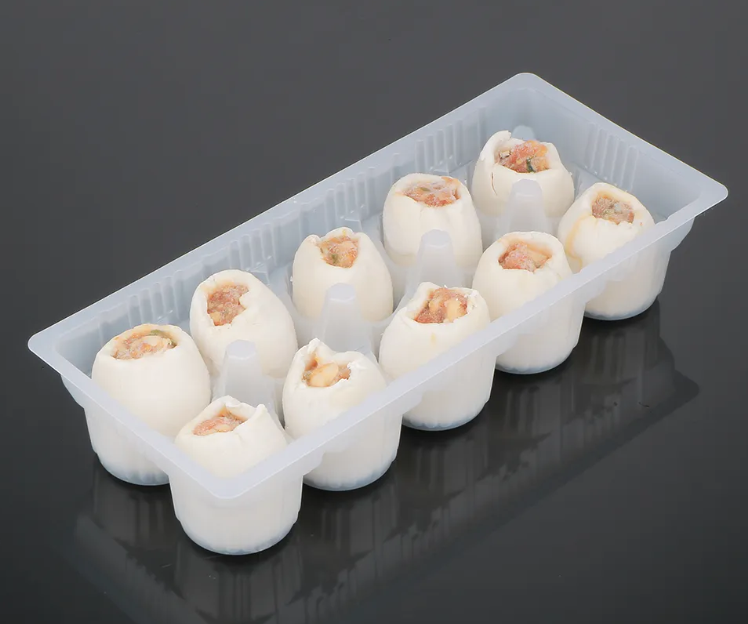
Choosing the right plastic meat tray is a critical decision for any retailer in the fresh food sector. The packaging must not only protect the product and ensure its safety but also present it appealingly to customers while withstanding the logistical demands of the supply chain. For businesses seeking reliable, high performance solutions, understanding the key selection criteria is essential. Hengjiang, as a leading manufacturer based in Zhejiang, China, specializes in producing durable plastic trays designed for fresh foods like meat and cakes. With extensive experience and advanced facilities, Hengjiang provides insights and solutions that define quality in food packaging.
Material Science Behind Durable Plastic Meat Trays
The durability of a plastic meat tray begins with its material composition. Not all plastics are created equal, and selecting the right polymer is fundamental to ensuring the tray can protect meat products effectively throughout their journey from processing to the retail shelf.
Understanding Polymer Options
For meat packaging, common materials include polypropylene (PP) and polyethylene terephthalate (PET), often in forms like CPET or APET. These materials are chosen for their strength, clarity, and barrier properties. A durable plastic meat tray must resist impacts during transport, prevent leaks from meat juices, and often support modified atmosphere packaging (MAP) to extend shelf life. Hengjiang utilizes automatic PET/PP sheet making machines to produce consistent, high quality sheet materials that form the basis of their robust trays. Their expertise ensures the material selected aligns with the specific needs of meat products, whether for chilled, frozen, or fresh retail display.
Importance of Material Stability
Meat products are challenging to package due to moisture, fats, and potential for punctures. The material must remain stable and inert, not transferring any odors or chemicals to the food. It should also maintain its integrity under refrigeration and, in some cases, during brief warming at the retail counter. Trays produced by Hengjiang in their GMP standard clean workshop are engineered for this stability, ensuring the plastic meat tray serves as a safe and reliable barrier, preserving the quality and safety of the meat.
Design and Functional Features for Retail Success
Beyond the material, the physical design of the plastic meat tray plays a pivotal role in its durability and functionality. A well designed tray optimizes protection, enhances presentation, and improves handling efficiency for both retailers and consumers.
Structural Integrity and Leak Resistance
A key feature of a durable plastic meat tray is its structural design. This includes reinforced corners, secure sealing ridges, and a shape that prevents stacking collapse. The tray must be engineered to hold the weight of the meat and any absorbent pads without bending or cracking. Furthermore, advanced designs incorporate channels or barriers to contain juices, a critical factor for maintaining a clean, appealing presentation in the retail case. Hengjiang’s precise advanced injection machines and automatic blister forming machines allow for the production of trays with complex, robust geometries that meet these rigorous demands.
Retail Ready Design Elements
In today’s fast paced retail environment, efficiency is key. A durable plastic meat tray should be designed for easy labeling, scanning, and shelf stacking. Features like flat rims for secure film sealing, compatibility with automatic packing lines, and optimal footprint for shelf space are crucial. Hengjiang’s design philosophy focuses on creating trays that are not only protective but also integrate seamlessly into retail operations. Their large scale production capacity ensures retailers have a consistent supply of trays that streamline the packaging process from their facility in Zhejiang to stores worldwide.
Quality Assurance and Compliance Standards
Selecting a supplier for plastic meat trays requires thorough verification of their quality assurance processes and compliance with international food safety standards. This is non negotiable for ensuring product safety and building consumer trust.
The Role of GMP and Clean Manufacturing
A plastic meat tray must be manufactured in a controlled environment to prevent contamination. Good Manufacturing Practice (GMP) standards are essential. Hengjiang operates a 3,000 square meter 100K class clean workshop, a significant advantage that guarantees the highest levels of hygiene during production. This ensures that every tray is food safe from the moment it is produced, providing retailers with absolute confidence in the packaging protecting their meat products.
In House Testing and Laboratory Control
Rigorous testing is what transforms a good tray into a durable one. A supplier with dedicated laboratory facilities can perform essential tests for impact resistance, leak proofness, and material stress. Hengjiang’s 200 square meter laboratory area is integral to their operation, allowing them to validate the durability of every plastic meat tray design before it reaches full production. This commitment to in house quality control, managed by their team of 10 technical managers, means retailers receive a product that has been proven to perform under real world conditions.
Supply Chain and Production Capability Considerations
The durability of a plastic meat tray is also reflected in the reliability of its supply. Retailers need a partner who can deliver consistent quality at scale, with the logistical support to ensure uninterrupted operations.
Evaluating Production Scale and Reliability
A supplier’s physical infrastructure speaks volumes about their capability. A large building area, significant storage space, and automated production lines indicate an ability to handle large orders efficiently. Hengjiang’s 13,000 square meter facility, with a 6,000 square meter storage area, demonstrates their capacity to manage substantial inventory and ensure timely delivery. Their use of automated machinery translates to consistent precision in every plastic meat tray produced, order after order.
Technical Expertise and Customization Support
The needs of meat retailers can vary greatly. Having access to technical expertise for customization is a major advantage. Whether it’s a specific size, a unique compartment design for value packs, or a particular color for branding, a supplier with deep experience can provide tailored solutions. Hengjiang’s team of nearly 50 employees, including specialized technical managers, focuses on food blister and injection packaging, offering retailers the support to develop plastic meat trays that give them a competitive edge in the marketplace.
Making the Sustainable and Economical Choice
In the modern retail landscape, durability also encompasses environmental and economic efficiency. The ideal plastic meat tray balances performance with sustainability and total cost effectiveness.
Durability as a Form of Waste Reduction
A truly durable plastic meat tray reduces waste by minimizing product damage and spoilage. By securely protecting the meat, it decreases the likelihood of in store losses. Furthermore, selecting trays from a manufacturer like Hengjiang, who prioritizes efficient production with advanced technology, often means less material is used without compromising strength, contributing to source reduction. Their focus on producing trays for fresh foods inherently supports a goal of preserving resources by extending product shelf life.
Total Cost of Ownership Analysis
When selecting a plastic meat tray, retailers should consider the total cost of ownership, not just the unit price. A cheaper, less durable tray can lead to higher costs through leak related repackaging, damaged goods, and customer complaints. A durable tray from a qualified supplier like Hengjiang, while potentially a higher initial investment, provides greater value through reliability, brand protection, and supply chain efficiency. Their integrated approach from production in Zhejiang to delivery ensures a stable and cost effective partnership for retailers globally.
In conclusion, selecting a durable plastic meat tray for retail requires a multifaceted evaluation of material science, functional design, quality certifications, supplier capability, and overall value. Hengjiang stands as a exemplary partner in this selection process, combining state of the art manufacturing in China’s Zhejiang province, unwavering commitment to quality in their GMP cleanroom, and deep specialization in packaging for meat and other fresh foods. By choosing a supplier with the technical expertise, production scale, and quality focus that Hengjiang demonstrates, retailers can secure a plastic meat tray solution that ensures product integrity, enhances retail presentation, and supports a successful, sustainable business.