
 EN
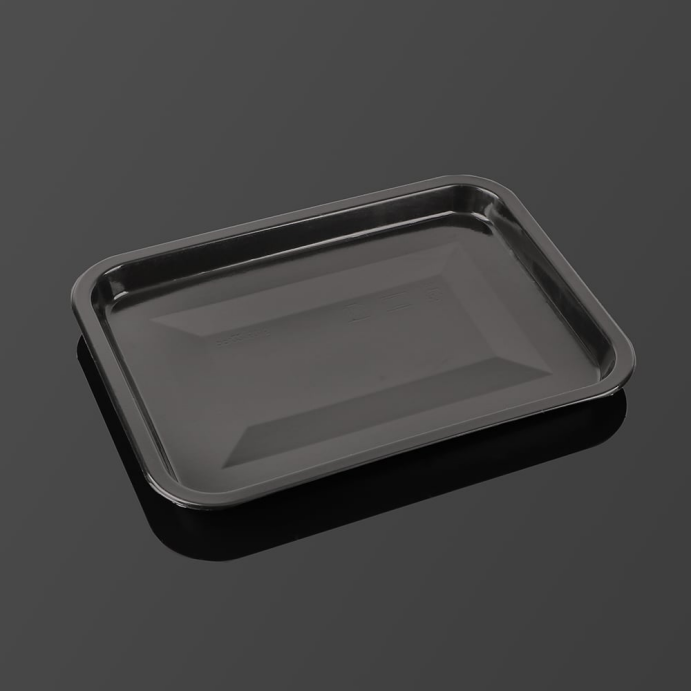
Why Pork Needs a Dedicated Packaging Tray
A pork packaging tray is designed around the specific behavior of pork muscle, which differs from beef in color stability and drip loss. Retail buyers judge chops by surface color within seconds, so the tray must support that first impression. A pork packaging tray built for modified atmosphere use keeps the meat in a stable gas mix that slows the browning that turns shoppers away. The right pork packaging tray also manages purge, the liquid that pools and makes a pack look old rather than fresh on the shelf.
A pork packaging tray should match the cut it holds. Loin chops, ribs, and ground pork each need different well depth and support. A pork packaging tray that fits the product reduces movement and contact damage during transit. When the tray fits, the film stays tight and the presentation stays clean through the cold chain from the plant to the retail case. These small matching decisions protect the sale at the moment of choice.
A Butcher's Experience With Discolored Chops
A neighborhood butcher switched from a generic foam tray to a dedicated pork packaging tray after repeated complaints about grey chops by day three. The butcher kept the same film and the same refrigeration, yet the new pork packaging tray held a tighter seal and reduced air exchange. Within two weeks, the butcher reported that chops looked saleable through day five instead of day three, a clear gain for the meat counter that customers noticed.
This real case shows the value of matching the pork packaging tray to the product rather than accepting a one-size tray. The butcher later added a MAP lidding film over the pork packaging tray and extended the window further. The change required no new equipment, only a better tray specification and a supplier that understood pork behavior at a practical level. Small packaging decisions changed the store's markdown rate without a capital investment.
Risks of Using a Generic Meat Tray
A generic meat tray invites several risks that a purpose-built pork packaging tray avoids. Thin walls flex under stack weight and break the film seal, letting oxygen in. A generic tray with poor drainage lets purge sit against the meat, accelerating discoloration. The buyer who saves a cent on a generic tray often loses more in markdowns and complaints from regular customers who expect a bright, fresh appearance every visit.
Another risk is inconsistent tray dimensions from a supplier that does not control tooling. When the pork packaging tray varies batch to batch, the lidding film no longer seals correctly. A pork packaging tray from a controlled production line removes that variability. The butcher tray standard should include dimensional tolerance checks so the packing line runs without constant adjustment and rework that costs labor time during the morning rush.
How a Pork Packaging Tray Preserves Appearance
A pork packaging tray preserves appearance by limiting the oxygen that reaches the meat surface and by channeling purge away from the display face. The tray geometry, the film, and the gas mix work together as one system. A pork packaging tray with a raised pad keeps the chop above the liquid, so the visible surface stays dry and bright for the shopper who is comparing options across the case.
The pork packaging tray also protects against light and stacking pressure that bruise the product. A pork packaging tray that supports the cut from below prevents the film from pressing a flat spot onto the meat. These details matter because the pork packaging tray is the frame around the product the shopper sees and judges in the first few seconds at the counter.
The Science of Color and Purge Control
Pork color comes from myoglobin, which shifts from bright pink to dull grey as oxygen exposure changes. A pork packaging tray used with a high-oxygen or balanced MAP mix holds the desired state longer. Purge forms as the muscle releases moisture, and a pork packaging tray with an absorbent or channeled base keeps that liquid away from the surface. Less standing liquid means less microbe growth and a cleaner look that supports repeat purchases over time.
A fresh meat tray that ignores purge control lets the liquid pool and cloud the film. The pork packaging tray should therefore pair with the right pad and film for the cut. Understanding this science helps the buyer choose a tray on function, not just on price, and protects the brand on the shelf during a long weekend when staff cannot repack. The right base design is quiet but decisive.
Material Choices That Slow Oxidation
A pork packaging tray is commonly made from PET, PP, or CPET, each with different barrier and temperature behavior. PET offers clarity and rigid support, while PP tolerates higher heat for cook-in formats. A pork packaging tray in CPET can move from freezer to oven, which suits prepared pork lines. The choice affects how long the pack resists oxygen and how it performs under retail lighting that can fade presentation by the hour.
The MAP meat tray variant adds a sealed lidding film that locks the gas mix in place. A pork packaging tray with good flatness seals more reliably on automatic lines. The supplier should document the material grade and its food-contact status under FDA 21 CFR 177. Hengmaster produces trays in a GMP-standard clean workshop, and its products pass FDA food-contact testing, giving buyers a verifiable safety baseline for a pork packaging tray used in daily retail service.
Selecting the Right Tray for Your Case
A butcher tray program should be selected against the cut, the film, and the shelf-life target. A pork packaging tray that works for loin chops may not suit ribs or ground pork. Test the tray on the actual line before committing to a full pallet, because theory and the real packing bench often differ in small but costly ways that only appear under production speed.
How to Inspect Trays Before Bulk Use
Inspect the pork packaging tray for wall thickness, flatness, and clean edges before bulk use. A warped pork packaging tray will not seal on the lidder and will cause film waste. Check a sample against the approved drawing and measure the well depth. A pork packaging tray with sharp flash on the rim can cut the film and leak gas during transit. The buyer should also confirm the tray color and clarity match the approved sample from the supplier's last good run.
Run a short packing trial with the pork packaging tray and the chosen film. Measure seal integrity after twenty-four hours in the cold chain. A pork packaging tray that passes this trial on the bench will perform on the shelf, reducing the risk of a large rejected shipment later in the season. Keep the approved sample on the receiving dock so every incoming lot can be compared quickly by the clerk who signs for it.
Frequently Asked Questions
How is a pork packaging tray different from a standard meat tray?
Answer: A pork packaging tray is specified around pork's color stability and drip behavior, with well depth and purge channels suited to chops and ribs. A standard meat tray may lack the drainage and seal flatness needed for pork. The pork packaging tray pairs with the right film to hold a stable gas mix. This focus reduces browning and purge pooling, so chops stay presentable longer than they would in a generic tray that was never designed for the cut.
Does a pork packaging tray really extend shelf life?
Answer: A pork packaging tray extends saleable shelf life when paired with MAP film and correct refrigeration. By limiting oxygen at the surface and moving purge away from the meat, the tray slows discoloration and microbial growth. A fresh meat tray without these features lets chops grey sooner. Real butcher trials show the pork packaging tray can add one to two saleable days versus a generic tray, protecting margin on every case.
Which material is best for a pork packaging tray?
Answer: PET gives clarity and rigid support for display, PP suits higher heat cook-in formats, and CPET moves from freezer to oven. The best pork packaging tray material depends on whether the pack is raw chill, cook-in, or frozen. All grades must meet FDA 21 CFR 177 for food contact. Hengmaster makes these trays in a GMP clean workshop, and its products pass FDA food-contact testing, which supports safe retail use.
Can a pork packaging tray be used with MAP film?
Answer: Yes, a pork packaging tray is commonly paired with MAP lidding film to lock in a protective gas mix. The tray must have good flatness so the film seals without leaks on automatic lines. A butcher tray designed for MAP holds the seal better than a warped generic tray. The supplier should confirm compatibility and share seal-test guidance so the buyer avoids film waste and gas loss during high-speed packing.
What should a buyer check on arrival?
Answer: On arrival, check the pork packaging tray for wall thickness, flatness, clean rims, and correct color. A warped tray will not seal and causes film waste. Run a short packing trial with the chosen film and measure seal integrity after a day in the cold chain. A pork packaging tray that passes this bench test will perform on the shelf. Keep the approved sample as the reference for every incoming batch received at the dock.
Is a pork packaging tray safe for food contact?
Answer: A pork packaging tray is safe when made from approved food-grade resin and produced under controlled hygiene. In the US, materials must comply with FDA 21 CFR 177, and EU sales need EU 10/2011. BRCGS certification shows the supplier runs a documented food-safety system. Hengmaster holds BRC certification and its trays pass FDA food-contact testing in a GMP-standard clean workshop, giving buyers verifiable evidence of compliance.