
 EN
EN
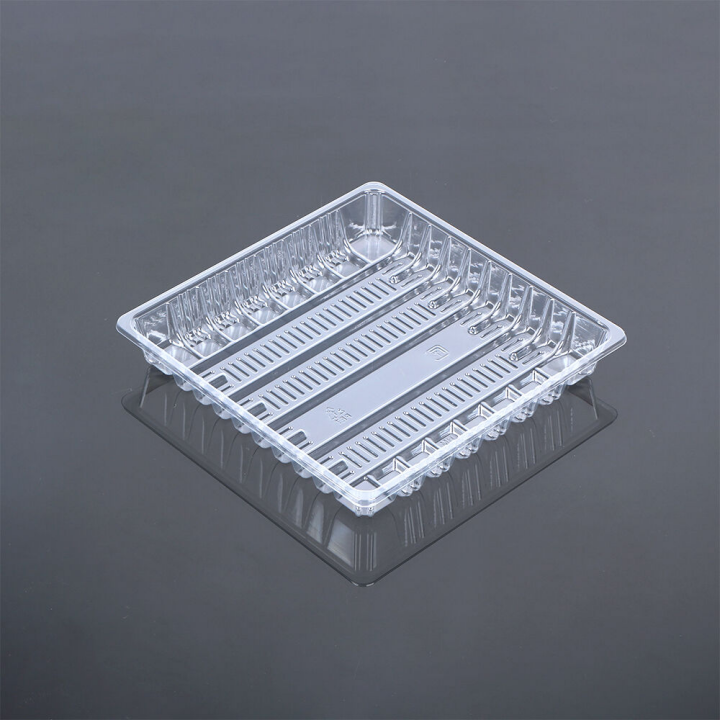
Why Do Buyers Prefer Clear Plastic Food Packaging for Visibility?
A regional grocery chain ran a quiet shelf test two years ago that still gets discussed in packaging meetings. The buyer placed two identical batches of sliced deli cheese on adjacent displays. One used a tinted, semi-opaque film. The other used clear plastic food packaging with the same thickness and seal. Within nine days the clear tray outsold the opaque one by a noticeable margin, and the store recorded fewer price-markdown events on the visible product. The result was not magic. Shoppers simply trusted what they could see.
The bakery shelf observation
The same chain later repeated the test in the bakery section with cookies and muffins. Clear clamshells let customers inspect color, glaze, and portion size before opening. Opaque bags forced a leap of faith. Staff noted that clear plastic food packaging reduced "does this look fresh?" hesitation at the shelf edge, especially for first-time buyers who had no brand loyalty yet.
Why opaque wrapping hid the problem
Opacity also hid problems. When a product sat too long under warm lights, condensation or color shift showed clearly through a transparent wall. With tinted film, those warning signs stayed invisible until the package was opened at home. That gap between shelf and kitchen is where trust breaks, and returns or complaints follow.
The Risk of Losing the Sale Behind Opaque Film
Retail food lives or dies on the first three seconds at the shelf. A package that hides its contents asks the shopper to assume quality. Many will not.
Slow stock rotation and spoilage
Opaque packaging makes FIFO (first-in, first-out) harder for both staff and customers. Employees cannot glance at a backstock box and judge age. Customers cannot see whether the
item in front is the older one. The result is uneven rotation, longer dwell time, and more spoilage write-offs that eat margin.
Missed contamination signals
Clear walls act like an early alarm. A broken seal, a stray crumb, or a leak becomes visible before purchase. Opaque material delays that signal until the product reaches the home, where the blame lands on the brand, not the lighting.
How Clarity Changes the Buying Decision
Visibility is not vanity. It is a decision shortcut that lowers perceived risk.
The psychology of seeing the actual product
Human buyers anchor trust on direct sight. When the food looks real, textured, and fresh through the package, the brain fills in "safe" and "worth it." Clear plastic food packaging supports that snap judgment better than printed or frosted alternatives, particularly for premium or hand-made items where appearance carries the value.
Material properties that protect and reveal
Clarity does not mean weakness. Modern PET and rPET sheets deliver high light transmission while holding rigidity and barrier performance. Anti-fog coatings keep the view clear inside chilled cases. The right crystallinity and wall thickness protect the food and still let the buyer see it, which is the whole point of clear plastic food packaging.
What Food Safety Standards Require
Material choice is regulated, not optional. Buyers specifying clear plastic food packaging should verify compliance rather than assume it.
FDA 21 CFR and EU 10/2011 compliance
In the United States, food-contact plastics fall under FDA 21 CFR 177, which lists conditions for polypropylene, polyethylene, and PET. In the European Union, Regulation (EU) 10/2011 sets overall and specific migration limits for plastic food contact materials. Both frameworks exist to keep substances from leaching into food at levels that matter for health.
How to Select and Use Clear Packaging Well
Specifying the right clear package protects both the product and the brand.
A buyer's inspection checklist
Request the migration test report and the food-contact compliance statement. Confirm the resin type (PET, rPET, PP) matches the fill temperature and fat content of the food. Check haze value against ASTM D1003 so "clear" means clear, not merely light blue. Ask for anti-fog performance on chilled items. Verify seal strength so visibility is not traded away at the closure. Hengmaster's engineering team supplies migration test reports, haze data, and anti-fog specs on request, so buyers can verify each item before committing to a run.
Storage and handling that preserves clarity
Keep film and trays away from direct sunlight and heat, which accelerate yellowing. Rotate raw stock using FIFO. Train staff to wipe condensing cases so the clear view stays clean. A scratched or fogged wall defeats the purpose of clear plastic food packaging, so handle units by the edges during filling.
Frequently Asked Questions
Question: Does clear plastic food packaging keep food fresh as well as opaque options?
Answer: Clarity depends on the resin and barrier, not the tint. Clear PET and PP grades used for food hold moisture and protect against outside air as well as opaque films of equal thickness. Freshness comes from wall gauge, seal quality, and storage temperature, so buyers should compare those specs directly rather than assuming opaque means better protection.
Question: Is clear packaging safe for hot or fatty foods?
Answer: Safety depends on the certified resin. Polypropylene tolerates higher temperatures and fatty contents better than standard PET, which can deform near filling heat. Suppliers should provide FDA 21 CFR or EU 10/2011 migration data for the exact food type. Specifying the wrong clear plastic for hot fill risks warping and elevated migration, so match the material to the product.
Question: Why does some clear packaging turn cloudy in the fridge?
Answer: Cloudiness usually comes from condensation, low-grade anti-fog coating, or polypropylene crystallization at low temperature. A proper anti-fog layer and stabilized resin
keep the surface clear. If the fog appears only on the outside, it is ambient humidity, not a material fault. Choosing clear plastic food packaging with verified anti-fog performance prevents most chilled-case clouding.
Question: Can clear trays be recycled after food use?
Answer: PET and rPET trays carry widely accepted recycling streams where local facilities exist, while PP clips often need separate handling. Residual grease reduces recyclability, so rinse before disposal. Many buyers now ask for rPET content to close the loop. The clarity of the package does not block recycling, but food soil and mixed resins do.
Question: How can a small brand afford clear packaging without raising price?
Answer: Clear plastic food packaging is available across gauge and resin tiers, so cost tracks spec, not transparency alone. Right-sizing wall thickness, choosing rPET where allowed, and consolidating order volume lower unit cost. The visibility often reduces markdowns and returns enough to offset the small material premium versus printed opaque film.
Question: What certification should buyers request from suppliers?
Answer: Request food-contact compliance (FDA 21 CFR or EU 10/2011), a migration test report, and proof of ISO 22000 or HACCP systems. NSF/ANSI 51 helps for North American food equipment use. These documents let buyers confirm that clear plastic food packaging meets safety rules, not just visual appeal, before committing to a production run.
Get Clear Packaging Samples and Specs from Hengmaster
Hengmaster manufactures FDA- and EU-compliant clear PET, rPET, and PP food trays with anti-fog and barrier options. Our team shares free samples, spec sheets, and migration test reports for your exact food type. Tell us your fill temperature, fat content, and order volume, and we will recommend the right gauge and resin for your product.
Table of Contents
- Why Do Buyers Prefer Clear Plastic Food Packaging for Visibility?
- The Risk of Losing the Sale Behind Opaque Film
- How Clarity Changes the Buying Decision
- What Food Safety Standards Require
- How to Select and Use Clear Packaging Well
- Frequently Asked Questions
- Get Clear Packaging Samples and Specs from Hengmaster