 EN
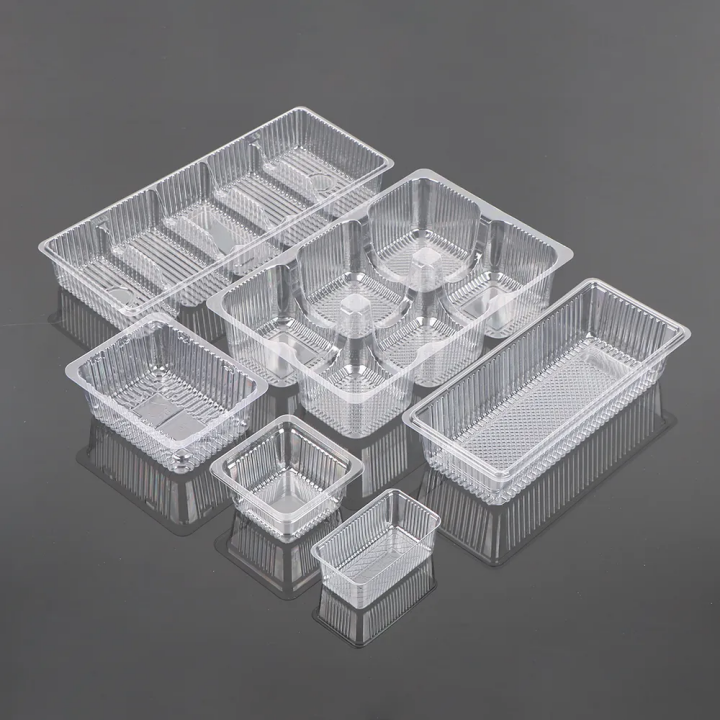
A mid-size bakery in the Midwest took a large holiday order two seasons ago and nearly missed it. The team scaled production from a few hundred trays a day to several thousand. The existing wholesale cookie trays, bought mainly on price, started failing under the new load. Cookies stuck to the base, corners snapped during stacking, and a share of the shipment arrived at the distributor with broken lids. The episode cost more in rushed re-packing and lost trust than the savings from the cheap tray ever delivered.
The holiday order that stuck together
During the peak run, warm cookies placed into thin trays released moisture that re-condensed on the lid and pooled at the base. Without a proper release surface, the cookie base fused to the tray wall. Staff had to pry product free by hand, slowing the line and bruising the goods. The failure was not the recipe. It was the tray spec.
What the broken corners cost
Corner fractures looked minor but compounded. Stacked cases shifted, lids popped, and the distributor flagged the lot. Re-work ate a full shift, and the account demanded a corrective plan before the next order. That is the hidden price of wholesale cookie trays chosen only by unit cost.
The Risk of Sticking and Cracking at Scale
Small tray flaws stay invisible at low volume. At wholesale scale they multiply into line stops, waste, and claims.
Production line jams
A tray that flexes incorrectly jams automatic denesters and fillers. Every jam halts the conveyor, and stoppages during a timed production window cascade into delayed shipments. Surfaces prone to sticking also slow manual loading, because each cookie requires coaxing instead of dropping cleanly.
Customer complaints and returns
Cracked corners and stuck cookies reach the buyer as a quality signal—not as a packaging footnote. Distributors remember whether a supplier’s wholesale cookie trays arrive intact. Returns and chargebacks follow, and the brand pays twice: once for replacements, once for reputation.
Why Trays Stick or Break: The Material Science
Sticking and breaking stem from resin choice, wall design, and processing—not from chance.
Release behavior of PP vs PET
Polypropylenum (PP) offert naturalem minorem superficiem energiam quam PET, quod adiuvat cookies liberari potius quam adhaerere. PET praebet claritatem et rigiditatem, sed necessitat revestimentum aut texturam pro liberatione. Rectae vasa pro cookie in commercio congruunt resinam cum producto: PP pro mollioribus aut calidis coctionibus, PET ubi transparens demonstratio maxime importat.
Spissitudo parietis et designatio angulorum
Tenuis parietes franguntur in angulis, ubi stressus concentratur. Anguli curvati et modice crassior mensura onus distribuunt et superant congeriem. Finishes anti-scratae et anti-nebulosae etiam valent pro demonstratione. Specificatio spissitudinis parietis secundum pondus producti, non secundum unicum numerum catalogi, praecipit pleramque frictionem.
Normae quae vera vasa pro cibis distinguunt
Vasa contactus cum cibo debent satisfacere regulas migrationis et hygienae, indifferenter pretii.
FDA 21 CFR 177 et EU 10/2011
In the United States, FDA 21 CFR 177 covers the resins allowed for food contact, including PP and PET, with limits on extractables. The EU Regulation (EU) 10/2011 sets specific migration limits for plastic materials. Wholesale cookie trays without these compliance statements carry unknown risk that no price saving justifies.
How to Specify Wholesale Cookie Trays That Perform
A short checklist beats a low quote when volume is high.
A five-point buyer checklist
- Confirm food-contact compliance for the resin.
- Match wall gauge to cookie weight and stack height.
- Verify release performance with a warm-product test.
- Check corner radius and lid snap strength .
- Request anti-fog and scratch resistance for display.
Hengmaster's team provides these specs on request, which makes comparison real.
Use and care that prevents sticking
Let baked goods cool before tray loading to cut condensation. Store trays in a dry, moderate environment so static and moisture stay low. Denest with calibrated air pressure rather than force. Rotate stock by FIFO. These steps keep wholesale cookie trays performing long after the purchase order closes.
Quaestiones Frequenter Rogatae
Question: What material is best for wholesale cookie trays that won't stick?
Answer: Polypropylene (PP) typically releases baked goods more easily than PET because of lower surface energy, which reduces sticking when cookies are still warm. PET offers better clarity for display but usually needs a release coating. The right choice depends on whether the priority is non-stick performance or visible presentation on the shelf.
Question: How thick should cookie trays be to avoid breaking?
Responsum: Spissitudo parietis debet congruere cum pondere biscottorum et altitudine strati, non autem sequi numerum fixum. Biscotta levia bene tolerare possunt spissitudinem modicam, dum biscotta graviora vel strata necessitant parietes crassiores et angulos curvatos ut tensionem diffundant. Petitio tolerantiae ponderis in grammatibus ab suppeditatore praecavet fracturas angulorum durante transportu et conservatione.
Quaestio: Suntne transparendes vasa pro biscottis apta ad contactum cum cibis?
Responsum: Vasa transparendia ex PET sunt apta ad contactum cum cibis si adimpleant normas FDA 21 CFR 177 aut EU 10/2011, simul cum experimentis migrationis. Transparendia oritur ex resina, non ex revestimentis additis quae effluere possent. Emptores debent postulare certificatum conformitatis et specificum reportum migrationis antequam vasa transparendia pro biscottis in commercio utantur ad contactum directum cum cibis.
Quaestio: Possuntne vasa pro biscottis in commercio in frigoriferum reponi?
Responsum: Vasa tenuia communia possunt frangere ad temperaturis gelidis, quia resina fit fragilis. Si refrigeratio requiritur, specificanda est PP modificata ad impetum, quae ad temperaturas inferiores est probata. Non omnia
manus manualem frigidae temperaturae, igitur confirmare debes gradum temperaturae apud suppeditatorem et vitare suppositionem quod specificatio ad temperaturam ambientem pertinet ad conservationem in frigorifero.
Quaestio: Quomodo vasa ante usum servanda sunt?
Responsum: Serva vasa empta in loco sicco et frigido, a sole directo et calore remotis, quae parietes tenuis deformare possunt et statim generare, quod pulverem attrahit. Rotare inventarium per methodum FIFO, ut priora inventaria primo mittantur. Servatio mundi et plani conservat functionem denesting et minuit adhaesionem cum linea demum ea onerat.
Quaestio: Quae certificatio probat vas esse cibarium?
Responsum: Status cibarius ostenditur per conformitatem ad FDA 21 CFR aut EU 10/2011, per rationem de migratione, et saepe per probationem ISO 22000 aut systematis HACCP. In America Septentrionali, NSF/ANSI 51 addit acceptationem materiae pro instrumentis cibariis. Petitio horum documentorum permittit emptoribus confirmare vasa empta ad regulas securitatis, non solum ad expectationes visuales, satisfacere.
Petere Specias et Exemplaria Vasorum Emptorum a Hengmaster
Hengmaster fabricat tabulas pro biscottis ex PP et PET, cum angulis rotundatis, superficiebus testatis pro liberatione et optionibus anti-nebulosae, confirmatus per documenta de conformitate ad FDA 21 CFR et EU 10/2011. Mitte nobis pondus biscottorum, altitudinem strati et volumen ordinis; tum aequipe nostra suadet tabulam idoneam intra tuum finitum pecuniarium.