 EN
EN
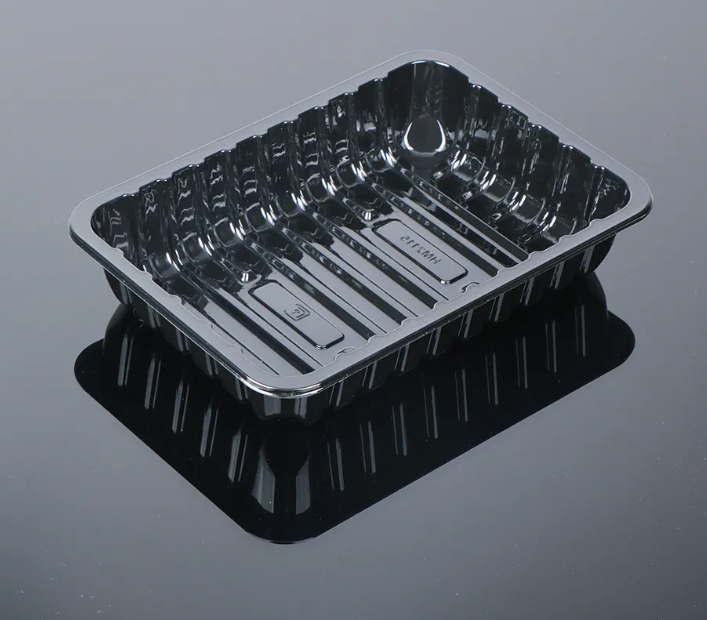
In the modern food industry, extending the shelf life of perishable products is a critical challenge directly impacting food safety, quality, waste reduction, and commercial success. Modified Atmosphere Packaging (MAP) has become a cornerstone technology in this endeavor. However, the effectiveness of MAP relies not just on the gas flushing process but fundamentally on the container that holds it all together. Selecting the right map container is a precise science, demanding careful consideration of material properties, design integrity, and manufacturing quality. For brands and processors of fresh foods like meats, poultry, prepared meals, and even delicate cakes, this choice is paramount. Hengjiang, a leading manufacturer based in Zhejiang, China, specializes in the production of high performance food packaging, offering expertly engineered map container solutions that are designed to maximize the benefits of MAP technology for extended freshness.
The Critical Role of the Container in MAP Technology
To understand how to choose a map container, one must first appreciate its function within the MAP system. MAP works by replacing the air inside a package with a protective gas mixture, typically involving nitrogen, carbon dioxide, and oxygen. The container is the vessel that must maintain this carefully crafted atmosphere.
Barrier Against Gas Transmission
The primary role of a map container is to act as a robust barrier. It must have extremely low permeability to oxygen and carbon dioxide to prevent the protective gas mix from escaping and external air from infiltrating. The rate at which gases pass through the packaging material is a key determinant of shelf life. A high quality map container uses materials with superior barrier properties to maintain the optimal internal atmosphere for as long as possible. This is essential for preserving the color of fresh red meat, inhibiting microbial growth in poultry, or keeping baked goods like cakes soft and mold free.
Structural Foundation for a Secure Seal
The container forms the foundation for the hermetic seal that locks in the modified atmosphere. Any flaw in the container’s sealing surface—such as uneven rims, inconsistencies, or contamination—can compromise the seal’s integrity, leading to leakers and rapid spoilage. Therefore, the geometric precision and surface quality of the map container are as vital as the barrier properties of the material itself.
Key Selection Criteria for Optimal MAP Containers
Choosing the right map container involves evaluating several interdependent factors that directly influence performance, cost, and sustainability.
Material Selection and Barrier Performance
The choice of material is the most critical decision. Common materials for map containers include high barrier plastics like polypropylene (PP), polyethylene terephthalate (PET), and often multi layer structures. Each offers different levels of protection. For instance, a map container for fresh meat requiring a very low oxygen environment will need a different material specification than one for fresh pasta. The thickness and composition must be engineered to match the product's specific respiration rate and sensitivity. Hengjiang’s capability in producing sheets via automatic PET/PP sheet making machines allows for precise control over material properties, ensuring their map containers are built with the correct barrier performance for the intended application.
Container Design and Volume to Product Ratio
The design of the map container must minimize the amount of free space, or "headspace," after the product is placed and the seal is applied. An excessive headspace requires more gas to flush and can lead to product movement and compromised seals. The container should cradle the product snugly. Furthermore, design features such as reinforced corners, stacking ribs, and easy to grip edges enhance durability and handling throughout the supply chain. Hengjiang’s use of precise advanced injection machines and automatic blister forming machines enables the production of map containers with complex, consistent geometries that are optimized for both product protection and efficient logistics.
Sealability and Surface Compatibility
The sealing area of the map container must be perfectly designed to bond with the lidding film. This requires a flawlessly flat and clean flange. The material must also be compatible with the sealing layer of the film, whether through heat sealing or other methods. Any residue from production, such as mold release agents, can inhibit sealing. This underscores the importance of a clean manufacturing environment. Hengjiang’s 3,000 square meter 100K class clean workshop, ensures that every map container is produced in a contaminant free setting, providing an ideal, clean surface for achieving a perfect, reliable hermetic seal every time.
The Importance of Supplier Quality and Technical Support
The capabilities of your map container supplier are a decisive factor in achieving long shelf life and operational efficiency.
Clean workshop and Hygiene Assurance
Since map containers are in direct contact with food, their production hygiene is non negotiable. The supplier must demonstrate a commitment to food safety protocols. Hengjiang’s clean workshop is a significant advantage, guaranteeing that map containers for sensitive products like raw meats and ready to eat cakes are manufactured under the strictest hygienic controls, eliminating a critical variable in food safety.
In House Testing and Validation Capabilities
Theoretical barrier properties are not enough; performance must be validated. A supplier with a dedicated laboratory can perform essential tests, such as oxygen transmission rate (OTR) testing, seal strength analysis, and overall container integrity checks under simulated storage conditions. Hengjiang’s 200 square meter laboratory allows them to rigorously test their map container designs, ensuring they meet the precise performance requirements before they reach the client’s production line. This technical validation, overseen by their team of 10 technical managers, provides brands with crucial data and confidence.
Hengjiang’s Integrated Approach to MAP Container Solutions
Choosing a supplier like Hengjiang means accessing an integrated solution tailored to the challenges of extended shelf life packaging.
From Material to Finished Container
Hengjiang controls a significant portion of the production process in house. Starting with raw material handling and sheet production using automated machines, through to forming the final map container with blister or injection molding technology, this vertical integration ensures consistency and quality at every stage. Their large scale production capacity within a 13,000 square meter facility, supported by a 6,000 square meter storage area in Zhejiang, ensures they can reliably supply the high volumes of consistent map containers required by large food processors.
Expertise in Food Specific Applications
Not all foods are the same. The requirements for a map container for fresh pork chops differ from those for a strawberry tart or a cheese platter. Hengjiang’s specialization in food blister and injection packaging, backed by nearly 50 employees focused on this sector, means they offer more than a generic product. They provide application specific expertise. Their technical team can collaborate with clients to design a map container that addresses the unique gas mixture, moisture, and physical protection needs of products ranging from fresh meats to delicate bakery items.
Making the Strategic Choice for Your Product
Selecting a map container is a strategic investment in your product’s quality, safety, and marketability.
Total Cost of Ownership Analysis
While unit price is a factor, the total cost of ownership for a map container includes the value of extended shelf life (reducing waste and allowing wider distribution), the reliability of seals (minimizing leakers and customer complaints), and supply chain efficiency (consistent performance on high speed packaging lines). A high performance map container from a qualified manufacturer like Hengjiang offers superior long term value by optimizing all these factors.
Future Proofing with a Technical Partner
Packaging needs evolve. Regulations change, sustainability pressures increase, and new products are launched. Partnering with a supplier that has strong R&D and technical support ensures you can adapt. Whether the future need is for a map container made with recycled content (rPET), a new shape for a product line extension, or a design that improves consumer convenience, a partner like Hengjiang has the infrastructure and expertise to develop the solution.
In conclusion, choosing the right map container for extended shelf life is a multifaceted decision centered on material barrier properties, precision design for sealing, and uncompromising manufacturing hygiene. It is a choice that directly determines the success of your MAP investment. Hengjiang, with its advanced production base in Zhejiang, China, embodies the qualities of an ideal partner. Their commitment to GMP standard manufacturing, supported by in house laboratory testing and a skilled technical team, provides the foundation for producing reliable, high barrier map containers. By leveraging their integrated production capabilities and deep understanding of packaging for fresh foods like meats and cakes, brands can confidently select map container solutions that deliver maximum shelf life, ensure product safety, and protect their reputation in a competitive marketplace.