 EN
EN
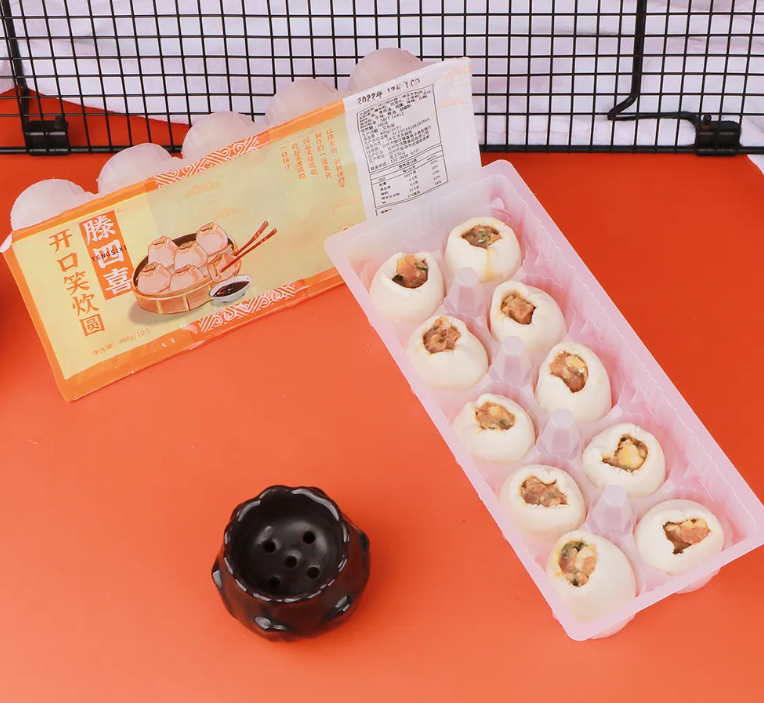
In the competitive landscape of supermarket retail, the presentation of fresh and packaged foods plays a pivotal role in driving sales and enhancing customer experience. A critical yet often underestimated component of this presentation is the humble supermarket food tray. More than just a container, an optimized tray serves as a stage, showcasing the quality, freshness, and appeal of products like cakes, meats, and ready to eat meals. For retailers and brands aiming to maximize visual impact and operational efficiency, understanding how to optimize these trays is essential. Hengjiang, a leading manufacturer based in Zhejiang, China, specializes in producing high performance plastic packaging designed to meet the exacting demands of modern supermarket displays, offering expertise that turns ordinary packaging into a powerful retail tool.
Foundational Design Principles for Visual Impact
The design of a supermarket food tray is the first factor influencing consumer perception. An optimized tray should complement the product, not distract from it.
Clarity and Product Visibility
The primary function of a supermarket food tray is to present the product in the best possible light. Trays with high clarity and gloss, such as those made from premium PET materials, allow the natural colors and textures of the food to shine through. Whether displaying the rich red of fresh meat or the intricate frosting of a cake, clarity builds an impression of freshness and quality. Hengjiang utilizes advanced automatic PET sheet making machines to produce materials with exceptional optical properties, ensuring their supermarket food tray solutions offer superior product visibility that attracts customer attention from across the aisle.
Functional Shape and Stackability
An optimized supermarket food tray must balance form with function. Its shape should cradle the product securely, minimizing movement that can lead to damage. Furthermore, efficient display relies on stable stacking. Trays should be designed with interlocking ribs or stable bases to allow secure vertical stacking in coolers and on shelves, maximizing space utilization. A well designed supermarket food tray from a manufacturer like Hengjiang, using precise injection molding, ensures consistent dimensions and structural integrity, enabling neat, space saving displays that remain orderly throughout the business day.
Strategic Material Selection for Performance and Safety
The choice of material for a supermarket food tray directly affects its performance, safety, and sustainability profile, all of which are crucial for modern supermarkets.
Ensuring Food Safety and Hygiene
A supermarket food tray is in direct contact with consumable goods. Therefore, material safety is non negotiable. It must be food grade and produced in a hygienic environment to prevent contamination. Hengjiang’s significant advantage in this area is their 3,000 square meter 100K class clean workshop. This ensures every supermarket food tray is manufactured in a controlled, contaminant free setting, providing absolute confidence for packaging sensitive items like raw meats and fresh bakery products.
Durability for Supply Chain and Handling
From distribution center to stocking cart to the display case, a supermarket food tray endures significant handling. The material must be impact resistant to prevent cracking or breaking, which could lead to product loss and safety hazards. Durable materials like PP or CPET provide the necessary strength. Hengjiang’s expertise in food blister and injection packaging allows them to engineer supermarket food trays with optimal wall thickness and material composition, ensuring they protect contents from the production line in Zhejiang to the final point of purchase.
Practical In Store Optimization Techniques
Beyond the tray itself, how it is utilized within the supermarket environment determines its ultimate effectiveness. Strategic merchandising can amplify the benefits of a well designed supermarket food tray.
Organized Layout and Color Coordination
A cohesive display is more appealing than a chaotic one. Using uniform supermarket food trays for a particular category, such as all meats or all pastries, creates a clean, organized visual block. Some retailers even use colored trays or labels to denote product type, price point, or brand, guiding customer choice. Working with a supplier like Hengjiang that offers customization options allows supermarkets to develop a consistent tray system that reinforces their store’s branding and layout logic.
Integrated Lighting and Signage
Lighting is a powerful tool to enhance a display. Positioning cooler lights to reflect off the clear surface of a supermarket food tray can make the contents appear fresher and more vibrant. Additionally, ensuring the tray design accommodates clear, easy to read label placement is vital. An optimized supermarket food tray will have a flat, dedicated area for price and ingredient labels that does not obstruct the view of the product, streamlining the stocking process for employees.
Selecting the Right Supermarket Food Tray Supplier
The optimization process begins long before the trays reach the store; it starts with choosing the right manufacturing partner. A supplier’s capabilities define the potential of the supermarket food tray.
Evaluating Quality Consistency and Scale
Supermarkets require a steady, reliable supply of packaging. Inconsistencies in tray dimensions or quality can disrupt automated filling and labeling lines. A supplier with large scale, automated production ensures batch to batch uniformity. Hengjiang’s large scale production capacity, supported by a 13,000 square meter facility and a 6,000 square meter storage area in Zhejiang, guarantees they can deliver high volumes of consistent, high quality supermarket food trays on schedule, supporting the fast paced retail cycle.
Access to Technical Expertise and Customization
Off the shelf solutions are not always optimal. A supplier with strong technical support can help optimize the supermarket food tray for specific products. Whether it’s a custom compartmentalized tray for a gourmet meal deal, a vented design for fresh produce, or a specially shaped tray for artisan cakes, this collaboration is key. With nearly 50 employees and 10 dedicated technical managers, Hengjiang provides the expertise to co develop supermarket food tray solutions that solve unique display and packaging challenges, adding direct value to the retailer’s operation.
Future Trends and Sustainable Optimization
The future of supermarket food tray optimization is leaning heavily towards smarter, more sustainable solutions that meet evolving consumer expectations.
Embracing Eco Friendly Materials
Sustainability is a major purchasing driver. Optimizing a supermarket food tray now involves considering its environmental lifecycle. Using trays made from recycled materials (like RPET) or designing for easier recycling demonstrates a commitment to the environment. Hengjiang’s investment in advanced production technology positions them to offer sustainable material options that do not compromise the performance or clarity required for effective display, allowing brands to align their packaging with their corporate sustainability goals.
Integration with Smart Technology
The next frontier may involve smart packaging. While currently emerging, future supermarket food trays could incorporate simple QR codes or other indicators that customers can scan for detailed product information, recipes, or sustainability credentials. Choosing a forward thinking manufacturer ensures access to such innovations as they become commercially viable and relevant to consumer engagement.
In conclusion, optimizing supermarket food trays for display is a multifaceted strategy that combines intelligent design, strategic material choice, practical merchandising, and a strong supplier partnership. It is an investment that pays dividends through reduced waste, enhanced customer appeal, and streamlined operations. Hengjiang stands as an ideal partner in this optimization journey. With their modern production base in Zhejiang, China, unwavering commitment deep specialization in packaging for fresh foods like cakes and meats, they provide the foundation for exceptional supermarket food tray solutions. By leveraging their technical expertise, customization capabilities, and large scale production reliability, supermarkets and food brands can transform their displays, ensuring products are presented in the safest, most attractive, and most efficient manner possible.