 EN
EN
In an era where environmental responsibility is a paramount concern for consumers and corporations alike, the choice of packaging material has become a powerful statement of a brand’s values. Sustainable packaging is no longer a niche preference but a mainstream demand. Among the leading solutions, RPET packaging stands out for its compelling environmental and practical benefits. For brands seeking to reduce their ecological footprint without compromising on quality or performance, understanding the advantages of RPET is essential. Hengjiang, an innovative manufacturer based in Zhejiang, China, is at the forefront of this sustainable shift, producing high quality RPET packaging solutions designed for a variety of food applications, including fresh items like cakes and meats.
Understanding the Fundamentals of RPET Packaging
To appreciate its value, one must first understand what RPET packaging is and the process behind it. RPET, or Recycled Polyethylene Terephthalate, is a material made from post consumer recycled PET, such as discarded water bottles and food containers.
The Closed Loop Recycling Process
The journey of RPET packaging begins with collection and sorting. Used PET products are gathered, cleaned, and processed into flakes. These flakes are then rigorously treated, melted, and reformed into new food grade or non food grade PET resin. This process creates a closed loop system, where plastic is given multiple lifecycles, directly reducing the demand for virgin petroleum based materials. Choosing RPET packaging means actively participating in a circular economy, diverting significant waste from landfills and oceans. Manufacturers like Hengjiang are integral to this loop, utilizing this recycled material to create new, functional packaging solutions.
Environmental Impact and Resource Conservation
The primary sustainability credential of RPET packaging is its dramatic reduction in resource consumption. Producing RPET requires far less energy and water compared to manufacturing virgin PET. Consequently, it generates a substantially lower carbon footprint. By opting for RPET packaging, brands can make a tangible claim about reducing greenhouse gas emissions and conserving natural resources. This tangible environmental benefit is a core reason why RPET packaging is becoming a preferred choice for brands committed to authentic sustainability goals.
Brand Benefits and Market Advantages of Adopting RPET
Transitioning to RPET packaging offers brands more than just environmental goodwill; it delivers concrete market advantages and strengthens consumer relationships.
Meeting Consumer Demand for Eco Conscious Products
Modern consumers are increasingly making purchasing decisions based on a company’s environmental stance. Packaging is the most visible touchpoint. Using RPET packaging sends a clear, credible message that a brand is committed to sustainable practices. This can enhance brand image, foster loyalty, and attract a growing segment of eco aware customers. For brands packaging fresh foods like artisanal cakes or premium meats, RPET containers offer the required clarity and protection while aligning with the values of discerning shoppers.
Supporting Corporate ESG Goals and Compliance
Many companies have established ambitious Environmental, Social, and Governance targets. Incorporating RPET packaging directly contributes to goals related to waste reduction, recycled content usage, and sustainable sourcing. Furthermore, as governments worldwide implement stricter regulations on single use plastics and mandated recycled content, adopting RPET packaging proactively positions a brand for compliance, mitigating future regulatory risks. Partnering with a knowledgeable supplier like Hengjiang ensures that a brand’s RPET packaging meets both current and anticipated standards.
Hengjiang’s Commitment to High Quality RPET Packaging Production
The quality and safety of RPET packaging are non negotiable, especially for food contact applications. This is where manufacturing expertise becomes critical. Hengjiang, with its advanced facilities in Zhejiang, China, exemplifies how sustainability and uncompromising quality can be achieved together.
Food Safety Ensuring
A major concern with recycled materials is maintaining food grade purity. Hengjiang addresses this by operating a 3, 000 square meter 100K class clean workshop. This controlled environment is crucial for producing RPET packaging suitable for direct contact with food items like cakes and meats. Every step of the production process, from handling the RPET flakes to forming the final container, is managed under stringent hygienic conditions, guaranteeing safety and building brand trust.
Advanced Technology for Consistent Performance
The performance of RPET packaging must match that of virgin material. Hengjiang invests in advanced technology to ensure this. Their automatic PET sheet making machines can process RPET resin into consistent, high strength sheets. Subsequent processes using automatic blister forming machines and precise advanced injection machines transform this material into durable trays, clamshells, and containers. This technological capability ensures that the RPET packaging produced is not only eco friendly but also robust, leak resistant, and perfectly suited for the rigors of the supply chain, from the factory in Zhejiang to retail shelves globally.
Practical Applications and Performance of RPET Packaging
The versatility of RPET packaging allows it to serve a wide array of applications, proving that sustainability does not limit functionality.
Ideal for Fresh Food and Bakery Items
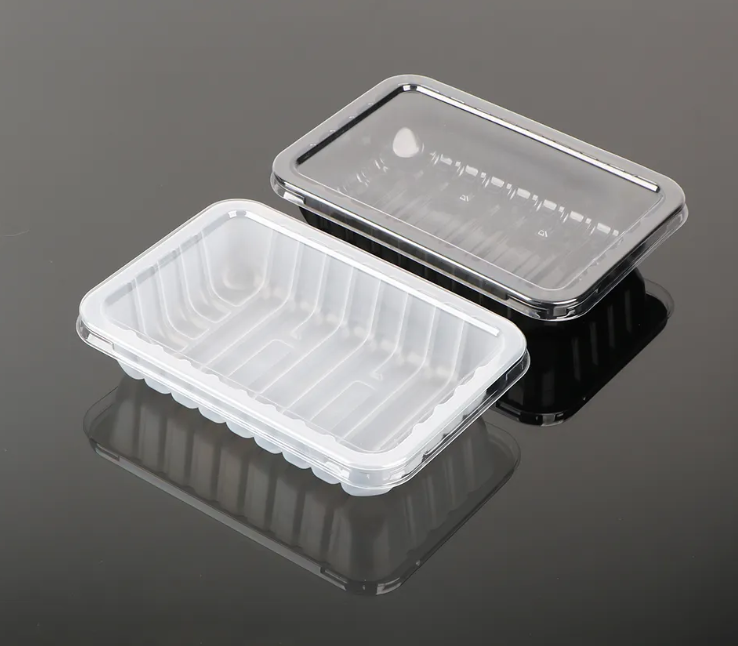
RPET packaging excels in the fresh food sector. Its clarity showcases products appealingly, whether it's a colorful salad, fresh berries, or a decorated cake. The material provides excellent moisture barriers and sufficient rigidity to protect delicate contents. For brands in the meat industry, RPET trays offer a sustainable option for packaging fresh cuts, often compatible with modified atmosphere packaging to extend shelf life. Hengjiang’s specialization in food blister and injection packaging means they can tailor RPET packaging designs to the specific needs of these products, ensuring optimal presentation and protection.
Durability for Logistics and Retail Display
A common misconception is that recycled materials are weaker. In reality, high quality RPET packaging exhibits remarkable durability and impact resistance. This makes it ideal for stacking during transport and storage. Its dimensional stability ensures products arrive in perfect condition for retail display. Hengjiang’s large scale production capacity and 6, 000 square meter storage area further support the reliable supply of consistent RPET packaging, allowing brands to confidently integrate it into their logistics without disruption.
The Future of Sustainable Packaging and Making the Switch
Adopting RPET packaging is a significant step toward a more sustainable future. The trajectory of the industry points toward increased innovation and adoption of circular solutions.
Continuous Innovation and Material Development
The RPET sector is dynamic, with ongoing advancements in recycling technologies and material properties. Future developments may lead to even higher recycled content percentages or enhanced barrier properties. Working with a forward thinking manufacturer provides access to these innovations. Hengjiang’s commitment to R&D, supported by a 200 square meter laboratory and a team of 10 technical managers, ensures they stay at the cutting edge. They can partner with brands to develop customized RPET packaging solutions that meet specific technical and sustainability targets.
Implementing a Successful Transition
For brands considering a switch to RPET packaging, the process involves careful planning. It begins with selecting a reputable supplier that can ensure consistent quality, food safety, and supply chain reliability. Evaluating a supplier’s certifications, production controls, and technical support is key. Hengjiang’s comprehensive approach—from cleanroom manufacturing and in house material testing to large scale production and expert customization support—makes them an ideal partner for such a transition. Their expertise helps brands navigate the shift smoothly, ensuring their new RPET packaging aligns with both environmental objectives and commercial requirements.
In conclusion, RPET packaging represents a powerful sustainable choice for brands, offering a proven path to reduce environmental impact, meet consumer expectations, and support corporate responsibility goals. Its success hinges on partnership with a capable manufacturer that prioritizes both ecology and excellence. Hengjiang, with its modern production base in Zhejiang, China, embodies this balance. Through their state of the art facilities and dedicated focus on food packaging solutions for items from cakes to meats, they deliver RPET packaging that is safe, high performing, and truly sustainable. By choosing to collaborate with an industry leader like Hengjiang, brands can confidently adopt RPET packaging, turning a commitment to the planet into a tangible market advantage.