 EN
Learning From a Remote Audit That Worked
A meat MAP tray protects meat by holding a controlled gas mix inside a sealed pack, and vetting the maker of that tray remotely is now a normal part of procurement. A European importer once needed a meat MAP tray supplier but could not travel to Asia. The team built a remote audit around video walks, certificate checks, and sample testing. That disciplined approach turned a risky overseas purchase into a stable supply line for a meat MAP tray program serving several retail chains.
The buyer learned that a meat MAP tray is only as good as the hygiene and process control behind it. A remote audit cannot replace every on-site check, yet it removed most of the uncertainty. The same method now helps other buyers choose a meat MAP tray partner without boarding a plane, saving time and travel cost while keeping standards high across the whole qualification.
What the Buyer Discovered in the Clean Room
During the video walk, the buyer asked the supplier to show the clean room where the meat MAP tray is formed. The supplier showed a GMP-standard clean workshop with separated material and packing zones. The buyer noted that the meat MAP tray line had documented changeover cleaning, which matters when switching colors or resins. This evidence gave confidence that the meat MAP tray would not carry foreign particles into the pack during a long production run.
The buyer also requested a third-party test against FDA 21 CFR 177 for the tray material. The supplier returned a clear report, and the meat MAP tray passed. A meat MAP tray maker that shares this kind of evidence early is easier to trust than one that promises verbally. The video plus the paper trail became the basis for the first trial order placed with confidence rather than hope at the last minute.
Risks of Skipping the Remote Checklist
Skipping the checklist exposes the buyer to a meat MAP tray that seals poorly or carries contamination. A tray with weak flatness breaks the film seal and lets oxygen in, shortening shelf life. A meat MAP tray from an uncontrolled line may vary in dimension and force constant line adjustment. These are avoidable problems when the buyer asks the right questions before paying a deposit to a new source.
Alius periculum est subministrator qui non potest probare conformitatem ad normas de contactu cum cibis. Vasis carnis pro MAP sine probatione ex FDA 21 CFR 177 aut EU 10/2011 possunt impedi in custodia vel reici a mercatoribus. Emptor debet tractare documenta vasis carnis pro MAP ut partem ipsius producti, non ut papirum optionalem, quia pretium containeris reiecti multo superat pretium diligentis recensionis factae ante.
Quomodo Vasis Carnis pro MAP Realiter Operatur
Vasis carnis pro MAP operatur ut basis rigida pacheti sigillati, ubi gas in spatio capitis disponitur ad retardandum putredinem. Vasis tenet carnem, pellicula claudit gas, et haec combinatio dilatat tempus vendibilitatis. Ergo vasis carnis pro MAP debet esse dimensionum stabile, ut pellicula sigillet sine interstitiis in orlo durante confectione celeri in linea.
The meat MAP tray also manages purge through well shape and optional pads. When the tray fits the cut, the film stays tight and the display face stays clean. Understanding these basics helps a buyer judge a meat MAP tray on engineering rather than on a glossy photo from a sales deck that hides the real production conditions.
Gas Mix and Film Seal Principles
The gas mix in a meat MAP tray typically balances oxygen, carbon dioxide, and nitrogen to hold color and limit bacterial growth. The film must transmit just enough to maintain the mix without leaking. A meat MAP tray with a clean rim lets the film bond fully, which is why rim flatness is tested before mass runs begin. A weak seal defeats the entire gas strategy and wastes good meat that could have sold.
A modified atmosphere packaging setup depends on every component performing. The tray, the film, and the gas ratio are linked, so changing one without testing the others risks failure on the line. Buyers should ask the supplier to confirm film compatibility for the specific tray grade, and to share seal-strength guidance for the packing line so trials start from a known good baseline.
Why Tray Flatness Decides the Seal
Flatness is the quiet hero of a meat MAP tray. If the rim warps during forming, the lidding film cannot bond and the pack leaks gas within days. A meat MAP tray from a well-maintained tool and a controlled cooling step stays flat batch after batch. The buyer should measure rim flatness on samples before approving production, because a poor seal defeats the entire modified atmosphere strategy that protects the product.
A Chinese food packaging factory that controls tooling and cooling produces a meat MAP tray with repeatable flatness. Hengmaster forms trays in a GMP-standard clean workshop and holds BRC certification, with products that pass FDA food-contact testing. For a meat map tray manufacturer china search, that combination of credentials is the practical signal a remote buyer should look for first when qualifying a new source.
A Practical Remote Vetting Checklist
A practical checklist turns remote vetting from guesswork into a repeatable process. The buyer should collect documents, verify the plant, test samples, and confirm shipping before signing. An order placed without this sequence invites avoidable loss that shows up only after the container is already at sea and cannot be corrected quickly by the buyer.
Documents a Meat MAP Tray Maker Must Share
A meat MAP tray maker must share a valid BRCGS certificate, an FDA 21 CFR 177 test report, and details of the resin grade used. The buyer should check certificate dates and the issuing body. A meat MAP tray maker should also provide dimensional drawings and tolerance limits so the packing line can be set correctly. These documents form the foundation of trust in a remote relationship that may span several time zones.
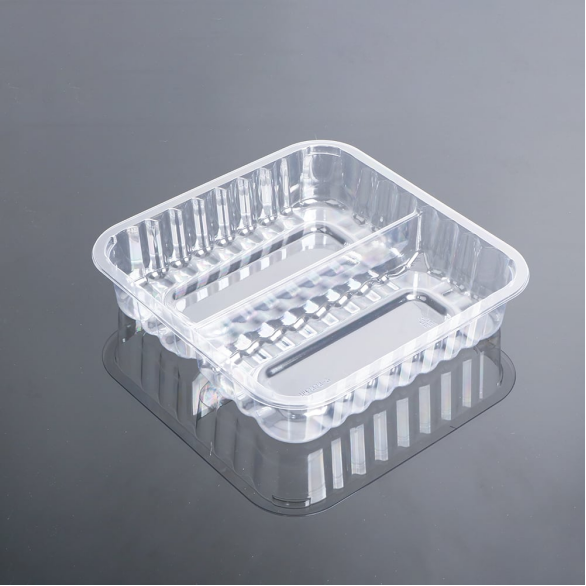
The buyer should ask the meat MAP tray maker for references from similar markets and volumes. A maker that supplies established food brands is easier to assess than one with no track record. Request the meat MAP tray test reports in English so the technical team can review them without translation delays that slow the qualification and the first production slot.
Plant, Sample, and Shipping Verification
Verify the plant with a live video walk of the clean room and the forming line where the tray is made under controlled conditions. Ask to see changeover cleaning records and in-process checks. Then order samples and run a seal trial with the chosen film in the buyer's own cold chain before a full pallet is committed to a sailing that cannot be easily changed later.
Confirm shipping terms in writing, including Incoterms and the freight forwarder. A tray shipped under unclear terms creates disputes later that damage the relationship. Buyers can review the catalog at producta and the company profile at de-nobis , then visit hENGMASTER to start a remote vetting conversation with Hengmaster for a program built on verified evidence and clear logistics.
Quaestiones Frequenter Rogatae
What documents prove a meat MAP tray is food safe?
Responsum: Documenta principalia sunt certificatum BRCGS validum, relatio examinis FDA 21 CFR 177 pro materia vasis, et specificatio gradus resinis. Vasa ad Europam destinata etiam requirunt probationem secundum EU 10/2011. Fabricator vasorum meat MAP debet communicare dies certificatorum et auctorem qui eos emisit, ut emptor eas verificare possit. Haec documenta pars sunt producti, non supplementa optativa, et emptorem protegunt in inspectionibus ad portus et ad commercium.
Num emptor fabricatorem Chinese vasorum meat MAP remoto auditu inspicere potest?
Responsum: Ita, emptor per inspectionem remota per viodeum vivum camerarum purarum et lineae formandae, simul cum inspectione documentorum et exemplorum, auditum facere potest. Fabricator vasorum meat MAP debet ostendere acta de purificatione inter mutationes et controles in processu. Exempla ordinanda sunt et experimentum sigilli in frigida catena emptoris antequam ordo plenus fiat. Fabricator transparens salutationes per viodeum libenter accipit, quod inspectionem remotam practicam magis quam periculosam reddit pro novis societatibus.
Cur planities vasis pro vase meat MAP momenti est?
Responsum: Planities determinat utrum pellicula operientis hermetice claudat sine perditu. Rimus distorsus vasis MAP pro carnibus vinculum rumpit et gas protectivum effundit intra dies paucos, quod durantiam in commerco breviat. Vas ex instrumentis et refrigeratione regulatis planum manet in singulis copiis. Emptor rimum planitatem in exemplaribus metire debet antequam productionem approbet, quia vinculum inperfectum totam strategiam atmosphaerae modificatae irritam facit et productum perdit.
Quae certificata fornitor vasorum MAP pro carnibus tenere debet?
Responsum: Fornitor vasorum MAP pro carnibus BRCGS pro systemate salutis cibariae tenere debet et probationem contactus cum cibo secundum FDA 21 CFR 177 aut EU 10/2011 praebere debet, prout mercatus postulat. Officina munditia consistenti ad normam GMP favet. Hengmaster certificatum BRC tenet et eius producta examen contactus cum cibo FDA superant. Emptores validitatem certificatorum directe apud auctorem verificare debent antequam depositum in novo programma ponant.
Quomodo exemplaria vasorum MAP pro carnibus examinanda sunt?
Responsum: Test the meat MAP tray with the actual lidding film on the buyer's packing line, then store the sealed pack in the normal cold chain. Measure seal strength and check for leaks after twenty-four hours. A meat MAP tray that seals cleanly in this trial will perform on the shelf. Keep the approved sample as the reference for every incoming batch and repeat the trial if the resin grade changes at the plant.
What shipping terms protect a meat MAP tray order?
Responsum: The order should state clear Incoterms, a named freight forwarder, and confirmed loading dates. A meat MAP tray shipped under vague terms creates disputes and delays at the port. Ask the supplier for container tracking from factory to destination. Buyers reduce risk by keeping a safety stock and by choosing a maker with proven peak-season fulfilment rather than one that books freight only after payment clears.