
 EN
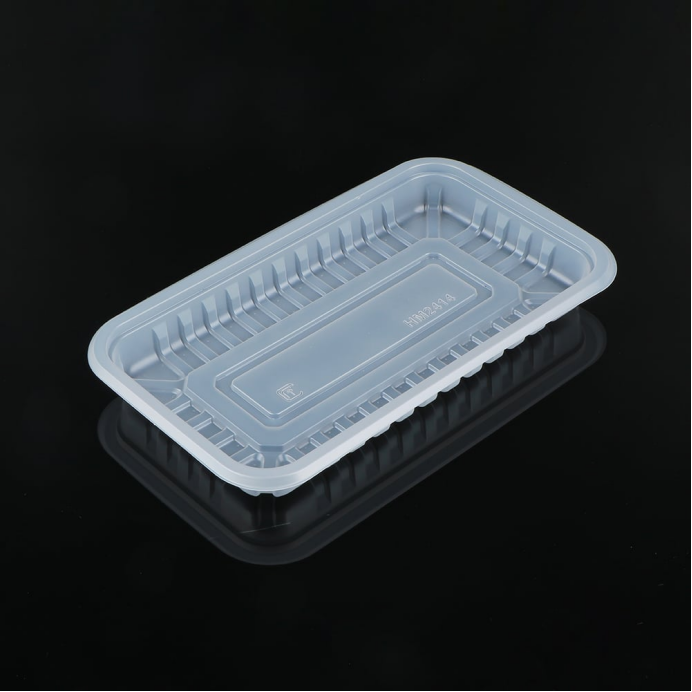
Why Meat Processors Specify Heavy-Duty PP Meat Trays for Packing Lines
A meat tray on a packing line lives a hard life. It is denested, filled, lid-sealed, stacked, palletized, and shipped through a cold chain from the first shift to the last. A heavy-duty meat tray must hold its shape through that routine without cracking, flexing into the product, or losing the MAP seal that protects shelf life. The right tray supports the cut, keeps the lidding film tight, and survives the drop into the wash or scrap bin at end of run. Plants that underestimate this abuse pay for it in leaks, rewraps, and line stoppages that waste film and labor across thousands of packs per day.
A meat tray also reflects the processor's standard. A clean, rigid tray on the retail shelf tells the buyer the product was handled with care. A flimsy tray that bends under a steak suggests carelessness to a purchasing manager auditing the pack. The tray is part of the brand the customer sees before the price, so its quality is a quiet sales tool on the shelf that builds repeat orders and quiet trust with distributors.
What One Processor Learned After Switching Trays
A mid-size meat processor switched to a heavy-duty PP meat tray after months of split foam trays at the lidding station. The old trays bent when stacked three high on the outfeed and tore the film during stretch wrapping, forcing operators to slow the line. After moving to a rigid PP meat tray, the plant cut film tears and rewrap time noticeably. The new tray also nested and stacked neatly, which freed conveyor space during the Saturday peak that defines the week's volume.
This real case shows that a meat tray is a line tool, not just a container. Less rewrapping meant the line served more packs per hour with the same crew. The tray paid for the small unit-price difference through saved labor and fewer damaged packs. The plant later standardized every SKU on the same tray footprint to simplify the wrapping process for new and seasonal staff and to reduce changeover time between runs.
Risks of Thin Trays in High-Volume Packing
A thin tray invites risks that a heavy-duty meat tray avoids. Thin walls flex under stack weight and can puncture the film, exposing the meat to air and voiding the MAP environment. A weak tray also warps near the case lights and loses its seal. The plant that saves a fraction per tray often loses more in leaks, rewraps, and rejected loads from retailers who notice the difference immediately and charge back the supplier.
Another risk is inconsistent wall thickness from a maker that does not control the tool. When the tray varies, some packs seal and some do not, creating random failures on the shelf. A tray from a controlled line removes that variability and keeps the packing line running without constant adjustment or double wrapping that slows the team during peak hours of the week.
How a Meat Tray Handles Line Abuse
A meat tray handles abuse through wall thickness, corner radius, and material choice. A heavier wall resists the compression of stacked trays and the pull of stretch film at line speed. The same toughness also helps when staff rush during holiday rushes and handle many packs in a short window without time for careful placement. A tray with rounded corners distributes load instead of concentrating stress at a sharp edge. These features decide whether the tray reaches the distribution center intact after a full day of handling by several operators and loaders.
The tray should also resist the cold and the condensation of a refrigerated case and a cold chain. A tray that goes brittle near zero degrees cracks during stacking and leaks. The material and the forming process must keep the tray tough through the whole service day, from morning cut to evening cleanup, without sudden failures that surprise the line crew.
Wall Strength and Stacking Load
Wall strength is the first thing a meat tray must prove. A fresh meat tray stacked four high on a pallet places real load on the bottom walls, and a weak tray collapses that layer. A tray with reinforced sidewalls keeps its shape and protects the product above and below through a long shift. The buyer should test stack performance with a full pallet simulation before approving the tray for the plant's busiest day of the week.
A meat tray should also survive the squeeze of stretch wrapping without cracking the rim. The rim is where the film bites, so it must be both flat and strong. A heavy-duty tray designed for this load reduces film waste and keeps the pack presentable. The tray that passes a stack test on the bench will perform on the line without surprise when the real rush arrives.
Why PP Suits Repeated Cold Use
PP, or polypropylene, suits a meat tray because it stays tough at refrigerator temperatures and resists moisture and grease. A PP tray can be used in chill displays and cold-chain transit without going brittle, which matters for a tray handled all day and shipped across regions. A tray in PP also accepts clear lidding film for MAP when the plant wants longer life and fewer markdowns on slow-moving cuts.
A meat tray made from food-grade PP must meet FDA 21 CFR 177 for food contact, and EU sales need EU 10/2011. Hengmaster produces PP trays in a GMP-standard clean workshop and holds BRC certification, with products that pass FDA food-contact testing. A tray from that kind of controlled line gives the plant a verifiable safety and durability baseline for daily service that buyers can audit during supplier qualification.
Choosing a Tray the Plant Can Specify
A meat tray should be specified against the cuts packed, the wrap method, the case temperature, and the line speed. A heavy-duty tray that works for primal cuts may differ from one for ground beef. Test the tray on the actual line before converting the whole plant to a new footprint that changes the wrap routine the team has memorized over years of service.
How to Qualify Trays on Incoming Inspection
Check the meat tray for wall thickness, flat rims, and clean edges on delivery. A warped tray will not seal and will waste film at the lidding station. Measure well depth against the approved drawing and confirm the color matches the signed sample. A tray with flash on the rim can cut film and leak gas in MAP use, which shortens the pack life and the distributed shelf life.
Run a short line trial with the tray and the plant's film. Stack the packs and leave them in the case overnight, then check for deformation or seal loss. A tray that passes this simple trial will survive daily service. Keep the approved sample so every incoming batch can be compared quickly by the receiving clerk who signs for the delivery each morning, and document the result for traceability audits.
Frequently Asked Questions
Why do meat processors prefer a heavy-duty PP meat tray?
Processors prefer a heavy-duty PP meat tray because it survives stacking, stretch wrapping, and repeated handling without bending or cracking. A rigid tray keeps the lidding film tight and the cut protected through a busy day. The tray also cuts rewrap time and film waste at the lidding station. Less damage means fewer leaks and chargebacks, so the small unit-price difference is recovered through saved labor and cleaner packs across high volume.
Is a PP meat tray safe for food contact and export?
A PP meat tray is safe when made from food-grade polypropylene and produced under controlled hygiene. US materials must comply with FDA 21 CFR 177, and EU sales need EU 10/2011. BRCGS certification shows the maker runs a documented food-safety system. Hengmaster holds BRC certification and its trays pass FDA food-contact testing in a GMP-standard clean workshop, giving plants verifiable evidence of compliance for daily use and export documentation.
What should a processor check when qualifying a new tray supplier?
Check wall thickness, flat rims, and clean edges against the approved drawing, and confirm the color matches the signed sample. Run a line trial with the plant's film, stack the packs, and leave them in the case overnight before checking for deformation or seal loss. Require documented certifications (BRC, FDA, EU 10/2011), a stable tool-control process, and a retained approved sample for batch comparison. Keep records for traceability and audit readiness.
What fails when a meat tray is too thin on a packing line?
A thin tray flexes under stack weight and can puncture the film, exposing the meat to air and breaking the MAP seal. It also warps near case lights and loses its seal, causing leaks and rewraps. Inconsistent wall thickness from poor tool control creates random pack failures on the shelf. A tray with reinforced walls avoids these problems and keeps the packing line running smoothly without double wrapping.
Can a PP meat tray be used with MAP film at line speed?
Yes, a PP meat tray can be paired with MAP lidding film to extend shelf life. The tray must have a flat, strong rim so the film seals without leaks on the wrap line. A heavy-duty tray designed for MAP holds the seal better than a flimsy one at high throughput. The maker should confirm film compatibility and share seal guidance so the plant avoids gas loss and wasted film during packing.
What MOQ, lead time, and customization should a processor expect?
A processor sourcing at volume should expect a supplier to quote MOQ by tray size, with lead time tied to tooling and order cadence. Custom footprints, embossing, and color can be specified against the plant's product range, and OEM or private-label runs are common for export. Ask for a retained approved sample, batch-to-batch tolerance, and a palletization plan that fits the plant's inbound and cold-chain handling before committing the annual volume.