 EN
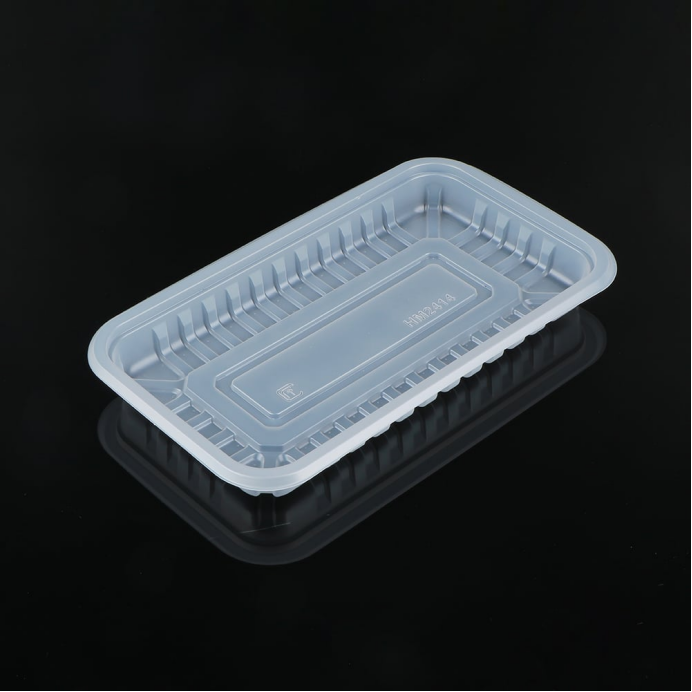
Cur Fabricatores Carnium Praescribunt Vasa Carnium Robusta ex Polypropileno pro Lineis Impacandi?
Vas Carnium in linea impacandi vitam durissimam agit. Eximitur e congerie, impletur, operculum adhaeret, cumulatur, in palletis disponitur, et per catenam frigidam mittitur ab prima ad ultimam vicem. Vas carnium robustum formam suam servare debet per hanc routine sine fractura, sine flexione in ipsam carnem, sine amissione sigilli MAP quod diuturnitatem conservat. Vas idoneum sectionem sublevat, pelliculam operculi tenebricat, et cadentem in vas lavandi aut reiciendi post usum sustinet. Fabricae quae hanc vim subaestimant pretium solvunt in perditis, in renovatis involucris, et in intermissionibus lineae quae pelliculam et laborem per mille pacheta cotidie perdunt.
A meat tray also reflects the processor's standard. A clean, rigid tray on the retail shelf tells the buyer the product was handled with care. A flimsy tray that bends under a steak suggests carelessness to a purchasing manager auditing the pack. The tray is part of the brand the customer sees before the price, so its quality is a quiet sales tool on the shelf that builds repeat orders and quiet trust with distributors.
What One Processor Learned After Switching Trays
A mid-size meat processor switched to a heavy-duty PP meat tray after months of split foam trays at the lidding station. The old trays bent when stacked three high on the outfeed and tore the film during stretch wrapping, forcing operators to slow the line. After moving to a rigid PP meat tray, the plant cut film tears and rewrap time noticeably. The new tray also nested and stacked neatly, which freed conveyor space during the Saturday peak that defines the week's volume.
Hoc verum casu ostendit quod vassum carnis est instrumentum lineae, non tantum vas. Minus involvendo, linea plus fasciculos per horam servavit cum eodem grege. Vassum solvit parvam differentiam pretii unitatis per conservatum laborem et pauciores fasciculos laesos. Postea fabrica standardizavit omnem SKU in eodem vassorum spatio ut processus involvendi simplicior fieret pro novis et seasonalibus operariis et ut tempus mutationis inter operationes minueretur.
Pericula Vassorum Tenuium in Pactione Magni Voluminis
Vassum tenue pericula invitat quae vassum carnis robustum evitat. Parietes tenuis flectuntur sub pondere stratae et pelliculam perforare possunt, carnem aere exponendo et ambientes MAP evacuando. Vassum infirmum etiam torquetur iuxta lucernas casuum et sigillum amittit. Fabrica quae parvam fractionem per vassum salvat saepe plus amittit in perditis, re-involvendis, et reiectis oneribus ab mercatoribus qui statim differentiam notant et suppeditatorem adplicant.
Alius periculum est inconstans crassitudo parietis ab artifice qui non regit instrumentum. Cum vasis variat, quaedam pugnae concluduntur et quaedam non, creans casuales defectus in loco venditionis. Vas ex linea regulata hanc variabilitatem tollit et lineam impactionis currentem tenet sine constanti adiustamento aut duplici involucro quod aequipe tardat dum tempus maximum hebdomadis agitur.
Quomodo Vas Carnis Abusum Lineae Sustinet
Vas carnis abusum sustinet per crassitudinem parietis, radium angulorum, et electionem materiae. Crassior paries resistit compressioni vasorum superpositorum et trahentis pelliculae extensibilis ad velocitatem lineae. Eadem fortitudo etiam iuvat cum personale festinat dum festa celebrantur et multa pugnae manu tractat in brevi spatio sine tempore pro cautela collocatione. Vas cum angulis rotundatis onera distribuit potius quam stressum in acuto margine concentrat. Haec characteristicae decernunt utrum vas ad centrum distributionis integre perveniat post plenum diem tractationis a pluribus operatoribus et oneratoribus.
The tray should also resist the cold and the condensation of a refrigerated case and a cold chain. A tray that goes brittle near zero degrees cracks during stacking and leaks. The material and the forming process must keep the tray tough through the whole service day, from morning cut to evening cleanup, without sudden failures that surprise the line crew.
Wall Strength and Stacking Load
Wall strength is the first thing a meat tray must prove. A fresh meat tray stacked four high on a pallet places real load on the bottom walls, and a weak tray collapses that layer. A tray with reinforced sidewalls keeps its shape and protects the product above and below through a long shift. The buyer should test stack performance with a full pallet simulation before approving the tray for the plant's busiest day of the week.
A meat tray should also survive the squeeze of stretch wrapping without cracking the rim. The rim is where the film bites, so it must be both flat and strong. A heavy-duty tray designed for this load reduces film waste and keeps the pack presentable. The tray that passes a stack test on the bench will perform on the line without surprise when the real rush arrives.
Why PP Suits Repeated Cold Use
PP, or polypropylene, suits a meat tray because it stays tough at refrigerator temperatures and resists moisture and grease. A PP tray can be used in chill displays and cold-chain transit without going brittle, which matters for a tray handled all day and shipped across regions. A tray in PP also accepts clear lidding film for MAP when the plant wants longer life and fewer markdowns on slow-moving cuts.
A meat tray made from food-grade PP must meet FDA 21 CFR 177 for food contact, and EU sales need EU 10/2011. Hengmaster produces PP trays in a GMP-standard clean workshop and holds BRC certification, with products that pass FDA food-contact testing. A tray from that kind of controlled line gives the plant a verifiable safety and durability baseline for daily service that buyers can audit during supplier qualification.
Choosing a Tray the Plant Can Specify
A meat tray should be specified against the cuts packed, the wrap method, the case temperature, and the line speed. A heavy-duty tray that works for primal cuts may differ from one for ground beef. Test the tray on the actual line before converting the whole plant to a new footprint that changes the wrap routine the team has memorized over years of service.
How to Qualify Trays on Incoming Inspection
Controlla il vassoio per carne per spessore della parete, bordi piani e margini puliti al momento della consegna. Un vassoio deformato non sigillerà correttamente e sprecherà pellicola alla stazione di copertura. Misura la profondità del vano rispetto al disegno approvato e verifica che il colore corrisponda al campione firmato. Un vassoio con bava sul bordo può tagliare la pellicola e causare perdite di gas nell’uso MAP, riducendo la durata dell’imballaggio e quella della conservazione in distribuzione.
Esegui una breve prova in linea con il vassoio e la pellicola dell’impianto. Impila gli imballaggi e lasciali nella scatola per tutta la notte, quindi controlla se si sono deformati o se hanno perso la tenuta. Un vassoio che supera questa semplice prova resisterà all’uso quotidiano. Conserva il campione approvato in modo che ogni partita in ingresso possa essere confrontata rapidamente dall’addetto alla ricezione, che firma la consegna ogni mattina; documenta inoltre il risultato per le verifiche di tracciabilità.
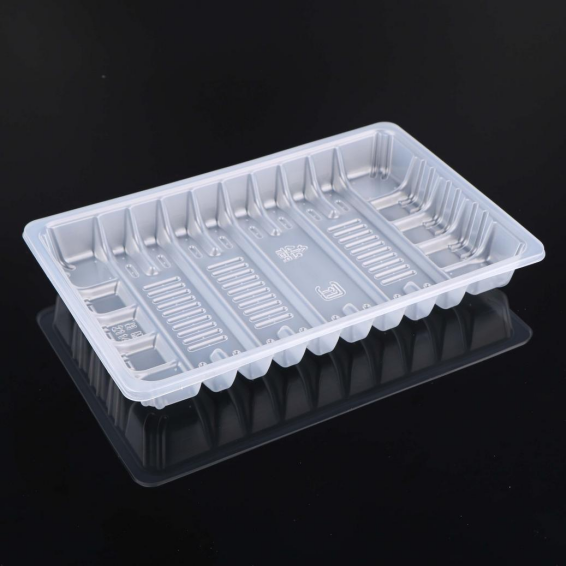
Quaestiones Frequenter Rogatae
Perché i trasformatori di carne preferiscono un vassoio per carne in PP ad alta resistenza?
Processors prefer a heavy-duty PP meat tray because it survives stacking, stretch wrapping, and repeated handling without bending or cracking. A rigid tray keeps the lidding film tight and the cut protected through a busy day. The tray also cuts rewrap time and film waste at the lidding station. Less damage means fewer leaks and chargebacks, so the small unit-price difference is recovered through saved labor and cleaner packs across high volume.
Is a PP meat tray safe for food contact and export?
A PP meat tray is safe when made from food-grade polypropylene and produced under controlled hygiene. US materials must comply with FDA 21 CFR 177, and EU sales need EU 10/2011. BRCGS certification shows the maker runs a documented food-safety system. Hengmaster holds BRC certification and its trays pass FDA food-contact testing in a GMP-standard clean workshop, giving plants verifiable evidence of compliance for daily use and export documentation.
Quid debet inspicere processor, dum novum fornitoris vassorum probat?
Inspecte spissitudinem parietis, planos limbes, et limpidos orbes ad schemata approbata, et confirma colorem convenire cum exemplari signato. Fac experimentum lineare cum pellicula fabricae, congera paccata, et relinque ea in casside per noctem antequam inspicias deformationem aut amissionem sigilli. Exige certificata documentata (BRC, FDA, EU 10/2011), stabilem processum controllo formarum, et exemplar approbatum retentum pro comparatione partium. Serva acta pro traciabilitate et paratus ad examen.
Quid deficit, cum vassum carnis est nimis tenue in linea impacandi?
Vassum tenue flectitur sub pondere congeris et potest perforare pelliculam, exponens carnem aere et rumpens sigillum MAP. Etiam torquetur iuxta lucernas cassidis et amittit sigillum, causans effusiones et reimpacationes. Spissitudo parietis inconstans ex malo controllo formarum creat defectus paccatorum casuales in scapha. Vassum cum parietibus renfortibus vitat haec mala et servat lineam impacandi currentem sine duplici impacatione.
Can a PP meat tray be used with MAP film at line speed?
Yes, a PP meat tray can be paired with MAP lidding film to extend shelf life. The tray must have a flat, strong rim so the film seals without leaks on the wrap line. A heavy-duty tray designed for MAP holds the seal better than a flimsy one at high throughput. The maker should confirm film compatibility and share seal guidance so the plant avoids gas loss and wasted film during packing.
What MOQ, lead time, and customization should a processor expect?
A processor sourcing at volume should expect a supplier to quote MOQ by tray size, with lead time tied to tooling and order cadence. Custom footprints, embossing, and color can be specified against the plant's product range, and OEM or private-label runs are common for export. Ask for a retained approved sample, batch-to-batch tolerance, and a palletization plan that fits the plant's inbound and cold-chain handling before committing the annual volume.