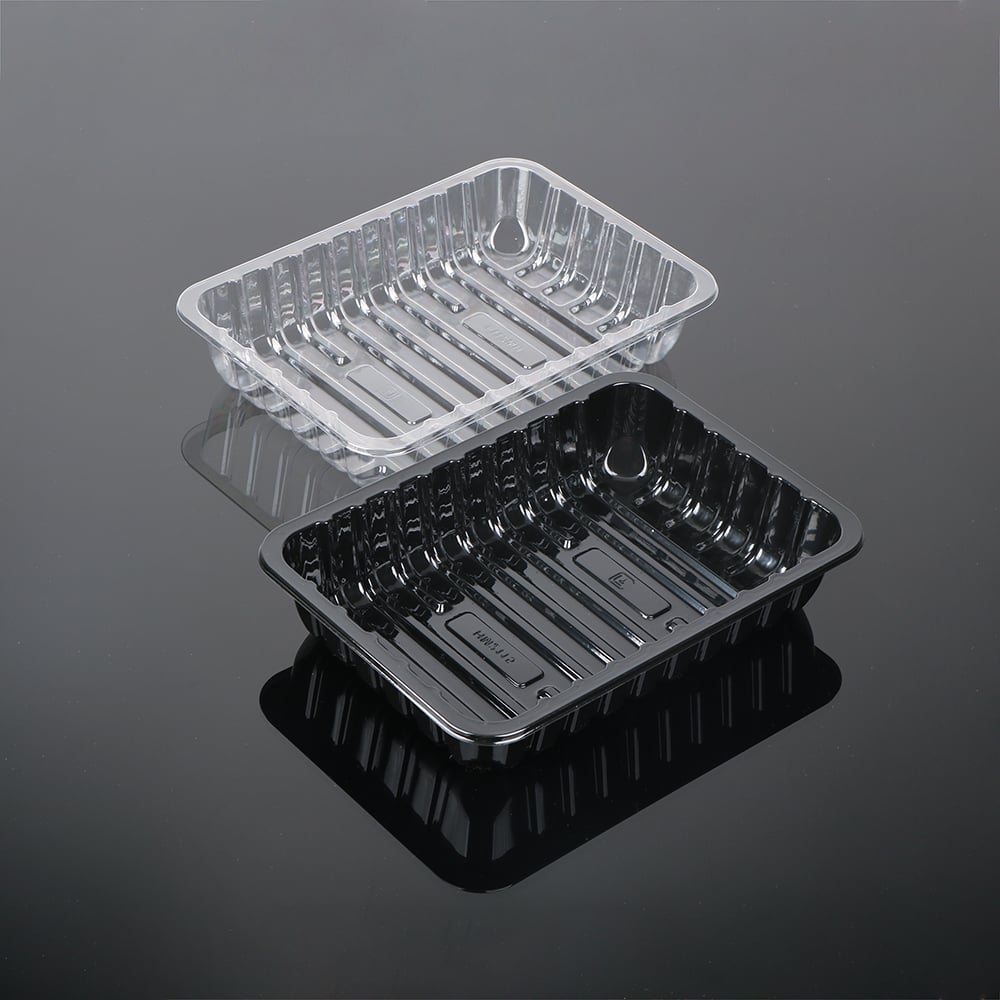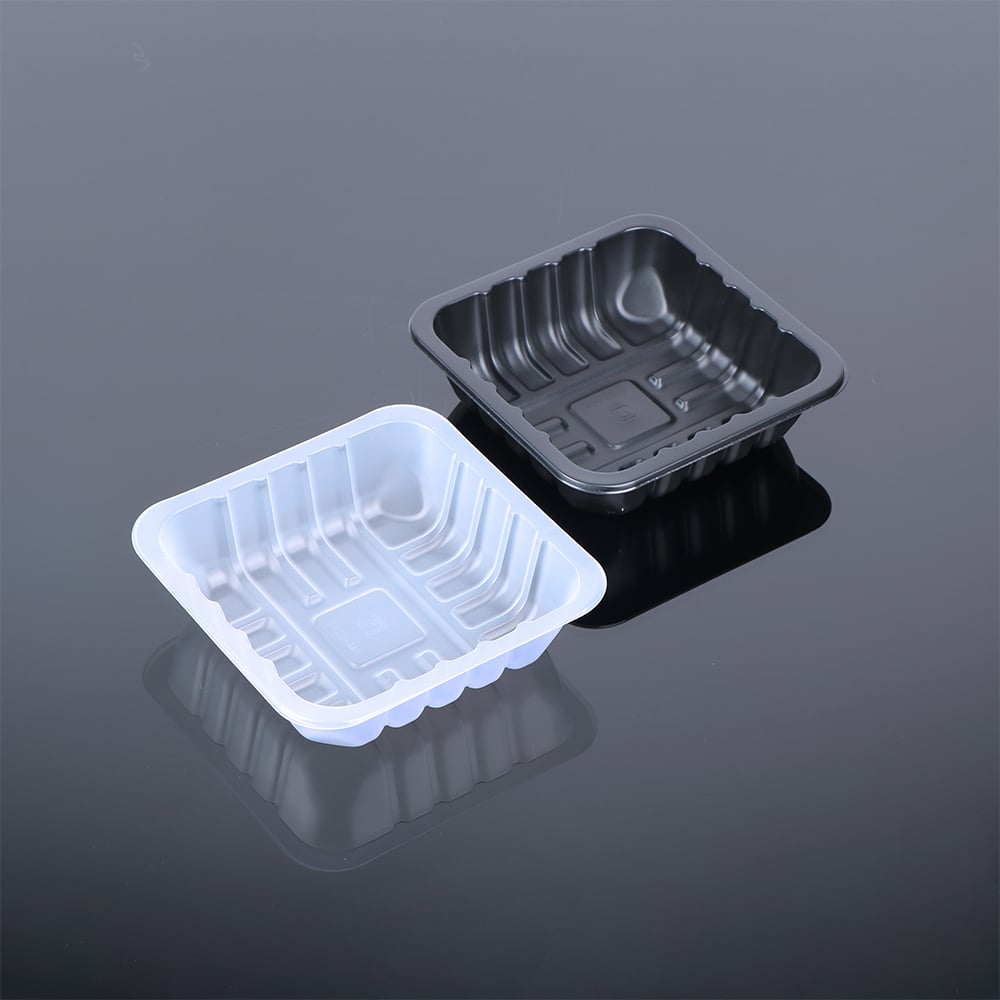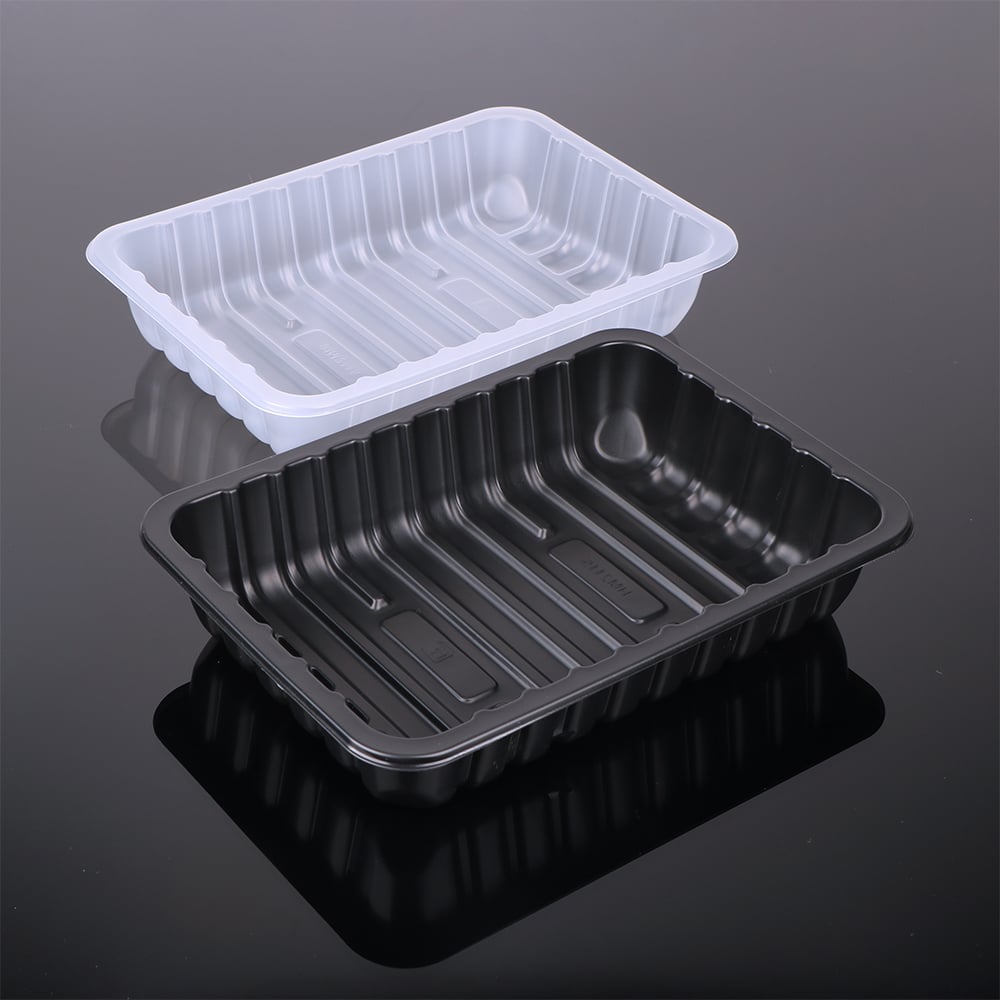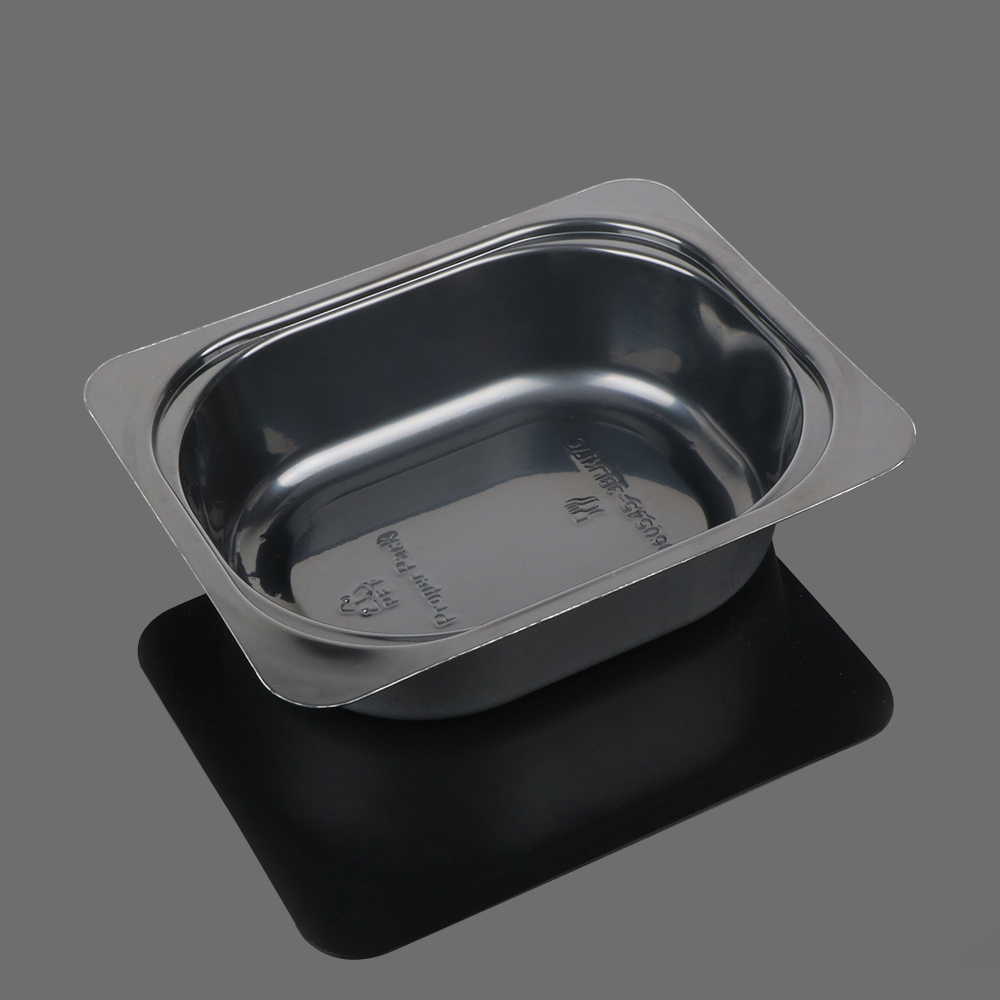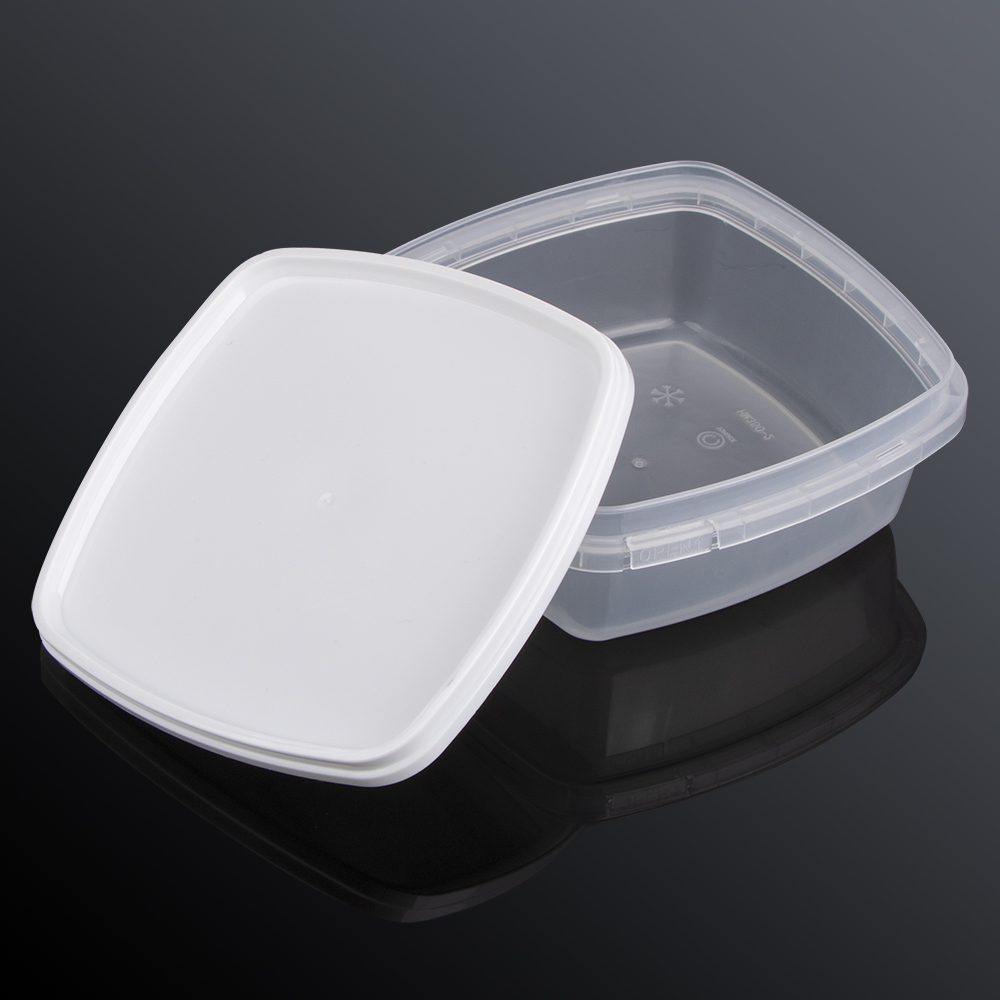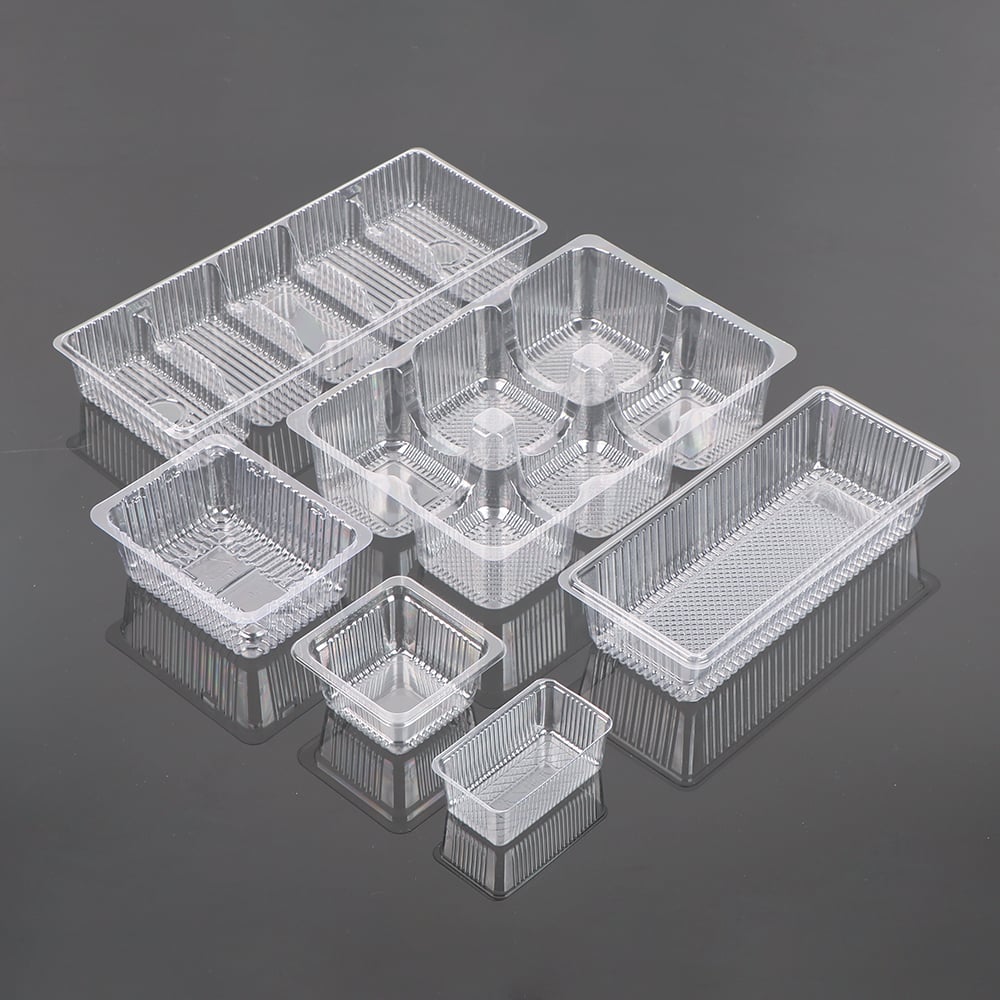
If your fresh meat, poultry, or seafood line is bleeding margin to shelf-life loss, drip leakage, or retailer rejections, the root cause is almost always the same: the wrong packaging tray. In modern cold-chain retail, the Modified Atmosphere Packaging (MAP) tray is no longer optional — it is the single component that determines whether your product reaches the consumer looking premium, or gets pulled from the shelf on day three.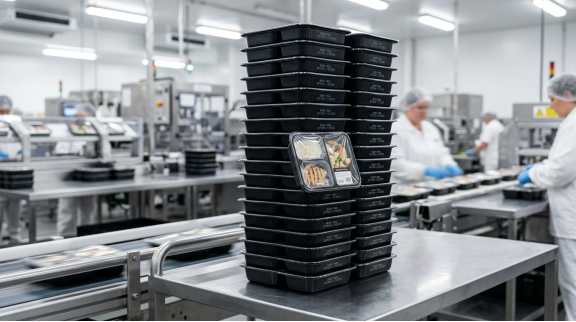
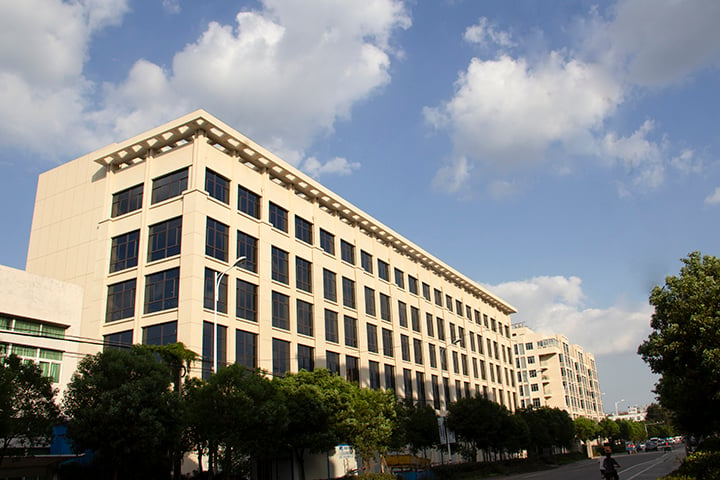
Hengmaster MAP trays — produced in a 3,000 m2 GMP Class-100K clean workshop.
This guide walks B2B procurement managers, R&D engineers, and category buyers through everything you need to specify, source, and scale high-barrier MAP trays in 2026 — from material science to supplier qualification.
What Is a High Barrier MAP Tray?
A MAP tray (Modified Atmosphere Packaging tray) is a rigid plastic container engineered to be sealed with a top film while a controlled gas mixture — typically CO2, N2, and a small percentage of O2 — is flushed inside. The goal is simple: slow down microbial growth and oxidation so fresh products last 3 to 5 times longer without preservatives.
A "high barrier" MAP tray adds a critical layer: an EVOH (ethylene vinyl alcohol) core sandwiched between PP or PET, which blocks oxygen ingress to less than 5 cm3/m2/day — roughly 100x better than standard mono-material trays.
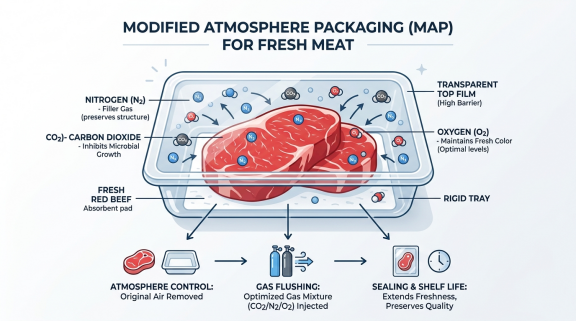
The MAP principle: a tailored gas mix replaces ambient air to inhibit spoilage.
|
Packaging Type |
Shelf Life (Fresh Beef) |
Retail Appeal |
Drip Control |
|
Cling film overwrap |
2-3 days |
Low |
Poor |
|
Vacuum bag |
14-21 days |
Low (compressed look) |
Good |
|
High barrier MAP tray |
10-15 days |
High (bloom red color preserved) |
Excellent |
|
VSP (Vacuum Skin) tray |
21-28 days |
Premium |
Excellent |
For supermarket-shelf-ready fresh meat where color, presentation, and absorbency drive impulse purchase, MAP remains the gold standard.
Not all MAP trays are created equal. The right material depends on your temperature range, retort requirements, and sustainability goals.
Crystalline PET (CPET) withstands temperatures from -40°C up to +220°C, making it the only choice for chilled or frozen ready meals that consumers heat in a conventional oven. Hengmaster CPET trays are commonly specified for airline meals, frozen lasagna, and roast poultry.
Polypropylene (PP) is the workhorse of fresh meat packaging: lightweight, microwavable to 110°C, fully heat-sealable, and 15-25% cheaper than CPET. With an EVOH barrier layer, PP MAP trays deliver 10-14 days of fresh-meat shelf life at an unbeatable cost per unit.
When buyers need crystal-clear visibility of the product (think sliced deli meats, salmon fillets, fresh pasta), rPET or APET MAP trays are the answer. They tolerate -20°C to +70°C and can be supplied with up to 80% post-consumer recycled content to meet EU PPWR 2025 obligations.
For premium beef, lamb chops, and seafood destined for high-end retailers like Tesco Finest, Lidl Deluxe, or Whole Foods, the multilayer PP/EVOH/PP structure is non-negotiable. Oxygen transmission drops below 2 cm3/m2/day, locking in bloom color and extending shelf life to 15+ days.
Sourcing MAP trays from China is straightforward — sourcing consistent, audit-ready MAP trays is not. Use this checklist before placing your first PO:
Demand current copies of FDA 21 CFR 177.1520 (PP), 177.1630 (PET), and EU Regulation 10/2011 migration test reports. A serious supplier will share them on day one.
A genuine MAP tray factory operates a Class 100,000 (ISO 8) clean workshop at minimum. Ask for the latest particle count report. Hengmaster, for reference, runs a 3,000 m2 GMP-grade Class 100K cleanroom with positive pressure airlocks.
The dimensional stability of a MAP tray — critical for heat-seal integrity — depends entirely on the forming press. Tier-1 suppliers run automatic in-line thermoformers (Kiefel, GN, or domestic equivalents with +/-0.1 mm tolerance) paired with automatic PET/PP sheet extruders so the resin never leaves the controlled environment.
Your MAP tray must seal cleanly with PE/EVOH/PE top film at 140-180°C in under 1.2 seconds. Request a seal-strength report (target: >= 25 N/15 mm) and a leak test using methylene blue or pressure decay.
Demand a 30-day shelf-life trial with your actual product, your gas mix (typical: 70% O2 / 30% CO2 for red meat), and your sealing line. Reputable suppliers will support the trial and adjust tray geometry if needed.
|
Specification |
Standard Range |
|
Materials |
CPET, PP, PP/EVOH/PP, APET, rPET |
|
Compartments |
1 / 2 / 3 / 4 / multi-cavity |
|
Tray Dimensions |
100-300 mm length, 80-250 mm width |
|
Depth |
15-80 mm |
|
OTR (with EVOH) |
< 2 cm3/m2/day |
|
Temperature |
-40°C to +220°C (CPET) |
|
MOQ |
50,000 pcs (custom mold), 10,000 pcs (stock) |
|
Lead Time |
15-25 days |
|
Certifications |
FDA, LFGB, EU 10/2011, ISO 9001, BRC |
Hengmaster has spent over a decade engineering MAP trays for European, North American, and Australian food processors. With 13,000 m2 of production area, an in-house 200 m2 QC laboratory, and 50+ specialized operators, we deliver the consistency global retailers demand.
Request a free MAP tray sample kit — including CPET, PP, and high-barrier EVOH variants — and a custom shelf-life simulation, by emailing [email protected] or visiting https://www.hengmaster.com/contact.
Internal Link Suggestions
 Hot News
2026-05-29
2026-05-29
2026-03-05
Copyright © 2025 by Zhejiang Hengjiang Plastic Co., Ltd. - Privacy policy
 EN
EN