
 EN
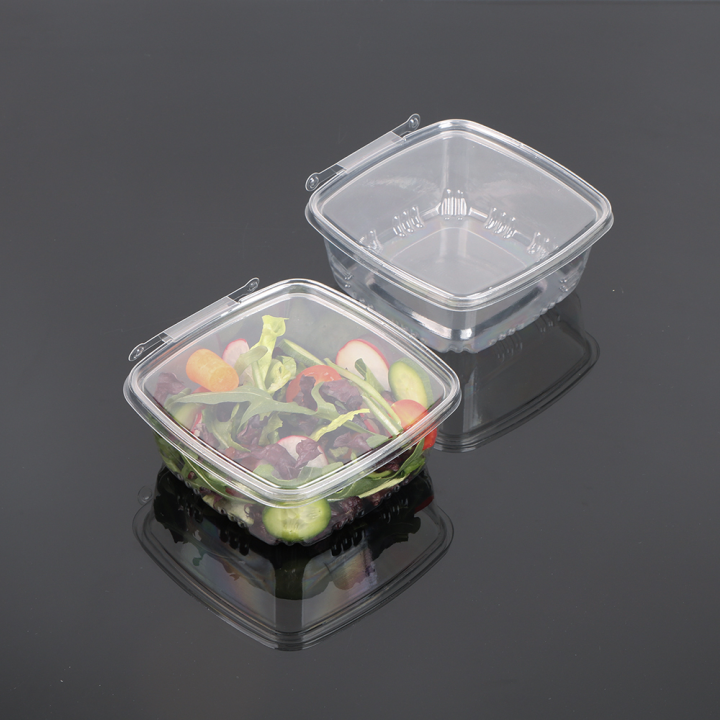
Why Is Plastic Food Packaging for Salad Designed with Clear Lids?
A neighborhood grocery with a busy prepared-foods counter switched its salad line from solid- color bowls to plastic food packaging for salad with clear lids. The change looked cosmetic. The results were not. Self-serve volume rose, staff spent less time describing each item, and the deli reduced toss-outs from wilted or dressed-too-early product. The clear lid did quiet work: it let the food sell itself and kept the dressing where it belonged.
The wilted-leaf complaint
Before the switch, opaque lids hid early spoilage. A customer would open a container at home to find limp greens, then blame the store. With clear lids, that same wilt showed on the shelf, where staff pulled it before sale. Visibility turned a post-purchase complaint into a pre-purchase control.
How clear lids changed throughput
Shoppers scanned the case and grabbed what looked right. Employees restocked faster because they could see fill levels without lifting lids. The plastic food packaging for salad with a clear top simply moved product with less friction, which matters during a lunch rush when every second counts.
The Risk of Selling Salad Blind
Hiding the product invites the exact problems a fresh category cannot afford.
Hidden spoilage and dressing leaks
Without a clear view, a broken seal or leaked dressing stays unseen until opened. By then the food is home and the brand is faulted. Clear lids surface these faults early, on the shelf, where a quick pull protects every other customer.
Cross-contamination on the shelf
Salad sits beside other refrigerated items. A cloudy or opaque lid hides whether a lid snapped shut or a fork touched the surface. Clear plastic food packaging for salad makes those checks instant, supporting the hygiene discipline a cold case demands.
Why Clear Lids Work for Salad
The design answers two jobs at once: show the food, separate the wet.
Seeing texture and color
Salad quality reads through the eyes first. Crisp leaves, bright vegetables, and clean cut surfaces signal freshness. A clear lid lets that signal travel across the case. When the plastic food packaging for salad reveals real texture, the buyer trusts the purchase before the lid lifts.
Keeping dressings separate until eating
Most clear-lid salad packs use a compartment or a separate cup for dressing. The lid stays clear, but the wet stays apart until the customer mixes it. That separation preserves crunch and prevents the soggy result that kills repeat sales.
What Food Standards Require for Salad Packaging
Salad is high-moisture, ready-to-eat food, so material rules matter more than for dry goods.
FDA 21 CFR and EU 10/2011
Food-contact plastics must meet FDA 21 CFR 177 in the United States or EU 10/2011 in Europe, with migration limits set for the substance and the food type. Salad's water and acid content make migration testing essential, not optional, for any plastic food packaging for salad placed on a retail shelf.
How to Choose and Use Salad Packaging
Specifying the right pack protects freshness and speeds sales.
A buyer's selection checklist
Confirm food-contact compliance and migration data for acidic, high-moisture food. Choose PET or rPET for clarity, or PP where heat or cost directs. Check the lid seal and the dressing compartment. Verify anti-fog so the view stays clear in the cold case. Hengmaster's sales team shares full spec sheets, migration reports, and samples, so buyers can compare fairly before ordering.
Storage and handling tips
Keep packs away from heat and sunlight to avoid warping. Rotate FIFO so older stock sells first. Wipe condensation from the case so the clear lid stays readable. Train staff to close lids fully after any display touch. Clean handling keeps plastic food packaging for salad working as designed.
Frequently Asked Questions
Question: Why do salad containers use clear lids instead of colored ones?
Answer: Clear lids let shoppers see texture, color, and freshness before buying, which builds trust for a ready-to-eat product. They also help staff spot wilting or leaks on the shelf. Colored lids hide those signals and shift the risk to the customer's kitchen, where complaints and returns start.
Question: Is plastic food packaging for salad safe for acidic dressings?
Answer: Safety depends on compliant resin and migration testing under EU 10/2011 or FDA 21 CFR 177. Acidic dressings can interact with the wrong plastic, so the material must be rated for contact with vinegar- or citrus-based food. Buyers should request the migration report for the specific dressing type before use.
Question: Can salad packaging be recycled?
Answer: PET and rPET salad containers enter common recycling where local systems accept them, while PP lids often need separate streams. Rinse food soil first, since grease blocks recycling. Choosing rPET content also supports circular supply. The clear lid does not hurt recyclability, but mixed materials and residue do.
Question: Should dressing sit in the same compartment as the salad?
Answer: No. Keeping dressing in a separate cup or compartment preserves crispness and prevents soggy leaves. The clear lid still shows both sections, so visibility is kept without mixing. Separating wet and dry is the main reason plastic food packaging for salad uses divided or cup- based designs.
Question: What temperature should salad stay at in display?
Answer: Ready-to-eat salad should stay at or below 4°C (40°F) in display and transit to slow bacterial growth. The clear lid supports monitoring because staff can see the product without opening it. A cold case that drifts above this range risks spoilage regardless of how good the packaging is.
Question: What certificate proves salad packaging is food safe?
Answer: Request FDA 21 CFR or EU 10/2011 compliance, a migration test report for moist acidic food, and evidence of ISO 22000 or HACCP controls. NSF/ANSI 51 helps for North American use. These documents confirm plastic food packaging for salad meets safety rules, not just visual appeal.
Get Clear-Lid Salad Packaging Samples from Hengmaster
Hengmaster supplies clear-lid PET and rPET salad containers with separate dressing cups, anti-fog options, and FDA 21 CFR or EU 10/2011 compliance documents. Request free samples and spec sheets for your salad line, and our team will match the right pack to your portion sizes and cold-case setup.