
 EN
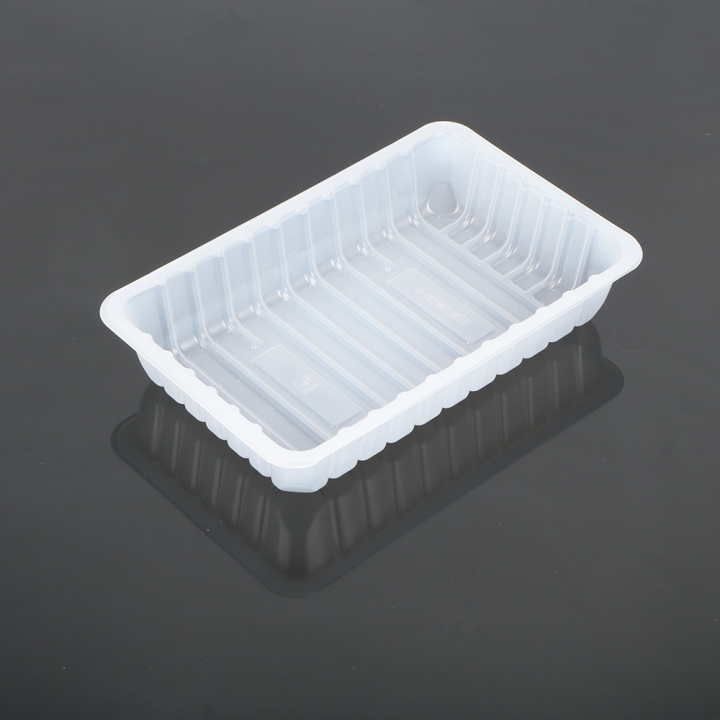
Are Frozen Meat Trays Engineered Not to Crack in the Cold?
A distributor shipping portioned beef to foodservice customers opened a container one winter and found a row of trays split along the base. The load had been held at temperature, yet the frozen meat tray walls had fractured during handling. The supplier had specified a standard room-temperature PP grade, not an impact-modified cold-rated resin. The cracked units leaked purge and triggered a hold. The failure was engineering, not accident.
The cracked tray in transit
Investigation showed the trays were fine at ambient but lost impact strength below freezing. A fork truck jolt that a warm tray would shrug off snapped the cold one. Because the fracture happened inside sealed packaging, it stayed hidden until the receiver broke the wrap. Cold-rated design would have absorbed the hit.
What the recall risk looked like
A cracked frozen meat tray is not just a cosmetic miss. It exposes product, invites cross-contact, and forces a hold or recall. The distributor documented the lot, notified the customer, and required a material change. That episode is why cold-chain buyers now ask specifically about low-temperature rating before they order.
The Risk of Cracking in Freezer Conditions
Freezers are punishing environments for the wrong plastic.
Brittle failure at low temperature
Most plastics lose impact resistance as temperature drops. A resin that feels tough at 20°C can turn brittle near -18°C. Without impact modifiers, a frozen meat tray cracks under the ordinary bumps of a cold chain: stacking, sliding, and pallet shifts. Brittleness, not load weight, causes most field failures.
Leakage and contamination
A crack lets purge and juices escape, contaminating adjacent packs and the case. In a frozen environment that liquid refreezes into a bond that tears labels and mixes lots. The frozen meat tray that fails this way becomes a food-safety event, not a packaging footnote.
Why Some Trays Crack and Others Don't
The difference is formulation and gauge, decided long before the freezer.
Impact modifiers and crystallinity
Impact-modified PP and certain copolymers keep flexibility at low temperature, absorbing shock instead of fracturing. Crystallinity control matters: too high makes the wall rigid and brittle; balanced formulation holds toughness. A frozen meat tray built for cold uses these adjustments deliberately, not by luck.
Wall gauge and temperature rating
Heavier walls resist cracking better, but only if the resin itself is cold-rated. Buyers should ask for the tested temperature range, not just the material name. A tray rated to -20°C or lower gives margin for real cold-chain swings that a nominal PP grade never intended to face.
Standards for Food-Safe Frozen Trays
Cold performance must sit on a base of food-safety compliance.
FDA 21 CFR and EU 10/2011
Food-contact resin must meet FDA 21 CFR 177 in the United States or EU 10/2011 in Europe, with migration limits verified for the food and temperature. A frozen meat tray that meets these rules keeps the meat safe even as the plastic flexes through freeze and thaw cycles.
How to Select and Use Frozen Meat Trays
Specifying for cold avoids the winter failure pattern.
A buyer's specification checklist
Request the low-temperature impact rating and the test method. Confirm food-contact compliance for meat and fat content. Match wall gauge to portion weight and stack height. Ask for purge resistance and seal strength. Hengmaster's engineering team provides documented cold-rating data with the test method, which turns a guess into a documented choice for the frozen meat tray.
Handling and defrost best practice
Avoid dropping stacked pallets and sudden impacts at low temperature. Do not rush defrost with heat that stresses the wall; thaw within the cold chain where possible. Inspect incoming trays for micro-cracks before loading. Clean, careful handling extends the life of every frozen meat tray on the floor.
Frequently Asked Questions
Question: Can normal plastic trays be used in the freezer?
Answer: Ordinary room-temperature grades often turn brittle near -18°C and crack under minor impact. A purpose-built frozen meat tray uses impact-modified resin rated for low temperature. Using a standard tray in the freezer risks fractures, leaks, and contamination. Buyers should confirm the tested cold rating before placing the product in frozen storage.
Question: What temperature can a frozen meat tray handle?
Answer: Rating varies by resin, but cold-rated PP trays commonly perform down to -20°C or lower. The key is the supplier's tested range, not the generic material name. A frozen meat tray rated with a documented low-temperature impact test gives margin for real cold-chain swings that nominal grades cannot survive.
Question: Is a cracked frozen tray a food safety problem?
Answer: Yes. A crack exposes meat to the environment and lets purge contact other packs, raising cross-contamination risk. It can force a hold or recall. Any frozen meat tray that fractures in storage should be removed and the lot checked, because the breach breaks the protective barrier the packaging exists to provide.
Question: Which material is best for frozen meat trays?
Answer: Impact-modified polypropylene is the common choice because it stays flexible and tough at low temperature and meets food-contact rules. PET can work but is more brittle when cold unless modified. The best frozen meat tray pairs the right resin with sufficient wall gauge for the portion and stack load.
Question: How should frozen trays be stored before use?
Answer: Keep them in the dry, temperature-stable area recommended by the supplier, away from heat and sunlight that can pre-stress the resin. Rotate FIFO so older stock ships first. Avoid throwing or dropping stacked units, since impacts at low temperature are exactly what a frozen meat tray is engineered to survive.
Question: What certification proves a frozen tray is food safe?
Answer: Request FDA 21 CFR or EU 10/2011 compliance with migration data for meat and fat, plus ISO 22000 or HACCP evidence. NSF/ANSI 51 supports North American food-equipment use. These documents confirm the frozen meat tray meets both food-safety and low-temperature performance expectations before purchase.
Spec a Cold-Rated Frozen Meat Tray with Hengmaster
Hengmaster manufactures impact-modified PP frozen meat trays rated for cold-chain use, with FDA 21 CFR and EU 10/2011 compliance documents and low-temperature impact test data on request. Share your portion weight, stack height, and cold-chain profile, and our engineers will recommend the right resin and wall gauge for your line.