
 EN
How to Extend Raw Meat Shelf Life in Commercial Cold Storage: A Complete Guide
A butcher supplying local restaurants once loaded a delivery van before the reefer unit reached temperature. The meat sat in warm air for twenty minutes during loading. Within two days several boxes showed slime and off-odor at the client kitchen. The butcher pulled the lot, ate the cost, and rebuilt the loading rule around pre-chilled vehicles. The lesson was simple: shelf life is won or lost at the temperature boundary, and knowing how to keep raw meat fresh longer at home or in business starts there.
The warm-loading mistake
The failure trace was not the cut or the age. It was the time the product spent above the safe band during transfer. Bacteria that had been controlled by cold multiplied in those minutes. The butcher's recovery came from discipline: chill the truck, stage the boxes in a cold room, and move fast.
What proper chilling recovered
After the rule change, spoilage claims dropped and the same cuts lasted longer at the client end. The product reached the kitchen closer to its ideal state, giving cooks more usable days. The fix was simple discipline: respect the cold boundary at every single transfer.
The Risk of Short Meat Shelf Life
Short shelf life is not just waste. It is a safety and liability exposure.
Bacterial growth curves
Pathogens such as Salmonella and Listeria double on schedules measured in hours once meat enters the danger zone between roughly 4°C and 60°C (40°F to 140°F). A short excursion can push counts past safe limits before the meat looks bad. Controlling time and temperature is the only reliable lever.
Cross-contamination hazards
Raw meat juices carry bacteria that spread to surfaces, hands, and ready-to-eat food. Poor storage lets trays drip onto other items. Safe storage means separating raw from cooked and containing every leak, not just lowering the thermometer.
The Science of Keeping Meat Fresh
Freshness is a function of temperature, packaging, and atmosphere.
Temperature and the danger zone
Cold slows microbial metabolism; it does not stop it. Holding raw meat at or below 0°C to 4°C (32°F to 40°F) keeps growth slow and preserves texture. Each hour above that band compounds spoilage. This is the core of any raw meat storage plan, at home or in a cold store.
Packaging and atmosphere control
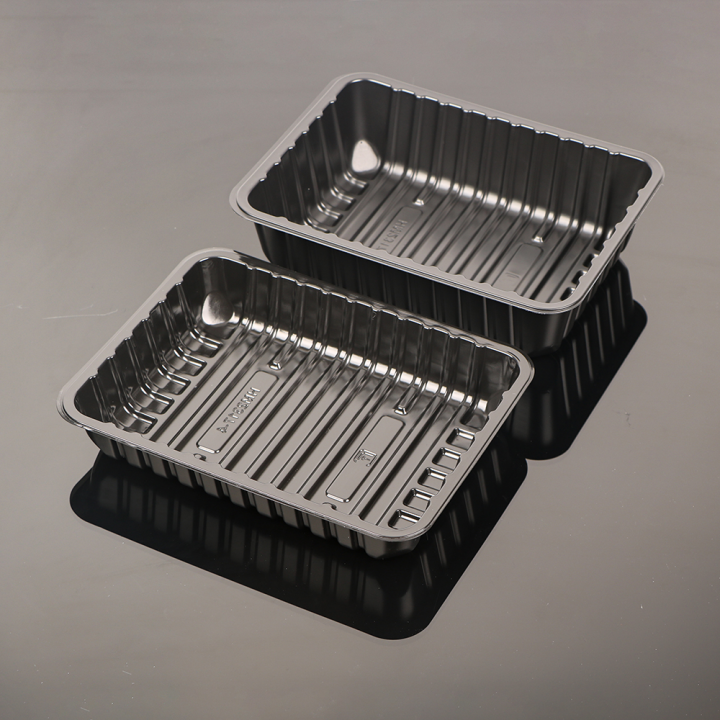
Vacuum and modified-atmosphere packs lower oxygen so aerobic spoilage bacteria slow. Tight, intact trays prevent purge loss and contamination. The right film breathes just enough for fresh cuts and seals fully for portions. Packaging is the quiet partner in any freshness plan, from the home fridge to the cold chain. Leak-proof, food-contact trays, such as Hengmaster's meat trays, contain purge and keep raw juices from reaching other products.
What Standards Govern Meat Storage
Meat handling is among the most regulated food areas for good reason.
USDA and FDA food code references
In the United States, the FDA Food Code sets cold-holding at 5°C (41°F) or below for refrigerated food, while USDA rules cover meat inspection and labeling. These references define the safe boundary that every storage plan must respect to keep product both legal and safe.
How to Keep Raw Meat Fresh Longer
A repeatable routine beats occasional effort.
A step-by-step cold storage checklist
Pre-chill transport and staging areas. Load meat last, unload first. Hold at 0°C to 4°C and log temperature. Use intact, labeled trays with FIFO rotation. Separate raw from ready-to-eat. Clean and sanitize contacts after each use. Follow this routine every day, at home and in business, and shelf life stops leaking away.
Home and commercial handling tips
At home, keep meat in the coldest fridge zone, sealed and on a low shelf to catch drips. Cook or freeze within the safe window. In commerce, audit the cold chain at every handoff. Small discipline gaps are where shelf life leaks away, so the checklist must be followed, not just written.
Frequently Asked Questions
Question: What is the safest temperature to store raw meat?
Refrigerated raw meat should stay at or below 4°C (40°F), with many operations targeting 0°C to 4°C for longer life. The FDA Food Code sets 5°C (41°F) as the cold-holding limit. Staying below that band is the foundation of longer raw meat shelf life.
Question: How long can raw meat stay fresh in the fridge?
Fresh cuts typically last one to five days depending on type, packaging, and temperature stability, with ground meat at the shorter end. Vacuum packs extend that window. The exact limit depends on consistent cold, so holding a steady low temperature without excursions matters more than any single trick.
Question: Does freezing keep meat fresh indefinitely?
Freezing stops bacterial growth but does not reverse quality loss. Freezer burn, oxidation, and texture change accumulate over months even at -18°C. Proper vacuum or moisture-proof wrap slows this. Use frozen stock within a sensible window, and do not treat the freezer as permanent.
Question: Should raw meat be washed before storage?
Washing spreads bacteria to sinks and surfaces and is not recommended. Patting dry and sealing in a clean container is safer. The USDA advises against rinsing raw meat because the splash contaminates the area. Clean handling beats washing every time.
Question: What packaging keeps raw meat fresh longest?
Vacuum and modified-atmosphere packs slow aerobic spoilage by reducing oxygen, while intact, leak-proof trays prevent purge loss and cross-contact. The film should suit the cut: breathable for fresh, sealed for portions. Choosing the right pack, including a food-safe, leak-proof tray, is central to any meat storage plan.
Question: How can cross-contamination be prevented at home?
Store raw meat sealed on the lowest fridge shelf so juices cannot drip onto other food. Keep separate cutting boards and wash hands after contact. Cook thoroughly to safe internal temperatures. These steps protect everyone who eats the meal.
Pack Meat Safely with Hengmaster's Food-Safe Trays
Hengmaster manufactures food-contact trays for fresh meat, frozen portions, and cold-chain distribution, with FDA 21 CFR and EU 10/2011 compliance documents and cold-rating data on request. Tell us your cut, portion size, and storage temperature, and our team will recommend the right tray and film combination for your operation.