
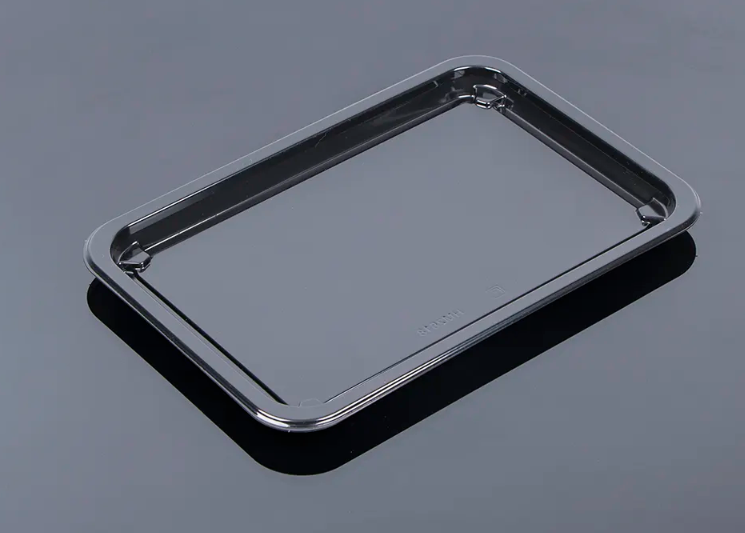
Understanding VSP Trays and Vacuum Skin Food Packaging VSP trays are the foundational component of vacuum skin food packaging a revolutionary packaging method that creates a tight seamless seal between the tray and a thin plastic film wrapping the fi...
VIEW MORE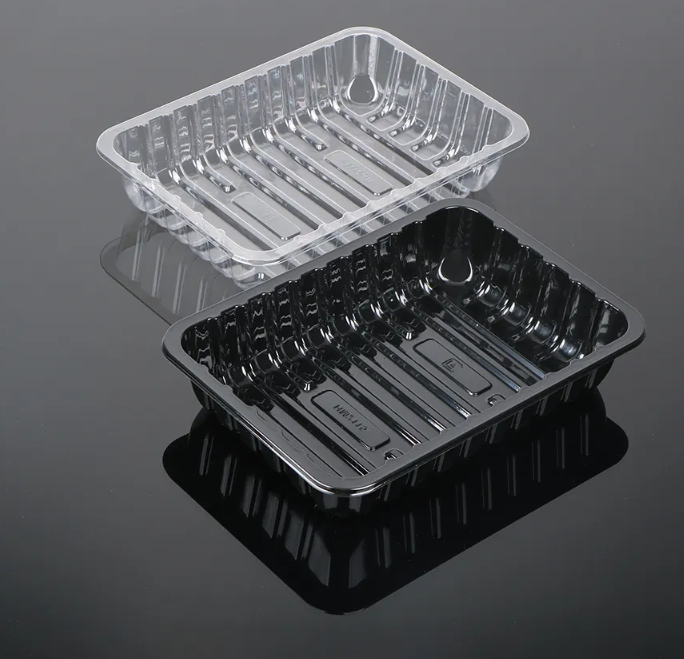
Understanding MAP Containers and Food Freshness Preservation MAP containers stand as a transformative innovation in food packaging, engineered to redefine the preservation of fresh food across every stage of the supply chain and extend the shelf life...
VIEW MORE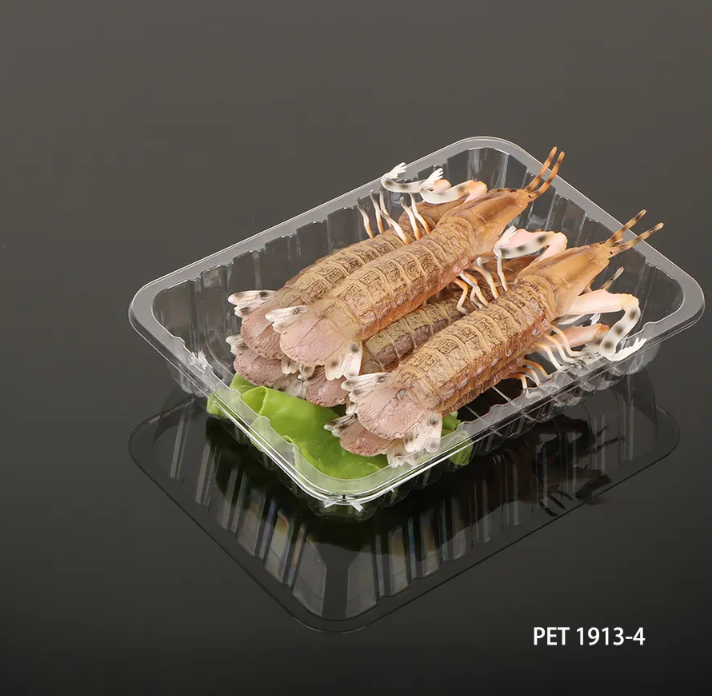
Understanding PET Tray Containers for Supermarket Food Presentation PET tray containers are a staple in supermarket food display and packaging, offering a perfect blend of clarity durability and food safety that makes them ideal for showcasing a wide...
VIEW MORE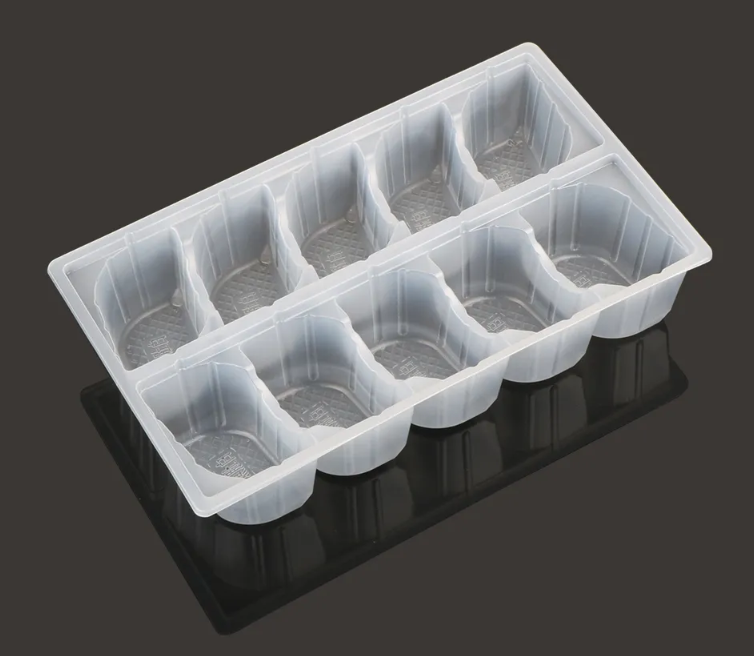
The Critical Role of Plastic Meat Trays in Meat Preservation Meat freshness is the cornerstone of success for every meat processor retailer and foodservice business. A slight compromise in freshness not only leads to product waste and financial loss ...
VIEW MORE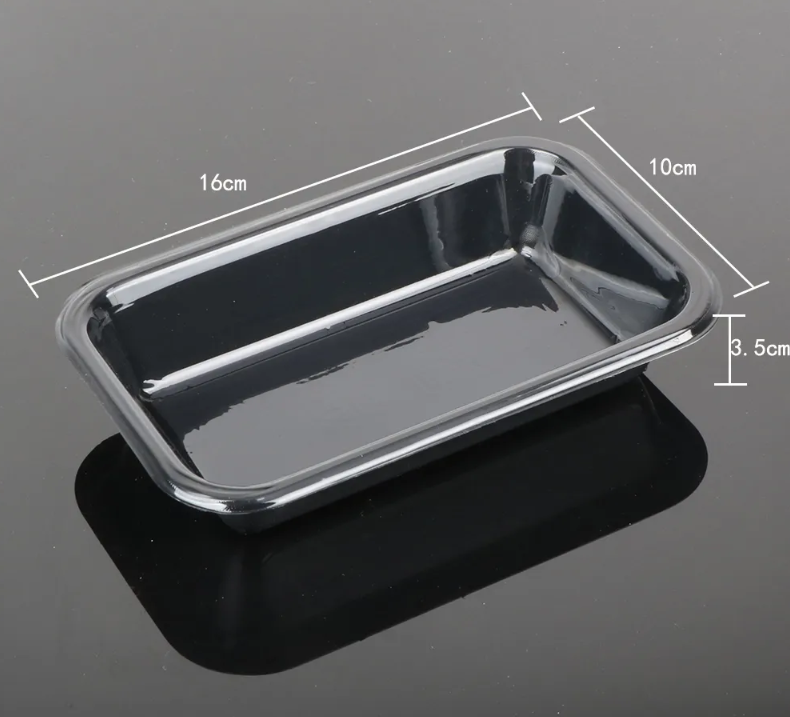
Understanding CPET Trays for High Temperature Food Packaging CPET trays stand as the gold standard for packaging high temperature foods, offering unmatched thermal stability and structural integrity that ordinary plastic trays simply cannot match. ...
VIEW MORE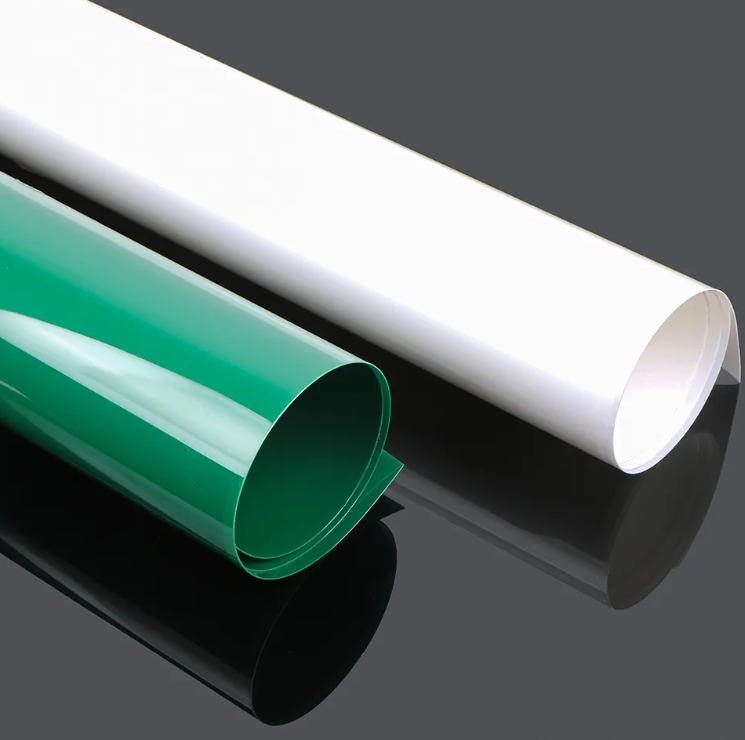
In the dynamic world of custom food packaging, the choice of raw material is the foundational decision that dictates the final product's quality, clarity, durability, and suitability. Pet sheet rolls serve as the essential starting point for creati...
VIEW MORE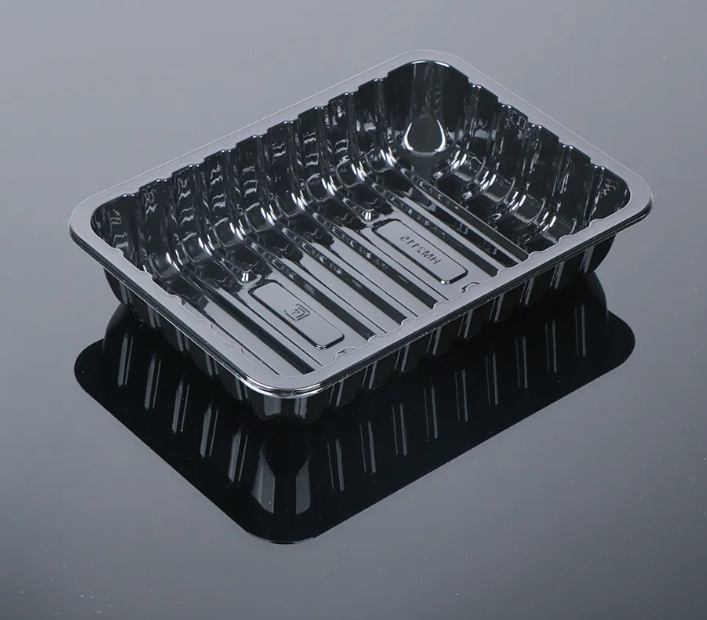
In the modern food industry, extending the shelf life of perishable products is a critical challenge directly impacting food safety, quality, waste reduction, and commercial success. Modified Atmosphere Packaging (MAP) has become a cornerstone tech...
VIEW MORE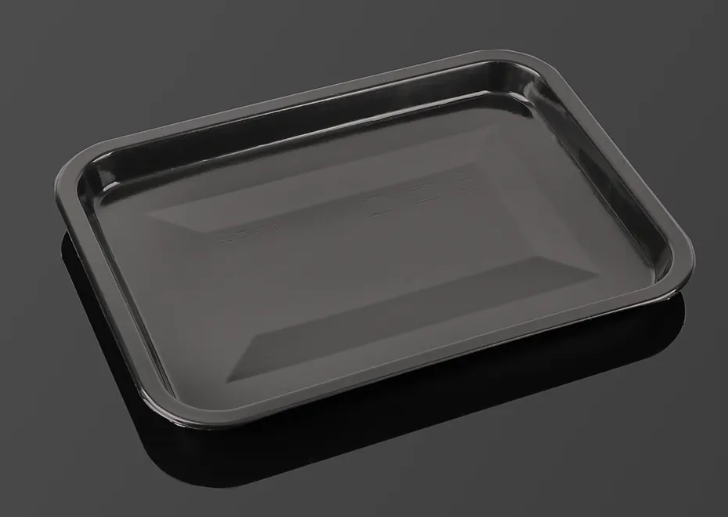
In the competitive world of food retail, maintaining product freshness from production to purchase is a paramount concern for brands and retailers alike. Consumers consistently seek out products that look fresh, are well protected, and offer extended...
VIEW MORE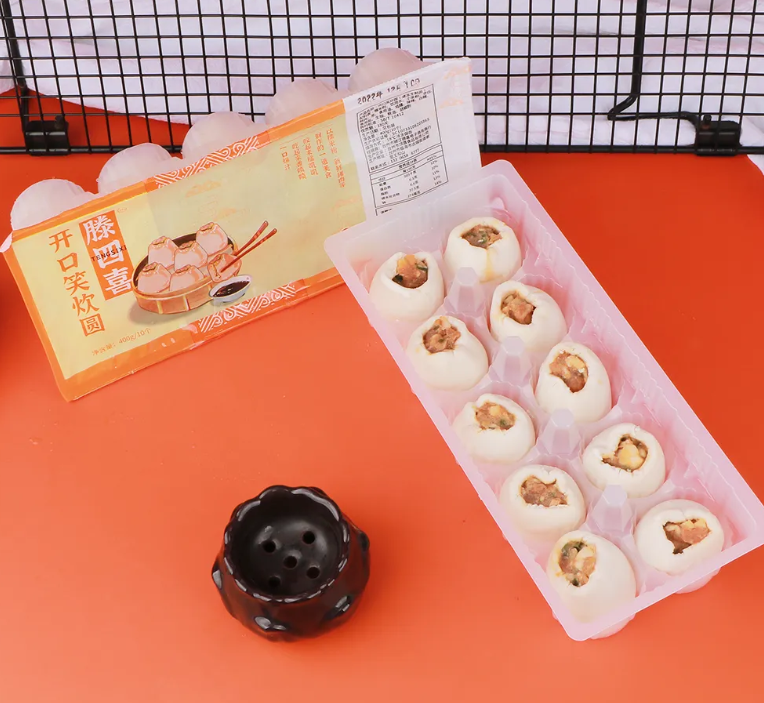
In the competitive landscape of supermarket retail, the presentation of fresh and packaged foods plays a pivotal role in driving sales and enhancing customer experience. A critical yet often underestimated component of this presentation is the humble...
VIEW MORE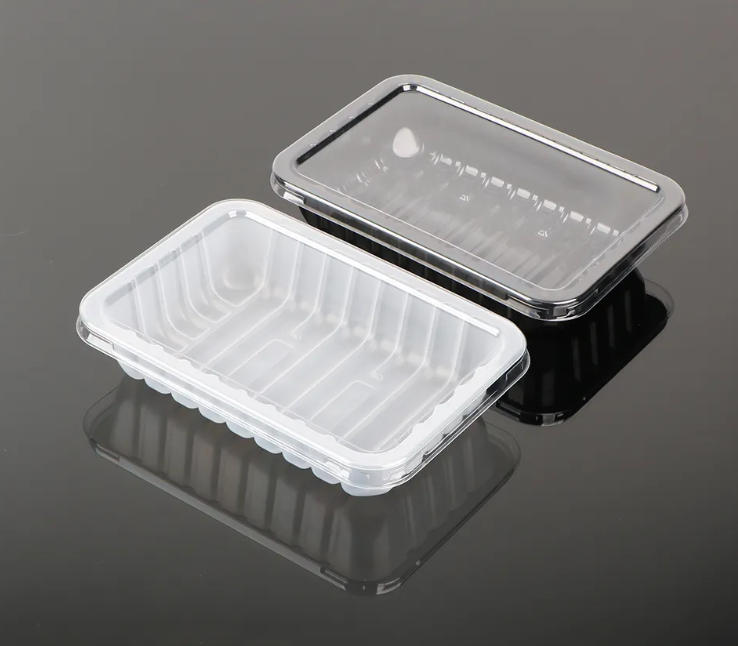
In an era where environmental responsibility is a paramount concern for consumers and corporations alike, the choice of packaging material has become a powerful statement of a brand’s values. Sustainable packaging is no longer a niche prefere...
VIEW MORE
Selecting the optimal packaging for fresh produce is a critical decision that directly impacts product shelf life, visual appeal, and overall market success. Among the various options available, PET clamshells have become a preferred choice for ...
VIEW MORE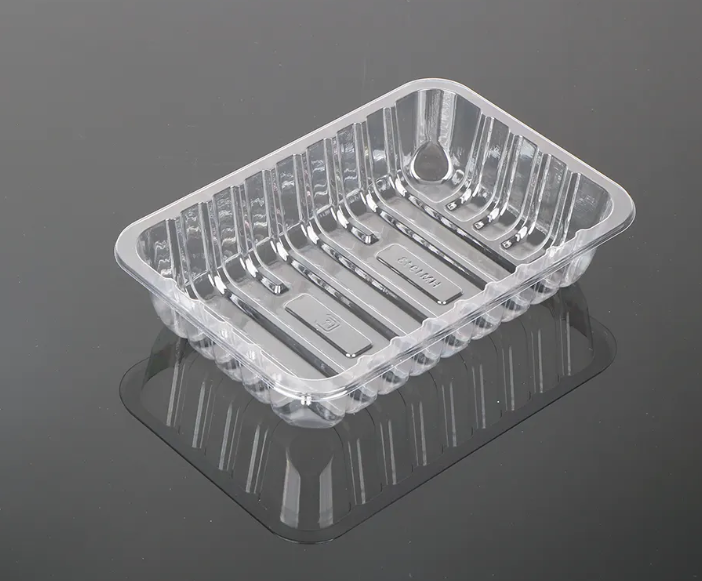
In the diverse world of food packaging and industrial containment, selecting the right solution is crucial for product integrity, safety, and market appeal. PET tray containers, made from polyethylene terephthalate, have emerged as a versatile...
VIEW MORE
Copyright © 2025 by Zhejiang Hengjiang Plastic Co., Ltd. - Privacy policy
 EN
EN