
MAP Trays for Modified Atmosphere Food Packaging | Extend Shelf Life

All Categories

MAP Tray: Extending Food Shelf Life with Modified Atmosphere Packaging

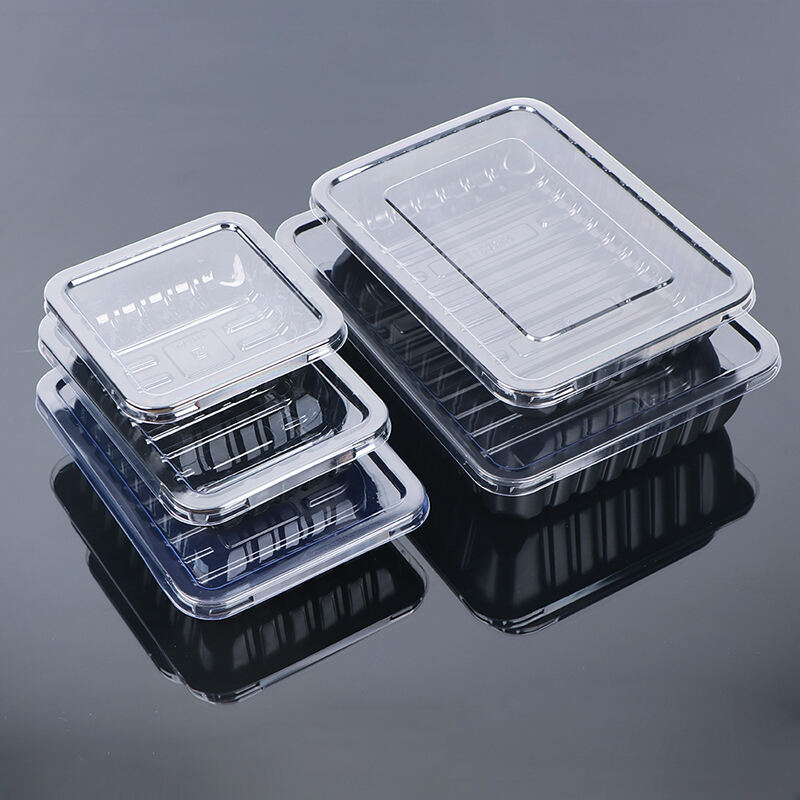
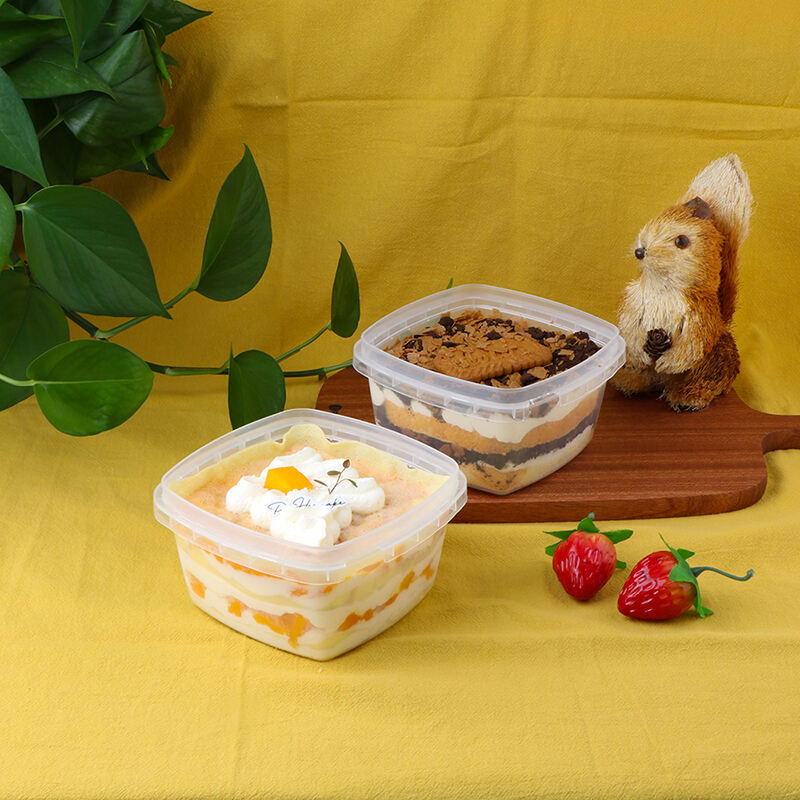
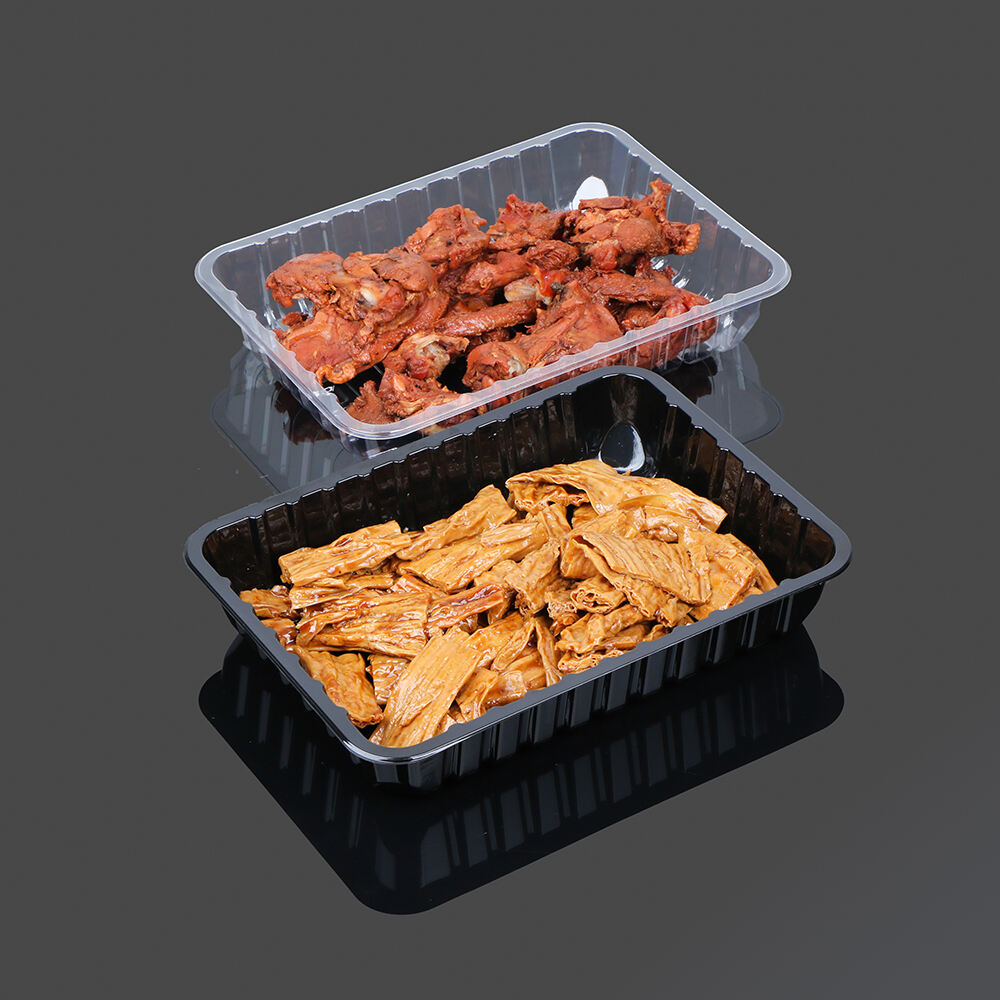
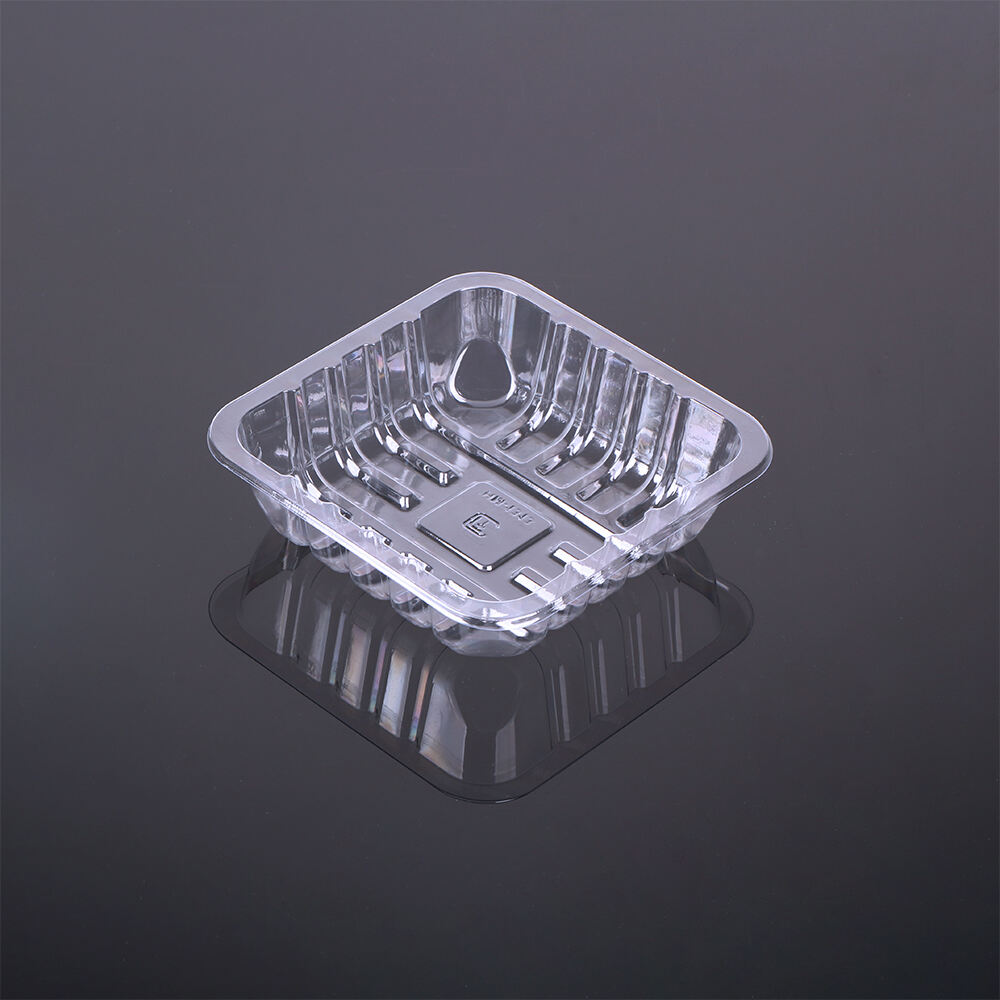
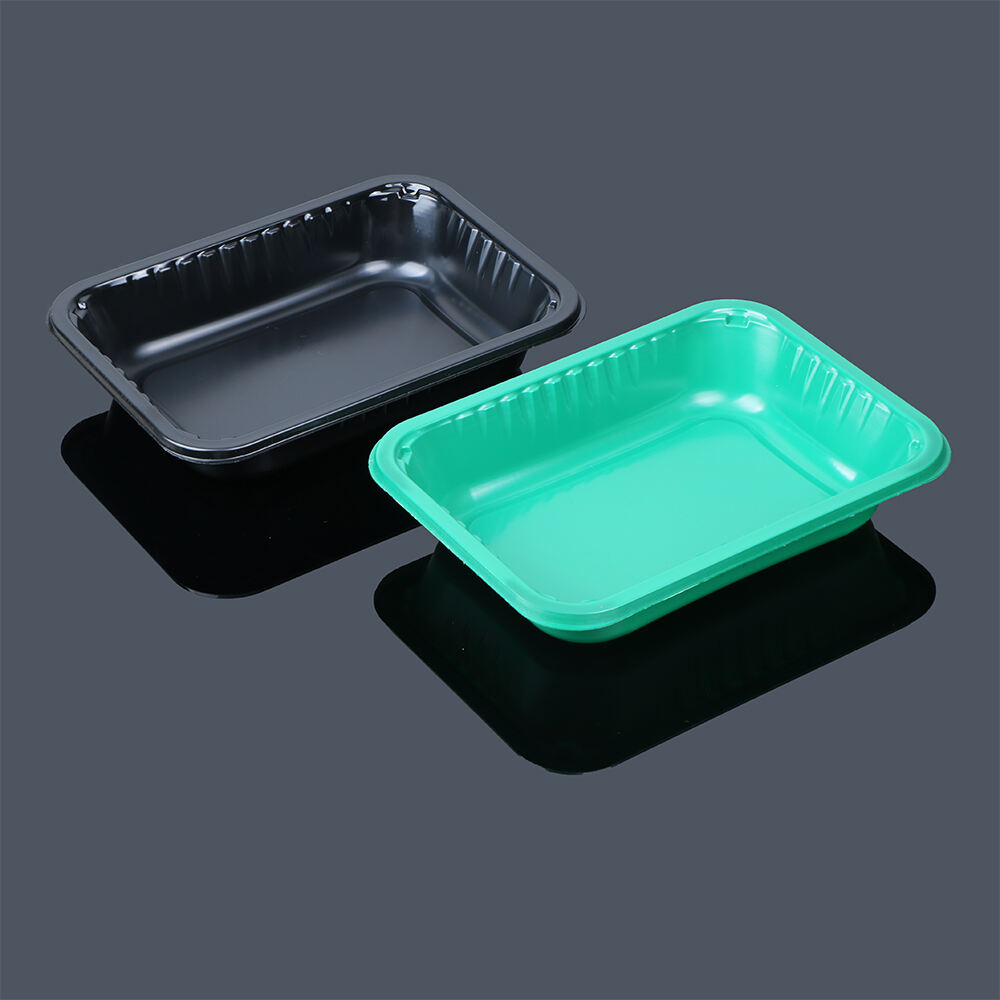
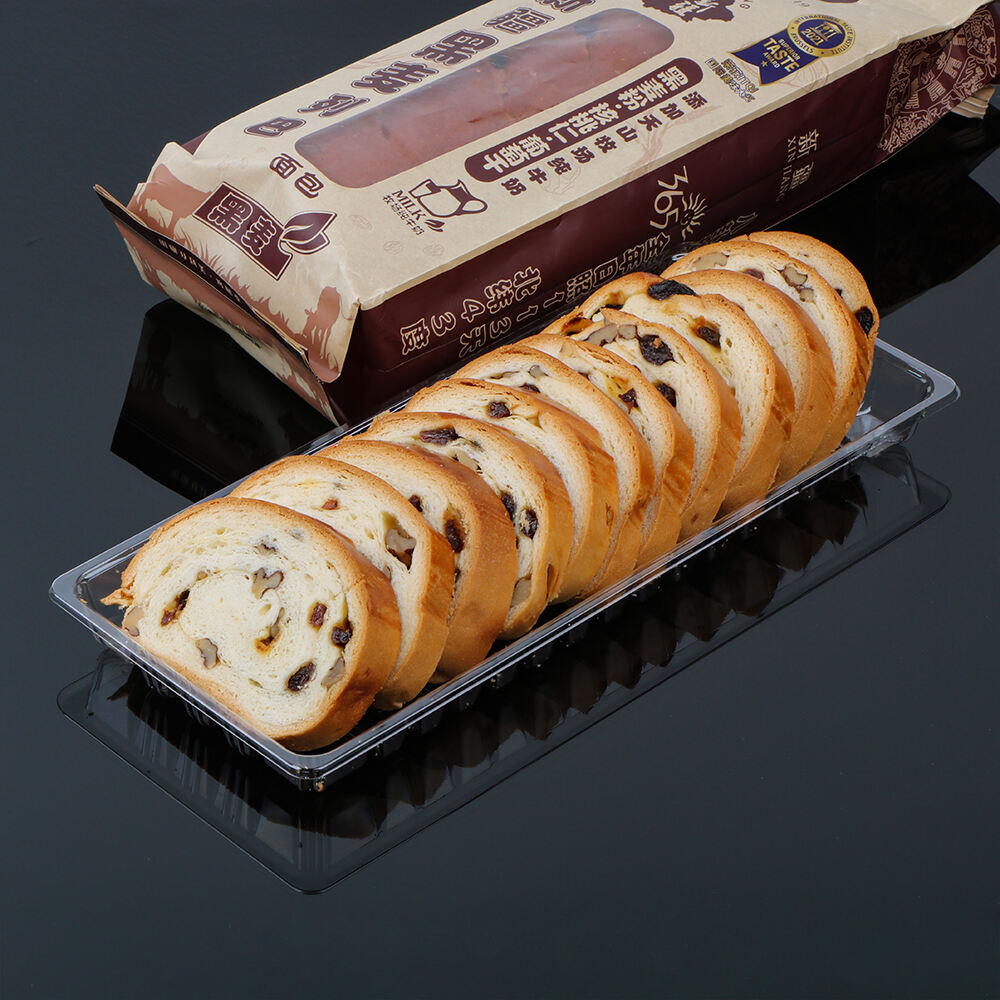
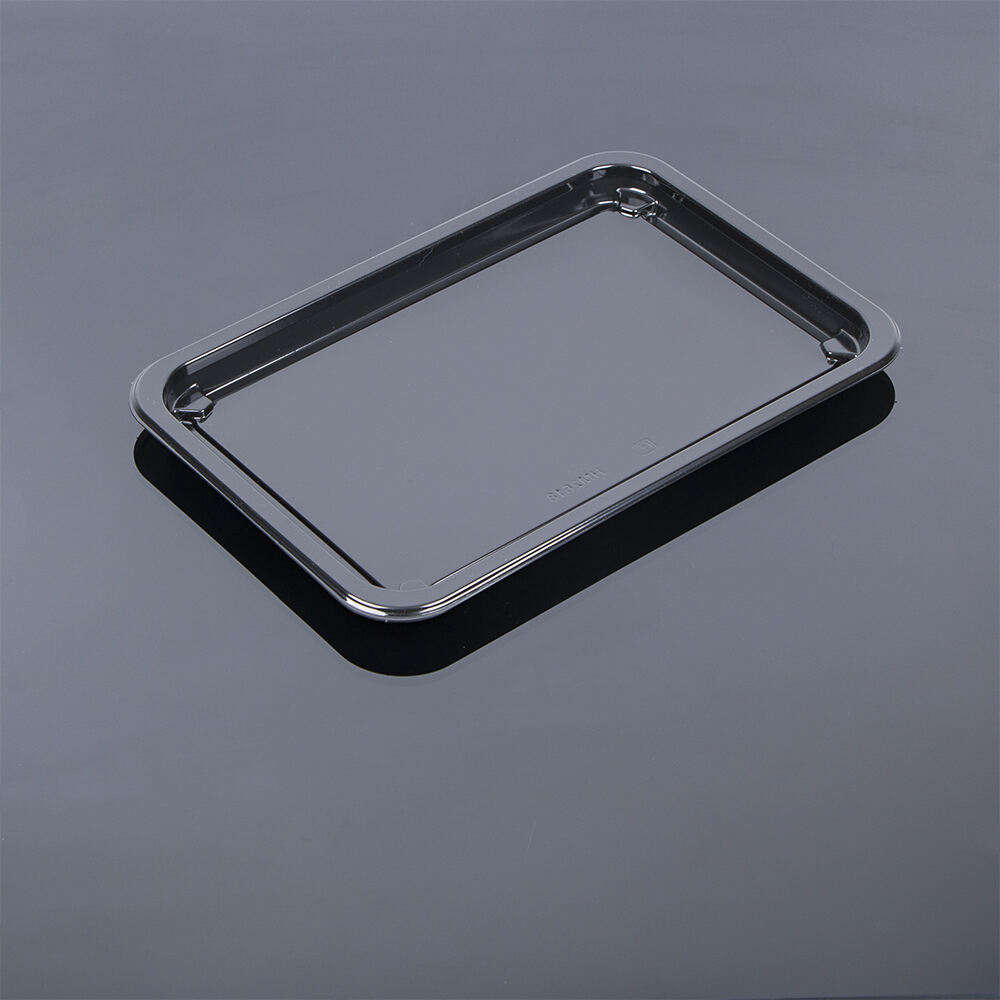
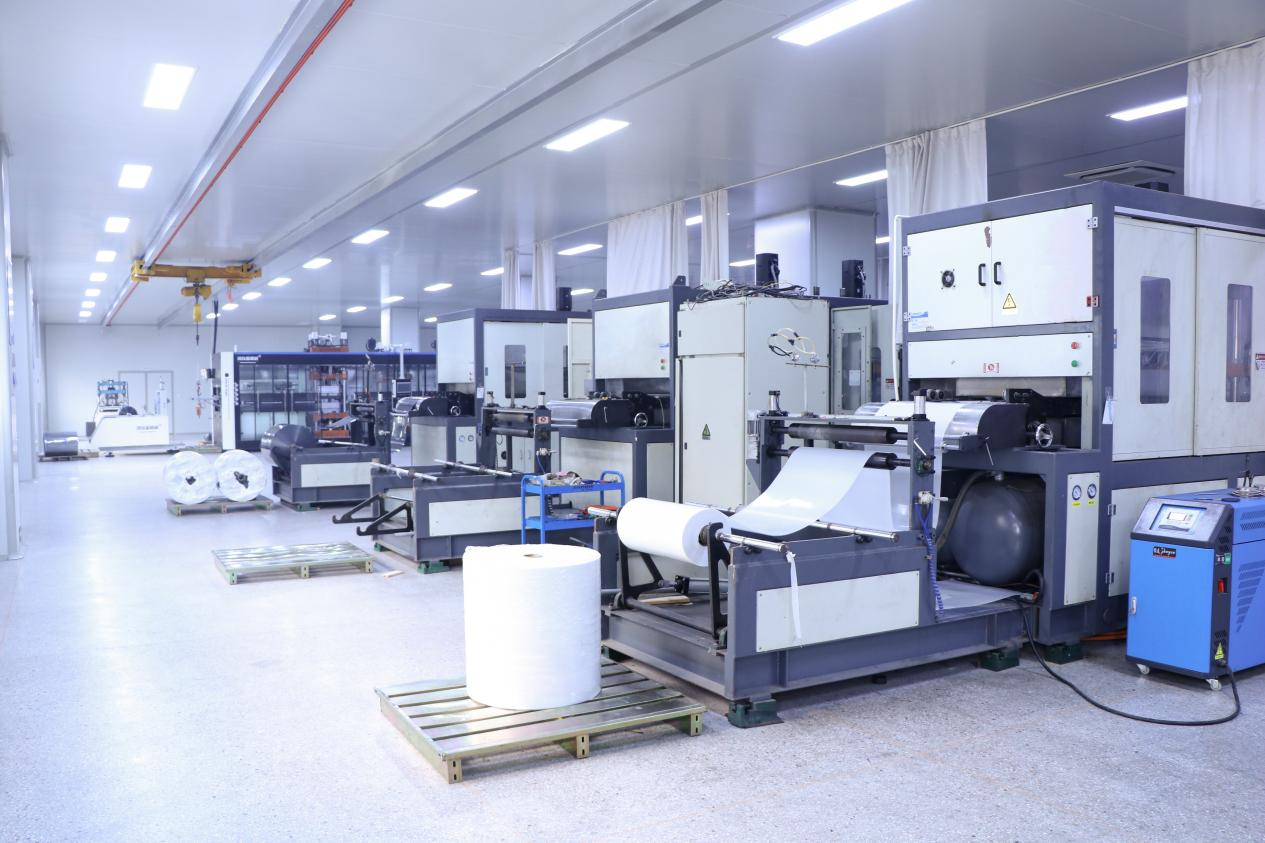
Our MAP trays are used for modified atmosphere packaging (Modified Atmosphere Packaging), which helps extend the shelf life of food. These trays are designed to work with MAP technology, allowing the adjustment of gas composition inside the packaging to slow down food spoilage. Produced in a clean production environment, they ensure the hygiene and safety of food. Suitable for packaging fresh meats, fruits, vegetables, and other perishable foods, MAP trays are an effective way to maintain food freshness and quality, reducing food waste.
Get A Quote

Advantages

Extending Food Shelf Life

The MAP tray can extend the shelf life of food through modified atmosphere packaging, reducing food waste.

Suitable for Various Perishables

It is suitable for various perishable foods, such as fresh meat, fruits, vegetables, etc.

Good Gas Barrier Property

It has good gas barrier property, maintaining the stability of the gas composition in the packaging.

Related products

MAP trays, or Modified Atmosphere Packaging trays, are specialized packaging components designed to work with MAP technology to extend the shelf life of perishable foods. These trays are engineered to hold food products while creating and maintaining a controlled gas environment—typically a mixture of carbon dioxide (CO₂), nitrogen (N₂), and oxygen (O₂)—that is tailored to the specific food type. The modified atmosphere slows down spoilage by inhibiting bacterial growth, reducing oxidation, and slowing respiration in fresh produce, thereby preserving the food's freshness, color, texture, and flavor. Constructed from high-barrier materials like PET (polyethylene terephthalate) or PP (polypropylene), MAP trays are rigid and durable, providing physical protection to the food during handling, transportation, and display. They are often sealed with a gas-impermeable film that locks in the modified atmosphere, while remaining transparent to allow consumers to view the product clearly. MAP trays come in various sizes and designs, including flat trays for meats, deep trays for liquid-containing foods, and compartmentalized trays for mixed items. Many are compatible with automated packaging lines, making them suitable for high-volume production. They are also designed to withstand refrigerated or frozen storage, as cold temperatures enhance the effectiveness of the modified atmosphere. Manufactured from food-grade materials, MAP trays comply with strict safety standards, ensuring safe contact with food. By extending shelf life, MAP trays reduce food waste, improve inventory management, and provide consumers with longer-lasting, high-quality products.

Frequently Asked Questions

What gases are used in modified atmosphere packaging with map trays?

Common gases include nitrogen (to prevent oxidation), carbon dioxide (to inhibit microbial growth), and sometimes oxygen (for fresh produce). The mixture varies by food type to optimize freshness.
It varies by food: fresh meats last 5-10 days (vs. 1-2 days without), fruits/vegetables 7-14 days (vs. 3-5 days). The gas mixture slows spoilage, making it ideal for retail and distribution.
No, they work best for perishables like meats, seafood, and fresh produce. Dry foods or those with high oil content may not benefit significantly, as their spoilage mechanisms differ.
No, once opened, the modified atmosphere is lost, and reusing them won’t restore the freshness-preserving effect. They are intended for single-use to maintain optimal packaging performance.
They are sealed with a flexible film using heat sealing. This creates an airtight barrier that locks in the modified gas mixture, preventing external air from entering and preserving the desired atmosphere.

Related Articles

How to Choose the Right Plastic Packaging Material

20

Jun

How to Choose the Right Plastic Packaging Material

Picking the best plastic packaging can make your product safer, greener, and more appealing on store shelves. Because many kinds of plastic exist, knowing what each one can do-or cant-do helps you craft an smarter packing plan. This post walks you t...
View More
Plastic Packaging for Food Safety and Preservation

20

Jun

Plastic Packaging for Food Safety and Preservation

Life speeds along these days, so keeping food safe, fresh, and tasty matters more than ever for shoppers and brands. Plastic wrap, bags, and sturdy containers seal in quality, fight spoilage, and block germs while food sits in a fridge or rides on...
View More
Plastic Packaging in the E-commerce Industry

20

Jun

Plastic Packaging in the E-commerce Industry

Online shopping is growing fast, and plastic packaging sits at the heart of that boom. Strong, flexible, and often cheaper than other options, plastic keeps goods safe, cuts transport weight, and makes the opening moment feel special. In the paragra...
View More
Innovative Design Trends in Plastic Packaging

20

Jun

Innovative Design Trends in Plastic Packaging

In the past few years, the world of plastic packaging has changed a lot thanks to new technology and a stronger push for greener choices. This post looks at some of the fresh design ideas in plastic packaging and shows how they are meeting the chang...
View More

Customer Reviews

Teresa Jackson
Maintains food color and texture

Vegetables stay green and crisp in these MAP trays, and meats look fresh instead of turning brown. Customers are more likely to buy products that look fresh.

Evelyn Harris
Cost-effective for fresh products

The longer shelf life means we sell more and waste less, which makes these MAP trays cost-effective. The investment pays off in reduced losses.

Get a Free Quote

Our representative will contact you soon.
Email
Name
Mobile/WhatsApp
Company Name
Message
0/1000
Safe and Hygienic

Safe and Hygienic

Produced in a clean environment, it is safe and hygienic, meeting food packaging standards.
Newsletter
Please Leave A Message With Us