
MAP Meal Trays: Extend Shelf Life with Modified Atmosphere Packaging

All Categories

MAP Tray: Extending Food Shelf Life with Modified Atmosphere Packaging

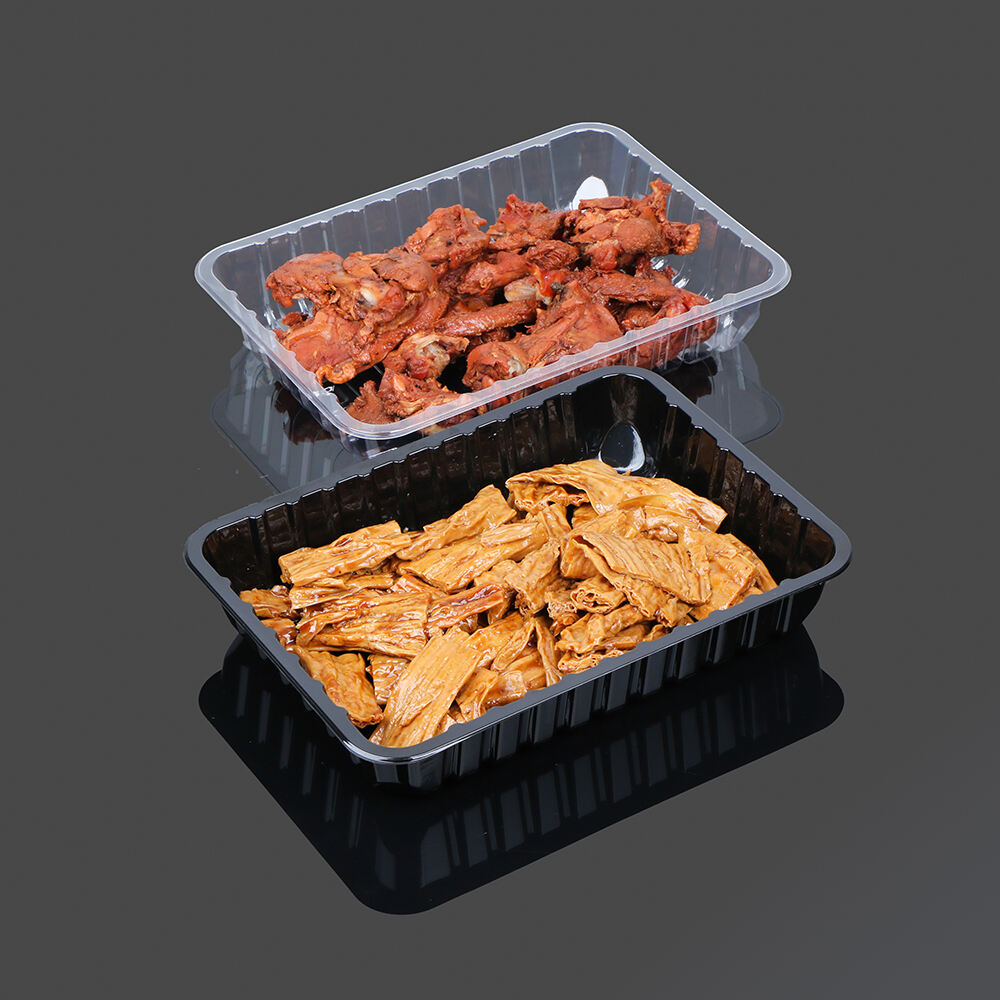
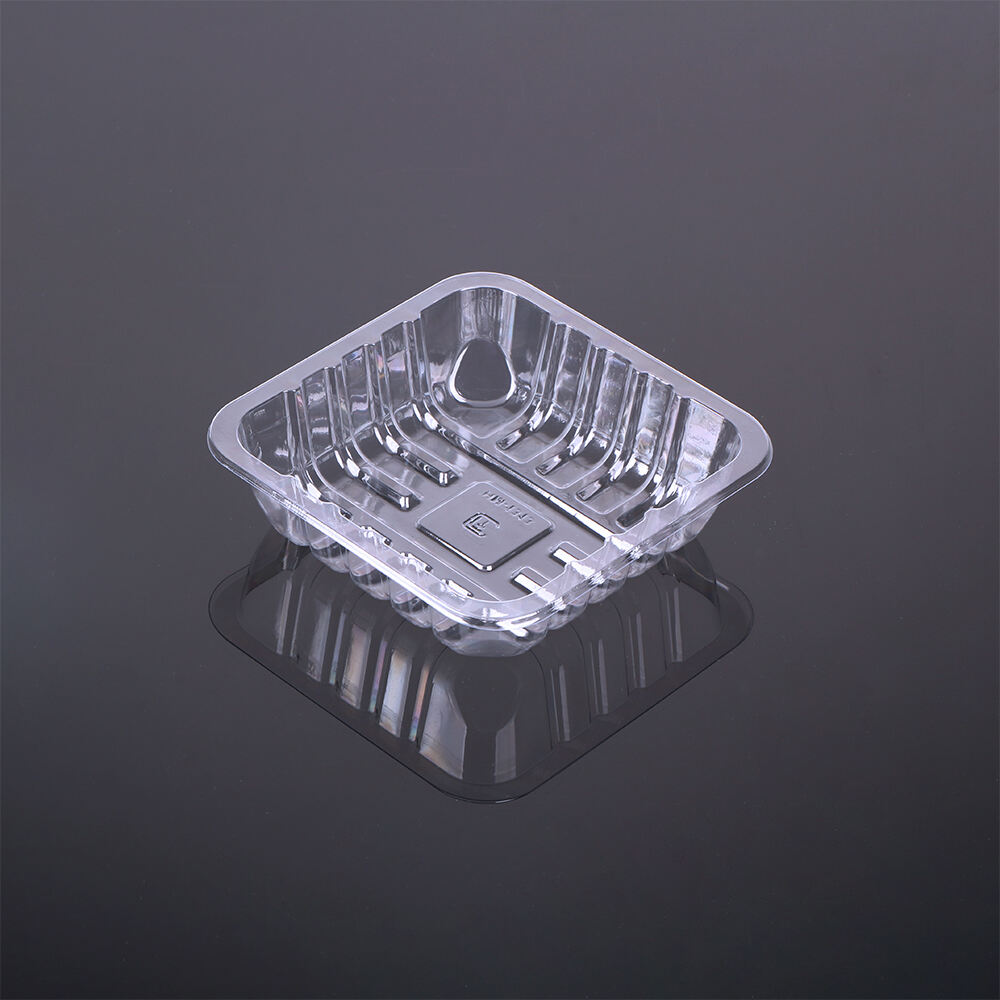
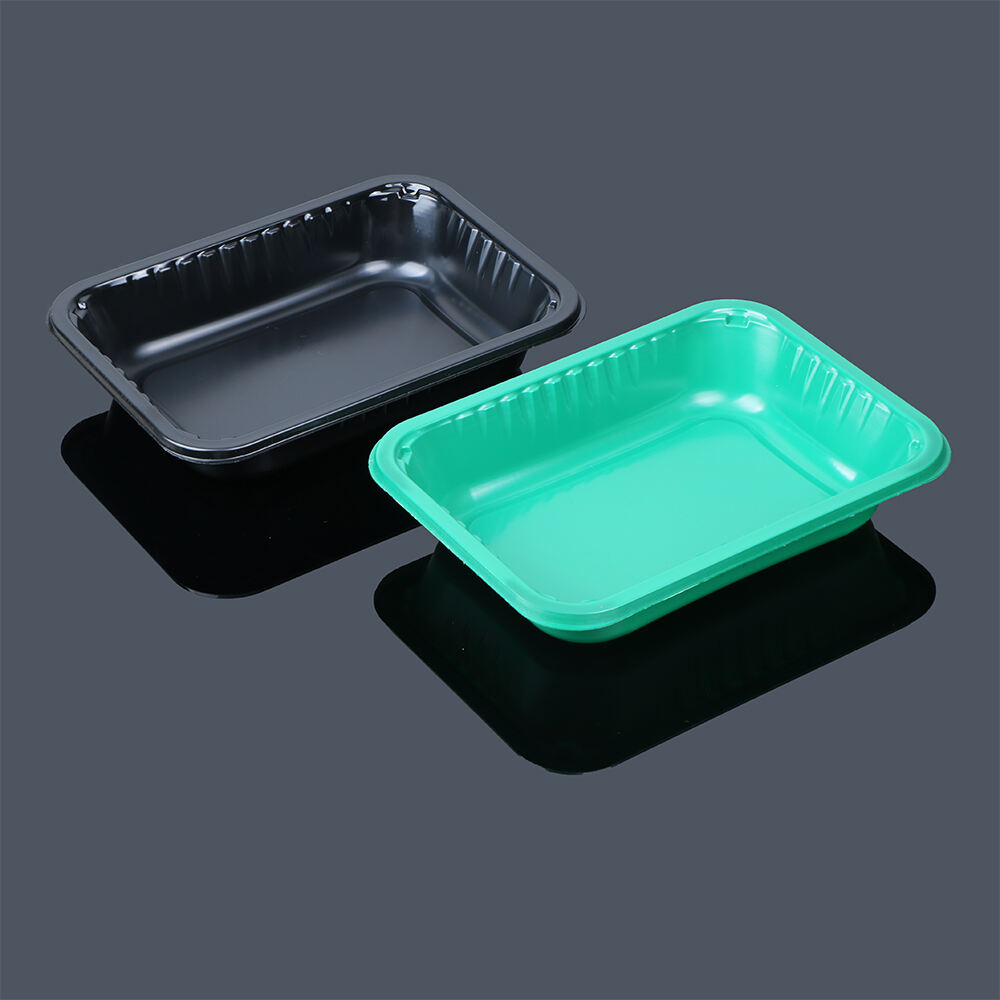
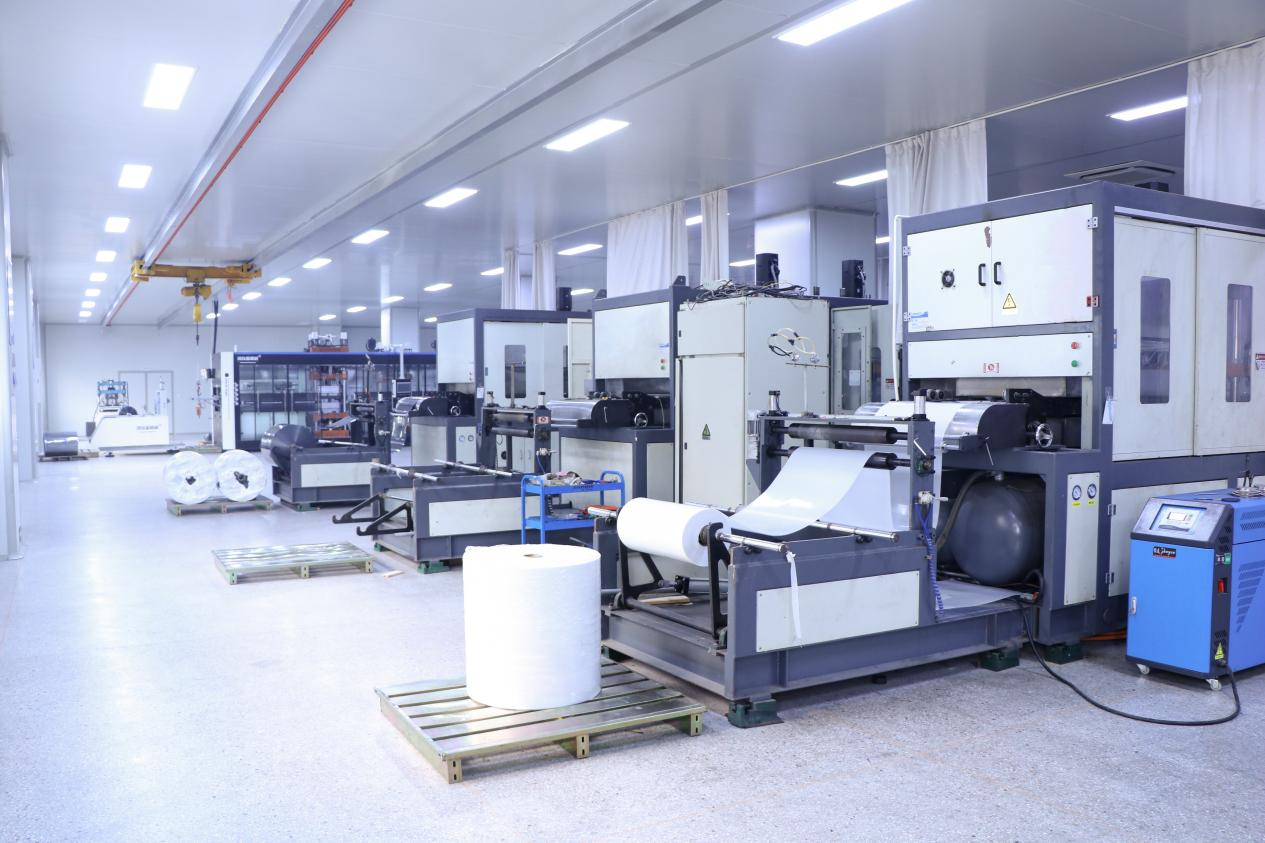
Our MAP trays are used for modified atmosphere packaging (Modified Atmosphere Packaging), which helps extend the shelf life of food. These trays are designed to work with MAP technology, allowing the adjustment of gas composition inside the packaging to slow down food spoilage. Produced in a clean production environment, they ensure the hygiene and safety of food. Suitable for packaging fresh meats, fruits, vegetables, and other perishable foods, MAP trays are an effective way to maintain food freshness and quality, reducing food waste.
Get A Quote

Advantages

Extending Food Shelf Life

The MAP tray can extend the shelf life of food through modified atmosphere packaging, reducing food waste.

Maintaining Food Freshness

It maintains the freshness, color, and taste of food, ensuring that the food is in good condition when sold.

Good Gas Barrier Property

It has good gas barrier property, maintaining the stability of the gas composition in the packaging.

Related products

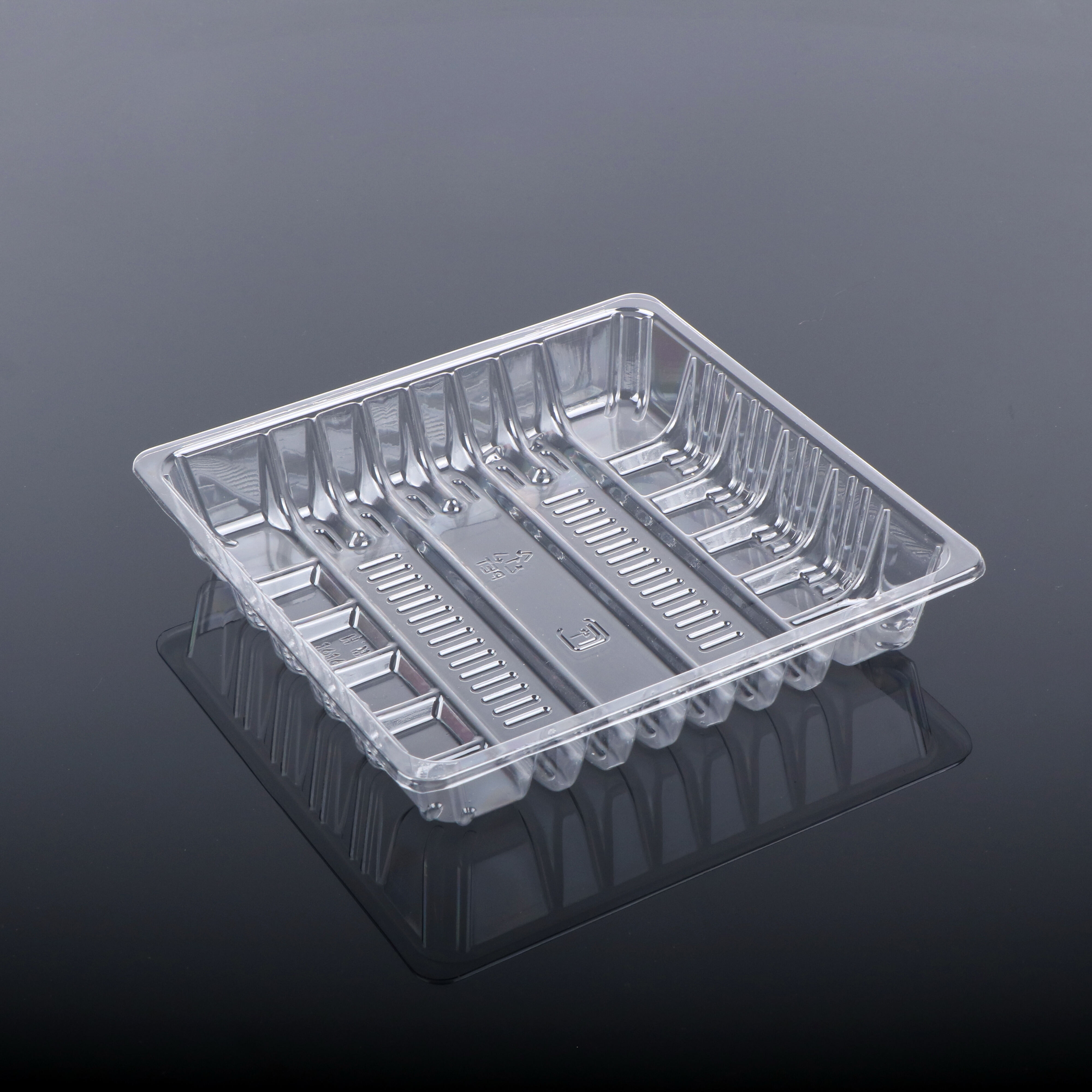
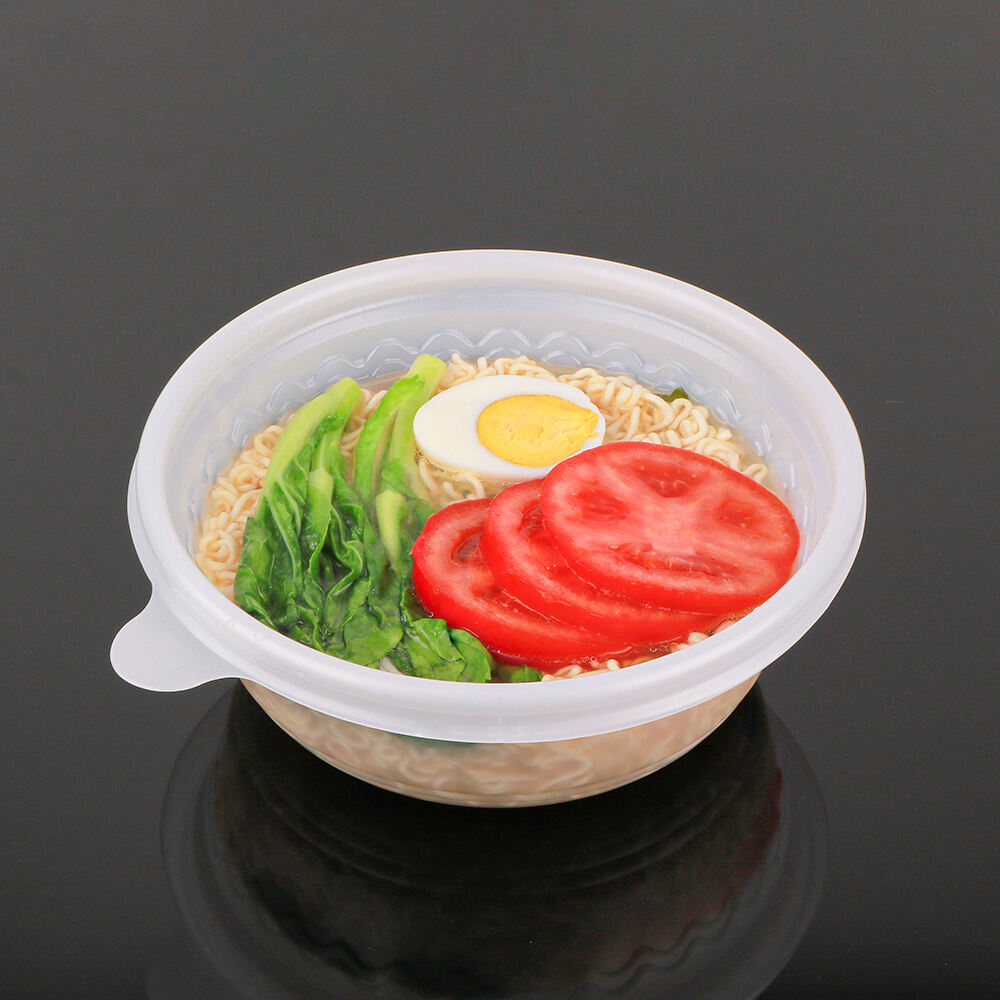
MAP meal trays are specialized packaging solutions that combine Modified Atmosphere Packaging (MAP) technology with a tray design to preserve the freshness and quality of prepared meals. These trays are designed to hold complete meals, including main dishes, sides, and sometimes desserts, in a single container while maintaining an optimal gas environment that slows down spoilage. The modified atmosphere within the tray is typically a blend of carbon dioxide (CO₂) to inhibit bacterial growth, nitrogen (N₂) to prevent oxidation and maintain tray shape, and a small amount of oxygen (O₂) to preserve the color and texture of certain ingredients, such as cooked meats or vegetables. Constructed from high-barrier plastics like PET (polyethylene terephthalate) or PP (polypropylene), MAP meal trays are rigid enough to hold the meal components securely without mixing, while their airtight seals—achieved through heat-sealed films or snap-on lids—maintain the integrity of the modified atmosphere. The trays often feature compartmentalized designs to separate different parts of the meal, preventing sogginess and preserving the texture of each component, such as keeping sauces separate from grains or vegetables. They are transparent, allowing consumers to view the entire meal, enhancing appeal, and many are microwave-safe, enabling convenient heating without transferring the food to another container. MAP meal trays come in various sizes to accommodate individual portions or family-sized meals, making them suitable for retail, catering, or food service. Manufactured in hygienic conditions, they comply with food safety standards to ensure safety for direct contact with food. By extending the shelf life of prepared meals, MAP meal trays reduce food waste, improve convenience for consumers, and allow retailers to offer a wider range of pre-packaged meal options with longer expiration dates.

Frequently Asked Questions

What gases are used in modified atmosphere packaging with map trays?

Common gases include nitrogen (to prevent oxidation), carbon dioxide (to inhibit microbial growth), and sometimes oxygen (for fresh produce). The mixture varies by food type to optimize freshness.
It varies by food: fresh meats last 5-10 days (vs. 1-2 days without), fruits/vegetables 7-14 days (vs. 3-5 days). The gas mixture slows spoilage, making it ideal for retail and distribution.
No, they work best for perishables like meats, seafood, and fresh produce. Dry foods or those with high oil content may not benefit significantly, as their spoilage mechanisms differ.
No, once opened, the modified atmosphere is lost, and reusing them won’t restore the freshness-preserving effect. They are intended for single-use to maintain optimal packaging performance.
They are sealed with a flexible film using heat sealing. This creates an airtight barrier that locks in the modified gas mixture, preventing external air from entering and preserving the desired atmosphere.

Related Articles

How to Choose the Right Plastic Packaging Material

20

Jun

How to Choose the Right Plastic Packaging Material

Picking the best plastic packaging can make your product safer, greener, and more appealing on store shelves. Because many kinds of plastic exist, knowing what each one can do-or cant-do helps you craft an smarter packing plan. This post walks you t...
View More
Plastic Packaging for Food Safety and Preservation

20

Jun

Plastic Packaging for Food Safety and Preservation

Life speeds along these days, so keeping food safe, fresh, and tasty matters more than ever for shoppers and brands. Plastic wrap, bags, and sturdy containers seal in quality, fight spoilage, and block germs while food sits in a fridge or rides on...
View More
Innovative Design Trends in Plastic Packaging

20

Jun

Innovative Design Trends in Plastic Packaging

In the past few years, the world of plastic packaging has changed a lot thanks to new technology and a stronger push for greener choices. This post looks at some of the fresh design ideas in plastic packaging and shows how they are meeting the chang...
View More
How to Choose the Right Plastic Packaging Material

20

Jun

How to Choose the Right Plastic Packaging Material

View More

Customer Reviews

Teresa Jackson
Maintains food color and texture

Vegetables stay green and crisp in these MAP trays, and meats look fresh instead of turning brown. Customers are more likely to buy products that look fresh.

Gerald White
Compatible with our packaging line

These MAP trays work seamlessly with our packaging machines. They seal quickly and evenly, which keeps our production line running smoothly.

Get a Free Quote

Our representative will contact you soon.
Email
Name
Mobile/WhatsApp
Company Name
Message
0/1000
Safe and Hygienic

Safe and Hygienic

Produced in a clean environment, it is safe and hygienic, meeting food packaging standards.
Newsletter
Please Leave A Message With Us